
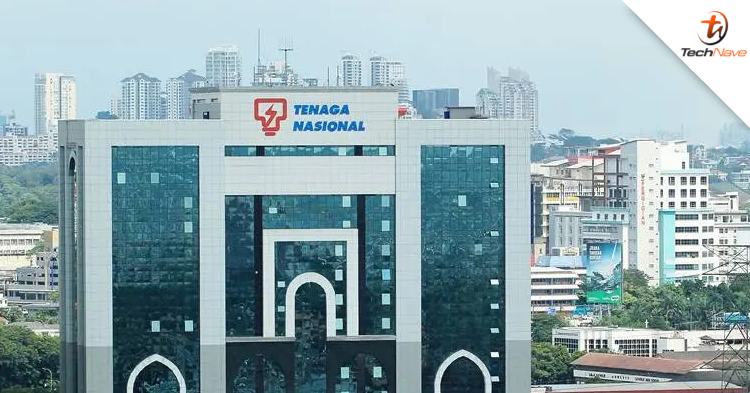
Image from The Edge Malaysia
The government could build a national-scale power supply system that uses electricity from sustainable sources, particularly solar. This is not surprising because Malaysia gets a high rate of sunlight every day. So, what should you know about it?
Alternative energy could be the future
For your information, the government plans to build a large-scale battery grid project that is capable of storing electricity generated through solar power generation, which will then be distributed to the national electricity grid for use in various sectors.
Hence, the MyBeST program was established mid-year to make the plan a reality. Under the program, four large-scale solar battery grids will be developed, each capable of generating and storing 100- 400MW of sustainable electricity and then being tapped when electricity demand is higher.
Reportedly, around 20 energy companies are bidding for it. Big names in the energy industry, such as Tenaga Nasional, YTL Power, Malakoff, Gamuda Bhd, and Petronas Gas, are reported to have bid for the project.
The bid also includes Gentari, a Petronas subsidiary focused on developing electric charging technology, and other small energy companies, such as BM Greentech and MSR Green Energy, have also reportedly submitted their bids.
Details of the solar battery grid have also been revealed. The company that will be awarded the tender to develop the project will be announced in October 2025 and will be responsible for ensuring that the battery grid system is operational by April 30, 2027.
What’s next for the bid winner?
Apart from that, these grids will also need to operate for 15 years after they are activated, and must be able to hold an electrical charge of 300MW or 75 per cent of the total capacity of this grid at the end of the 15 years.
Not only that, MyBeST says that the battery cells used for this grid must pass the BloombergNEF Tier 1 standard.
This standard is commonly used by investors and banks to assess the effectiveness and profitability of such energy supply projects as well as the company's ability to repay any loans taken.
Malaysia has a plan to ensure that 31 per cent of the national electricity supply is from sustainable energy by 2025, and this will be increased to 40 per cent by 2035. Hopefully, everything will go smoothly.
Did this news catch your attention? Stay tuned for more news like this at TechNave!



COMMENTS