
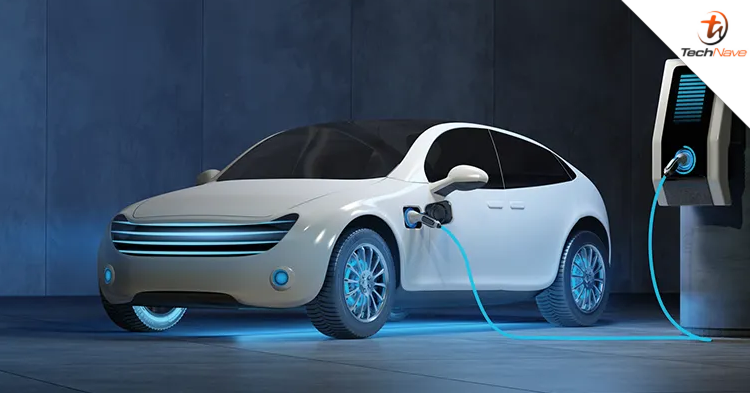
Electric vehicles (EVs) may be seen as the transportation of the future as well as one of the solutions to reduce carbon emissions. But at the same time, it raises questions about maintenance for its users, especially the impact of direct current (DC) fast charging on battery life. That said, what should you know about it?
Although it was initially believed that frequent fast charging could damage battery capacity, recent research has found that EV models with advanced battery management systems may not be as affected as previously thought. A recent study by Recurrent via Euronews, which analysed data from over 13,000 EVs to assess the impact of frequent fast charging, showed that there was no significant difference in battery range loss between Tesla EVs that frequently used fast charging and Tesla EVs that rarely did so.
In addition, the findings are based on data from over 160,000 real-world charging sessions focused on 2018 and above EV models. Commenting on their findings, Recurrent said that modern battery management systems (BMS) and thermal management systems (TMS) ensure that batteries remain in a safe state, preventing overheating and limiting risks such as "thermal runaway" (when a battery self-destructs due to uncontrolled thermal conditions, leading to potential danger.)
Mlreover, batteries such as Lithium Iron Phosphate (LFP) are more resistant to rapid charging than Nickel Manganese Cobalt ( NMC). However, all lithium-ion batteries will still experience a gradual loss of range. Factors such as charging in extreme temperatures, a nearly empty or full battery, and charging to 100% frequently can still accelerate shortening battery life.
On the other hand, charging to 80% and pre-conditioning the battery helps extend its lifespan. Advances such as ultra-fast chargers and new battery technologies, including solid-state batteries, are making EV charging faster, safer, and more efficient. Future EVs are expected to be more durable with smart charging infrastructure that will offer a better experience to users.
What are your thoughts on this news? Comment down below and stay tuned for more news like this at TechNave!






COMMENTS