
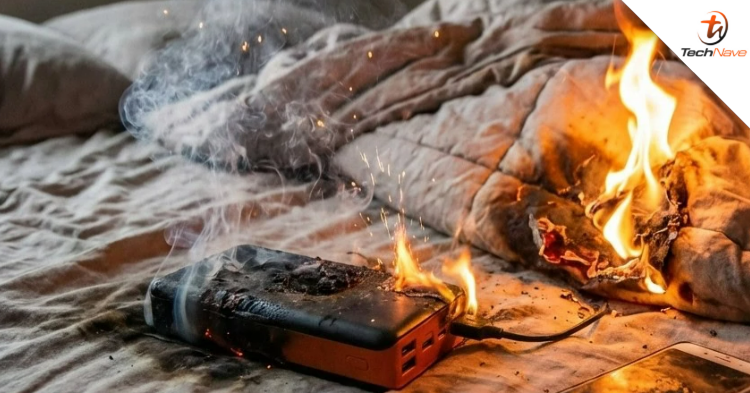
A portable charger explosion in Los Angeles earlier this month left a woman with chemical burns and significant property damage. The incident, reported on 21 February 2026, has renewed attention on the risks linked to lithium-ion battery products that many of us use daily.
According to a report by Android Headlines, the incident involved sports reporter Ashley Nevel, whose power bank exploded while it was charging on her bed. The blast set her bedding on fire and caused burns to her arm and hair. Her smartphone, which was connected to the charger at the time, was also damaged and became unusable during the emergency.
Nevel reportedly had to call for help from her balcony after the explosion disabled her phone. Emergency responders arrived shortly after. She later shared that a fire blanket helped prevent the flames from spreading further inside her home.
Why lithium-ion batteries can be dangerous
Lithium-ion batteries are widely used in smartphones, laptops, tablets, and portable chargers. While generally safe, they can become unstable under certain conditions,s such as overheating, physical damage, or internal manufacturing defects.
Charging a device on soft surfaces like beds or sofas can trap heat. When heat cannot dissipate properly, the battery may enter a chain reaction known as thermal runaway. This can lead to fire or even an explosion. In enclosed spaces with flammable materials nearby, the risk increases significantly.
Fire safety experts often advise users to place chargers and electronic devices on hard, flat, well-ventilated surfaces while charging. Avoid covering them with blankets, pillows, or clothing. It is also recommended not to leavebattery-poweredd devices charging unattended for long periods, especially overnight.
A reminder for everyday tech users
Incidents like this serve as a reminder that even small accessories such as power banks should be handled with care. While portable chargers offer convenience, they also store significant amounts of energy in compact spaces.
For readers in Malaysia and elsewhere, this is a good time to review your charging setup at home. Check for any signs of battery swelling, overheating, or damage. Use certified cables and adapters, and replace older power banks if they show unusual behaviour. Take a moment to assess your charging habits today. Are you placing your devices on safe surfaces and monitoring them properly?
Stay tuned to TechNave.com for more updates like this.



COMMENTS