
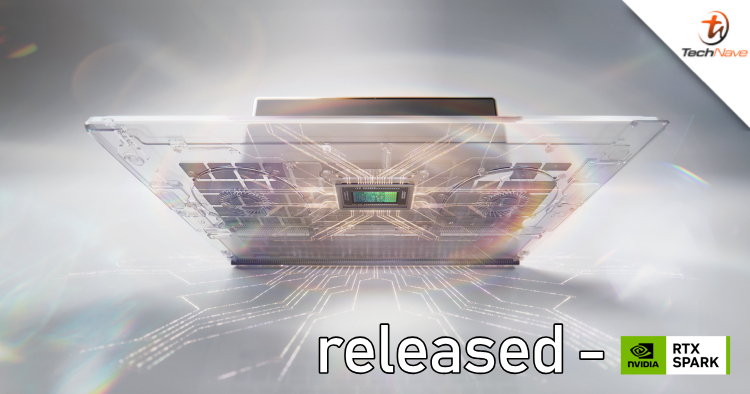
NVIDIA and Microsoft have officially announced the NVIDIA RTX Spark which combines NVIDIA’s latest GPUs into a single ARM-based chipset for a Windows 11 system. It’s basically taking what Qualcomm and Apple are doing with their ARM chipsets and taking it to another level. Unfortunately, it probably won’t be cheap with estimates going for tens of thousands of ringgit.
Who is it for? What about ARM - Windows compatibility?
Aimed at AI developers, creators, and enthusiasts or gamers the hardware is set to come out from various brands in Q3 of 2026. While ARM chipsets have previously had trouble with Windows app compatibility, NVIDIA claims that they are working closely with Microsoft, Adobe and so forth to “guarantee” that all apps will run, including games. We’ll believe it when we see it for ourselves though.
NVIDIA RTX Spark Tech Specs and features?
Here are some of the more technical tech specs and features for the NVIDIA RTX Spark:
- Uses a custom Arm-based 20-core NVIDIA Grace CPU developed in collaboration with MediaTek
- NVIDIA Blackwell RTX GPU featuring 6144 CUDA cores and fifth-generation Tensor Cores with FP4 precision
- NVIDIA NVLink-C2C chip-to-chip high-speed interconnect
- Up to 1 petaflop of FP4 AI processing power
- Up to 128GB of LPDDR5X unified memory shared between the CPU and GPU
- Can run local large language models up to 120-billion parameters and process context windows reaching up to 1 million tokens
- Supports 1440p resolution at over 100 frames per second with ray tracing and DLSS 4.5 Ray Reconstruction
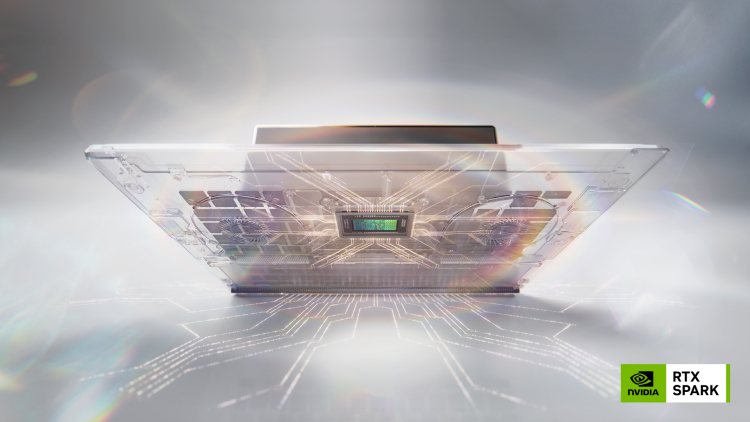
The first wave of slim RTX Spark laptops and compact desktop computers will include ASUS, Dell, HP, Lenovo, Microsoft Surface, and MSI. Official release dates for these premium devices are set for Q3 2026 as mentioned, while additional models from Acer and GIGABYTE will follow after.
Personally, we don’t have the money to even worry about any RTX Spark system just yet but what do you think? NVIDIA have not said what this means for their existing GPUs or their work with Intel or AMD yet, so we’re guessing that this is just something for the future… for now. Share your thoughts in the comments and stay tuned to TechNave.com for more updates.


COMMENTS