
AI was exciting at first. It could write posts, generate images, summarise news, and help with everyday tasks. However, many people now feel something different: exhaustion. The internet is packed and even overfilled with AI-made content. However, a lot of it feels empty. This is what many now call "AI fatigue".
If you feel that scrolling feels more tiring than fun lately, this might be why.
What is AI slop?
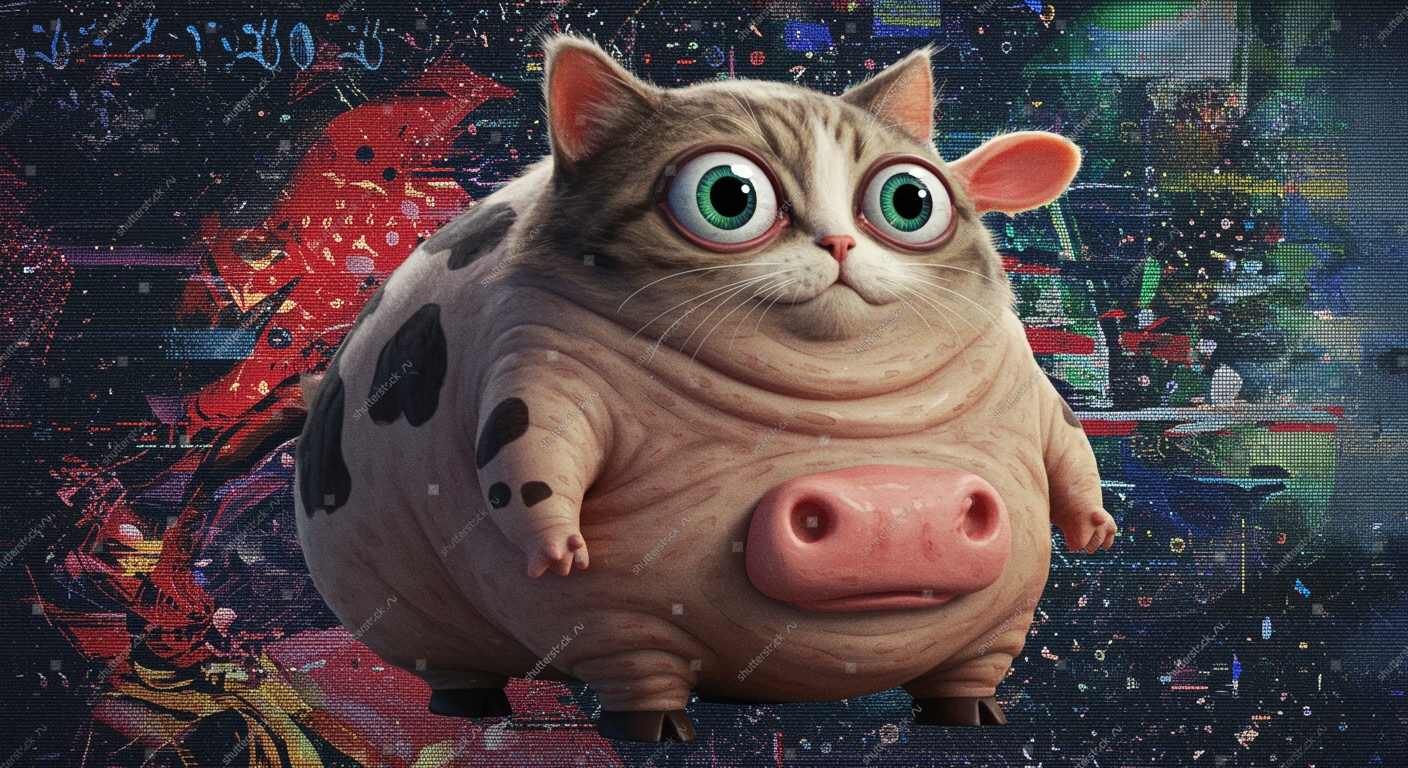
AI slop is content made quickly with AI, with little thought or originality. Sure, it looks neat and professional, but it says almost nothing. You see it everywhere: articles that repeat the same ideas, social posts filled with vague advice, and videos stretched with filler just to get views.
Ironically, AI itself is not the problem. The problem is too much low-quality content, everywhere, all the time.
Why people are feeling tired of it?

When AI content floods your feed, everything starts to blend together. Headlines start using the same formulas, the same power words, the same promises. You see "Here's what you need to know" so often that they stop meaning anything. You would notice the writing is polished but fundamentally hollow.
The worst part? Even genuinely interesting topics lose their spark because they are presented in the same safe, predictable way. It becomes content that is technically correct, but emotionally? Flat. That's why people are getting tired of AI slop or Gen-AI content; it dulls curiosity. And when your curiosity fades, even the most fascinating stories won't matter as much.
According to a study, heavy reliance on AI could dampen critical thinking. This hypothesis could be proven by the data below:
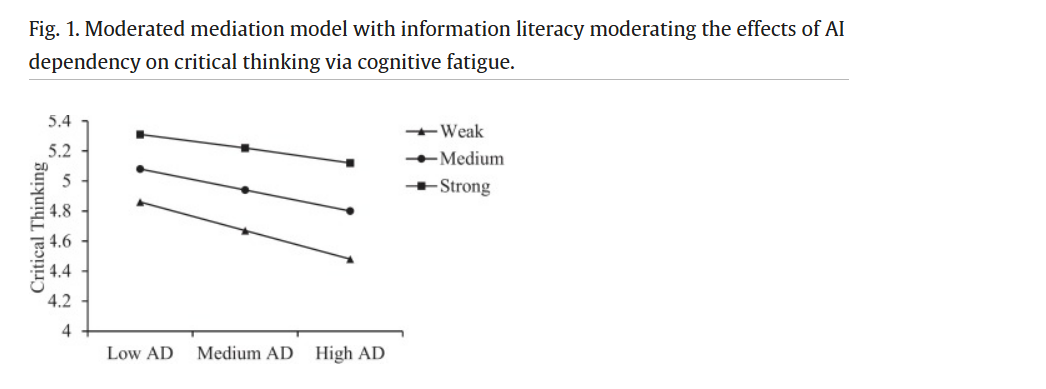
Note: AD means AI Dependency
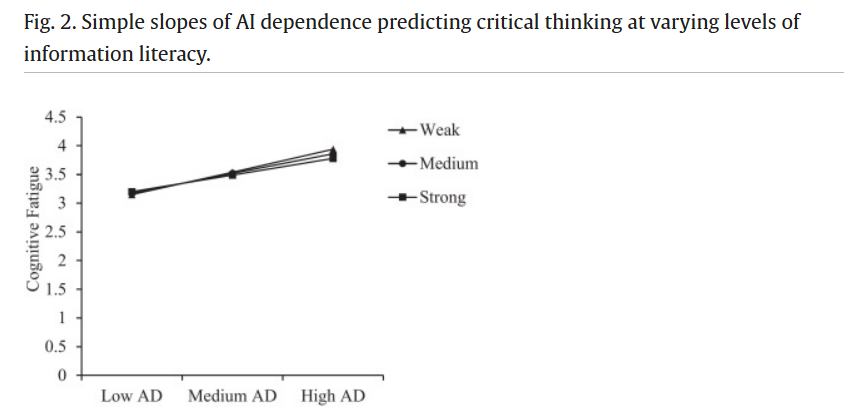
Based on the charts above, we can safely deduce that higher reliance on AI not only lowers critical thinking but also significantly raises cognitive fatigue. To put it in simpler terms, using too much AI makes you less smart, and it exhausts your brain faster.
Signs you might have AI fatigue
If these feel familiar, you are probably experiencing it.
- You stop reading halfway because the content feels shallow or repetitive
- Everything sounds the same, no matter who wrote it
- You trust content less, wondering if anyone actually knows what they are talking about
- Scrolling feels draining, not relaxing
- You enjoy imperfect, human writing more than polished, "perfect" content
Why this matters

AI fatigue is not just annoying. It affects how we learn, think, and create. When too much low-effort content exists, good writing and real ideas get buried. People lose interest, and the internet becomes noisy instead of useful. Hence, you might want to take some time off the net or follow genuine people or content that interests you.
Based on the studies by PubMed Central, controlling the type or amount of AI content consumed could affect how you think and perceive everything around you. So, it is not a far-fetched idea to also conclude that AI could affect your productivity in the long run. This result was derived from the research, as evident in the images below:
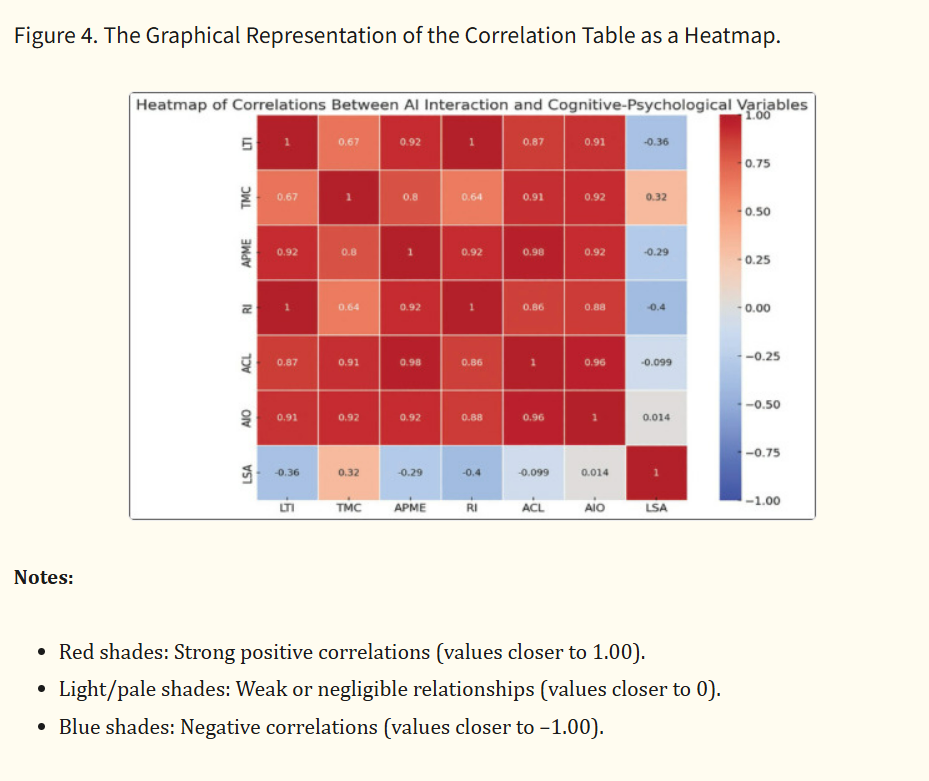
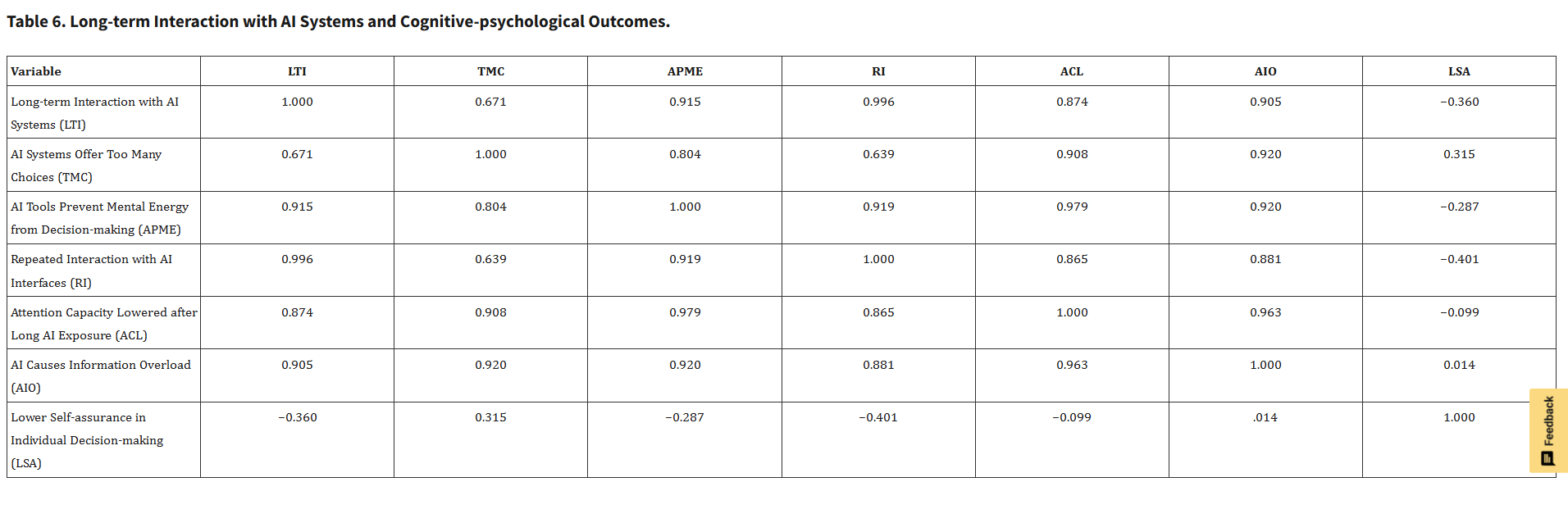
FYI, these are what the short form words in the graph means
These results reveal that the integration of AI may cause double the consequences on cognitive load, wherein it simultaneously diminishes and amplifies mental exertion. While some users perceive AI as a means to reduce mental effort, long-term exposure and repeated interactions appear to "hamper attention, diminish self-assurance, and foster information overload".
How to deal with AI fatigue
You do not need to avoid AI completely. Just change how you use the internet. AI fatigue often comes from overexposure, not from the technology itself. When every post feels auto-generated, every caption sounds the same, and every article repeats familiar points, your brain gets tired because nothing feels new or meaningful. Instead of quitting social media or deleting every app, be more intentional about what you consume.
Follow people who share real experiences and strong opinions. Look for creators who tell personal stories, show their processes, admit mistakes, and take clear stances. Human perspective is messy, emotional, and sometimes imperfect, and that is exactly what makes it engaging. Algorithms tend to amplify polished, generic content. You can counter that by choosing voices that feel authentic rather than optimised.

Read longer pieces that show depth instead of chasing quick clicks. AI-generated content often prioritises speed and volume. Long-form writing, thoughtful newsletters, and well-researched features require effort and reflection. They slow you down in a good way. When you spend more time with one meaningful article instead of ten shallow posts, your mind feels more stimulated and less overwhelmed.
Take breaks from endless scrolling, even short ones help more than you think. AI systems are designed to keep feeding you content. That constant input can dull your attention and make everything blur together. Try setting small boundaries, such as not scrolling during meals, no phone for the first 30 minutes after waking up, or a one-day social media reset each week. These small pauses give your brain time to reset.
Most importantly, support content that feels human. Comment thoughtfully. Share work that resonates with you. Subscribe to creators whose voices feel genuine. The internet becomes what people reward. If you consistently engage with depth, originality, and personality, your feed will gradually reflect that. AI fatigue is not due to the technology. After all, it is about reclaiming attention and choosing quality over noise.
The good news

Besides that, AI fatigue could be a good thing. As people get tired of AI slop, they start looking for authenticity again (or at least, we hope so). Stories, personality, and honesty matter more than ever. Remember, AI is a tool, not a replacement for human thought. If you feel tired of AI content, it means you still care about meaning. And that is something no algorithm can replace.
Did this article catch your interest? If it sparked even a little or resonated with you do share your thoughts in the comments below. As always, stay tuned for more articles and news like this at TechNave!



COMMENTS