
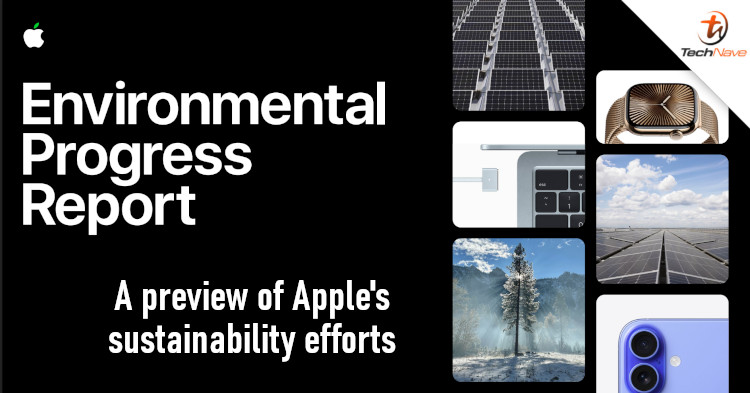
The effects of modern industries are readily apparent in 2026. There's global warming causing heat waves, plastics clogging rivers and seas, landfills filled with trash, and more. That's why it's crucial to have good sustainability practices for companies like Apple. Recently, the company shared its sustainability progress for 2026.
Reduced greenhouse emissions
One of the biggest improvements is the reduction of greenhouse emissions. Since 2015, Apple has reduced overall greenhouse gas emissions by more than 60%. Following that, the company plans to achieve a 75% reduction of greenhouse emissions by 2030. Apple achieved its current progress by changing product designs, efficient usage of supply chain energy, and recycling.
Low-carbon product
For the product design side, Apple has shown what it can do with products like the recently launched MacBook Neo. This MacBook has a carbon footprint of just over 100kg CO2e, making it Apple's lowest carbon product. When designing this laptop, the company took three main areas of approach: Electricity, materials, and transportation. It's estimated that this laptop's emissions are 25-50% lower than those of comparable laptops, such as Chromebooks.
Clean energy expansion
For the second aspect, Apple looked into the use of renewable energy sources. Currently, Apple relies on 20 gigawatts of renewable energy for operations across its supply chain. The switch has allowed Apple to reduce emissions by 26 million metric tons last year. Apple plans to achieve 100% of clean energy for its production by 2030.
Major milestones
Besides making low-carbon products, Apple has made strides in recycling materials. The company has reported achieving 100% recycled content of several critical components:
- Cobalt in batteries
- Tin in soldering
- Rare earth elements in magnets
- Gold plating in circuit boards
On top of that, Apple used more recycled materials last year. Specifically, 30% of all materials shipped in 2025 were recycled (up from 24%). The MacBook Neo is again a showcase in this regard, as it contains 60% recycled materials. Apple has also reduced aluminium use by 50% through new manufacturing techniques and switched all packaging to 100% recyclable fibre.
But it's not only materials that are being recycled. Apple also has a robust refurbishing plan for its products. In 2025, the company resold and reused 15.6 million devices. It also recycled 43,000 metric tons of e-waste, which is how it gets the critical components mentioned above.
Environmental impact
As part of Apple's sustainability efforts, Apple looked into better water management and has successfully replenished over 50% of the freshwater used in operations as well. Its suppliers now reuse 43% of water and have a target to reach 50% by 2030. Overall, Apple saved 17 billion gallons (or 64.3 billion litres) of water last year. Its new manufacturing processes now reuse up to 70% of water, greatly reducing wastewater.
Apple also has many global environmental initiatives. So far, the company has:
- Planted 23 million trees through carbon removal initiatives
- Diverted 600,000 metric tons of waste from landfills
- Provide clean water access in Vietnam
- Set up renewable energy initiatives in Southeast Asia
Why it matters and what's next?
Apple is positioning itself as a leader in corporate climate action within the tech sector. Its focus is on circular supply chains, and product lifecycle emissions reflect broader industry pressure to decarbonise hardware. However, the challenge will intensify as the company approaches its 2030 deadline.
Later this year, Apple fans and general consumers will learn more about Apple's sustainability progress from the 2026 Environmental Progress Report. The report is expected to discuss supply chain decarbonisation, material recycling, and carbon offsetting via nature-based solutions.
With that said, what do you think about this sustainability progress? Let us know in the comments below, and stay tuned to TechNave for more articles like this.



COMMENTS