
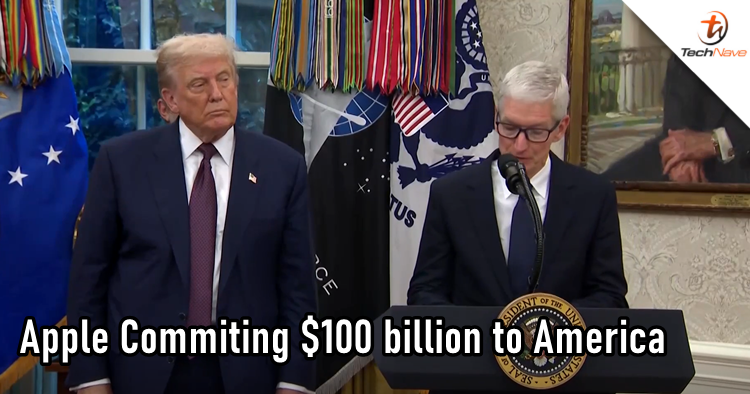
In a high-profile announcement at the White House, President Donald Trump revealed that Apple will invest an additional $100 billion in the United States, bringing its total domestic commitment to $600 billion over the next four years. The move is part of a broader push to expand Apple’s U.S. supply chain and manufacturing footprint, and comes amid escalating tariff threats targeting overseas production.
American Manufacturing Program Unveiled
Apple CEO Tim Cook joined Trump to launch the American Manufacturing Program (AMP), which includes a new glass production facility in Kentucky for iPhone screens, increased domestic production of semiconductors, Face ID modules, and other components, and expanded partnerships with U.S. suppliers like Corning, Texas Instruments, Broadcom, and Samsung.
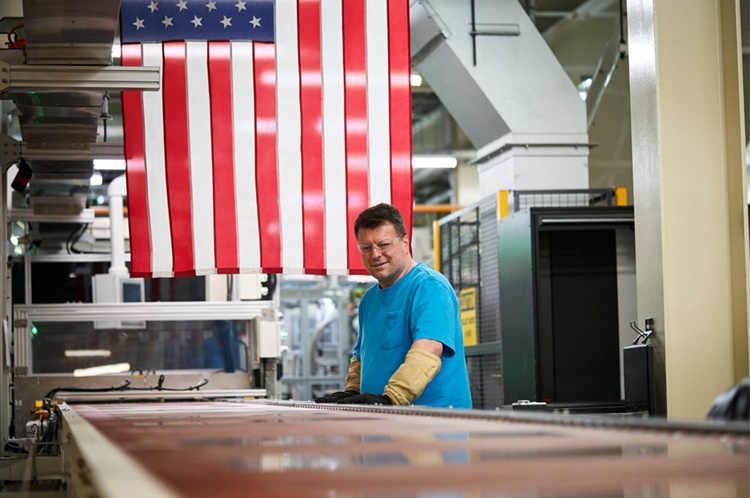
Cook emphasised that while many iPhone parts are now made in the U.S., final assembly will remain overseas “for a while,” citing cost and supply chain complexity.
Political and Economic Implications
Trump framed the announcement as a win for his administration’s reshoring agenda:
“Companies like Apple—they’re coming home. This is a significant step toward ensuring iPhones sold in America are made in America.”
The pledge follows months of tension between Apple and the White House, including threats of a 25% tariff on iPhones made abroad. Analysts view the investment as a strategic move to sidestep tariffs and align with Trump’s domestic manufacturing goals.
Market Reaction and Analyst Insight
Apple’s stock surged 5% following the announcement, with analysts calling it a “savvy solution” to political pressure. However, some caution that Apple’s track record on fulfilling investment promises has been mixed, and full U.S. iPhone assembly remains unlikely in the near term.
Apple currently supports over 450,000 jobs through suppliers and partners nationwide. The AMP is expected to further stimulate job creation, innovation, and regional manufacturing ecosystems, especially in states like Arizona, California, Kentucky, and Texas.
This announcement marks one of the largest private-sector manufacturing commitments in U.S. history, positioning Apple as a key player in reshoring tech production and bolstering economic resilience.






COMMENTS