
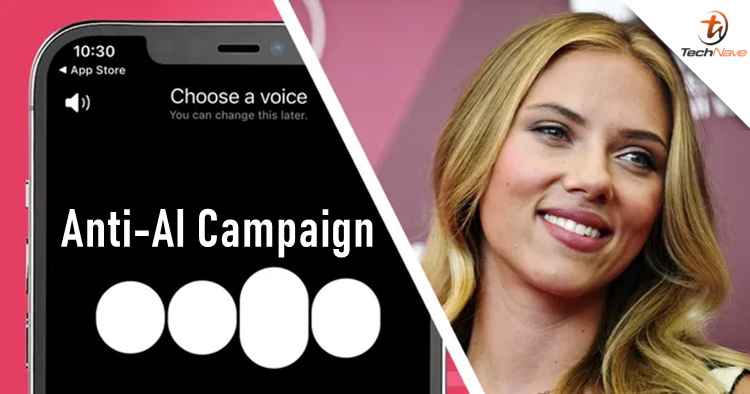
As AI-generated content becomes more capable of producing text, images, music, and voices that closely resemble real artists’ work. Hundreds of artists across film, music, writing, and visual arts have launched a coordinated campaign calling out what they describe as the unethical use of creative works in AI training.
“Stealing Isn’t Innovation” Message Takes Center Stage
According to the organisers, the campaign is a clear statement titled “Stealing Isn’t Innovation.” The message rejects the idea that technological progress justifies using copyrighted content without consent, and innovation should not come at the expense of creators’ livelihoods or intellectual property rights.
Instead of demanding bans or shutdowns, the group is pushing for practical alternatives. They argue that AI companies should pursue licensing agreements with rights holders, establish transparent consent systems, and ensure creators are fairly compensated when their work is used to train commercial models. The campaign emphasises that ethical frameworks already exist in other industries and that AI development can follow similar standards without slowing innovation.
High Profile Names Add Weight to the Campaign
The campaign has gained significant attention due to the involvement of well-known figures, including Scarlett Johansson, Cyndi Lauper, Common, and Joseph Gordon Levitt. Their participation highlights how widespread concerns about AI training practices have become across different creative sectors. Many of the signatories have previously spoken about the risks of AI voice cloning, style imitation, and automated content generation that competes directly with human-created work.
Part of a Growing Legal and Industry Backlash
This initiative adds momentum to a wider wave of legal challenges and public criticism facing AI companies. Several lawsuits in the United States are already testing whether current AI training methods violate copyright law. As governments and regulators examine how AI should be governed, campaigns like this one increase pressure on tech firms to rethink how they source data and engage with creative communities.
What This Means for the Future of AI and Creativity
The artists’ campaign signals a turning point in the relationship between technology and creative labour. How AI companies respond may shape future policies, licensing models, and public trust. For now, creators are making it clear that they want a seat at the table and that a better way forward is possible. Stay tuned for more trending tech news at TechNave.com.



COMMENTS