
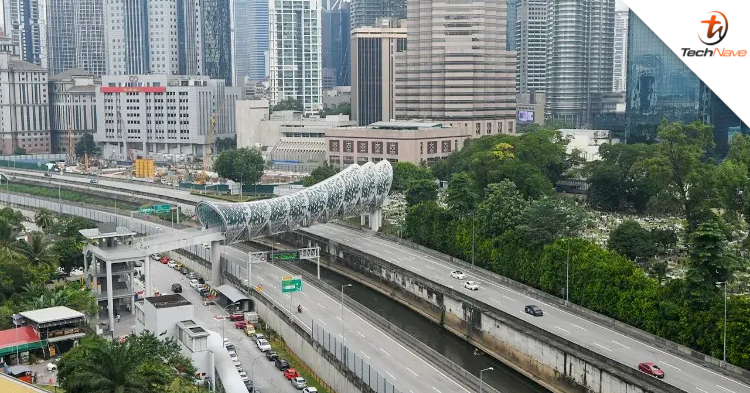
Malaysia is planning to roll out the Multi-Lane Free Flow (MLFF) toll system by 2027, with the estimated project cost reaching around RM3000000000.
The initiative aims to introduce a barrier-free tolling experience on highways nationwide, reducing congestion and enhancing traffic efficiency.
The MLFF system eliminates physical toll booths, allowing vehicles to pass through gantries without stopping. Charges will be deducted automatically using radio-frequency identification (RFID) tags and automated number-plate recognition technology.
The Works Ministry believes this shift will improve traffic flow, especially during peak hours, across the country's 33 tolled highways.
Timeline and implementation approach
According to Works Ministry secretary general Datuk Seri Azman Ibrahim, 2027 is the earliest feasible year for implementation.
Considering the need for stakeholder engagement, highway concessionaire request-for-proposal (RFP) processes, and the establishment of a regulatory framework under the Malaysian Highway Authority.
The government has already prepared a set of standardised parameters for the MLFF system. However, official engagement with highway operators will only begin once the Cabinet approves the proposal.
Authorities are opting for a business-to-business (B2B) model where each concessionaire will be responsible for selecting its own MLFF technology provider or forming a special purpose vehicle to handle system deployment.
Importantly, the government clarified that it will not finance the project, and MLFF adoption will not trigger toll rate hikes.
System scope and background
The MLFF project will cover 33 highways across Malaysia. Initially proposed in the mid-2000s under former Works Minister Tun S. Samy Vellu, the plan has faced delays due to legal and operational challenges.
In the past, a joint venture named KJS-SEP Synergy was appointed to develop the system. However, the contract was terminated in December 2024 after receiving pushback from concessionaires, who raised concerns about overlapping toll rights and operational control.
Trial phase and current status
No government-backed MLFF pilot has been carried out to date. However, some highway operators, including PLUS Malaysia Berhad, have initiated independent trials to test their own MLFF systems.
These pilot efforts are limited in scope and do not yet represent nationwide readiness.
MLFF Toll System – Key features and tech specs
Below is a summary of the proposed MLFF system:
System name: Multi-Lane Free Flow (MLFF)
Technology used: RFID tags and automated number-plate recognition
Coverage: 33 tolled highways across Malaysia
Estimated cost: RM3000000000
Deployment model: Business-to-business (concessionaire-led)
Government funding: None
Earliest rollout: 2027
Pilot programs: Limited trials conducted independently by concessionaires
Curious about how the MLFF system could reshape toll road travel in Malaysia? With the earliest implementation now targeted for 2027 and a concessionaire-led model in place, do you think this long-delayed system will finally make highway journeys smoother?
Stay tuned to TechNave.com for more updates.





COMMENTS