
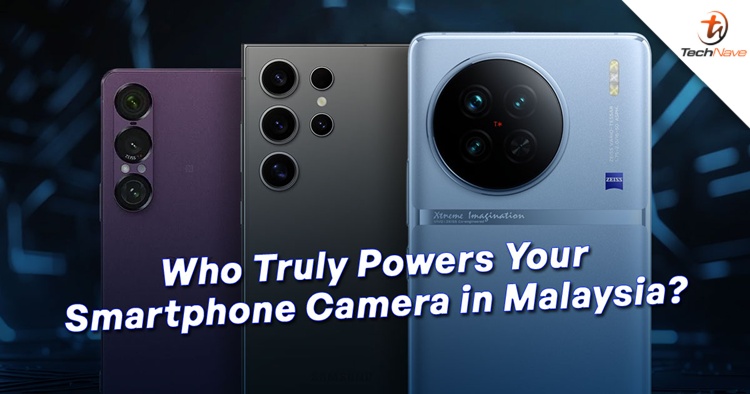
When you buy a new phone, have you ever wondered what the camera model numbers mean? And why do some brands use other brands' camera sensors but not their own? How do you know which one is the best, and does having the highest megapixel (MP) count seal the deal, even in budget-friendly phones?
While smartphone pricing can vary widely, from around RM500 for entry-level models to over RM8000 for flagships, the heart of their imaging capabilities often comes from a select few manufacturers. In this article, we will be taking a look at the number of tech brands supplying camera sensors and how they differ from each other.
The Major Players in Smartphone Camera Sensors
The smartphone image sensor market is dominated by a few key companies. Sony Semiconductor consistently holds the largest share, often exceeding 55%, and sometimes reaching as high as 60%, as reported by TechInsights for the first quarter of 2024 and the third quarter of 2023. Many high-end smartphones, including Apple's iPhones, typically feature Sony sensors for their main cameras due to Sony's reputation for cutting-edge technology and high-performance output.
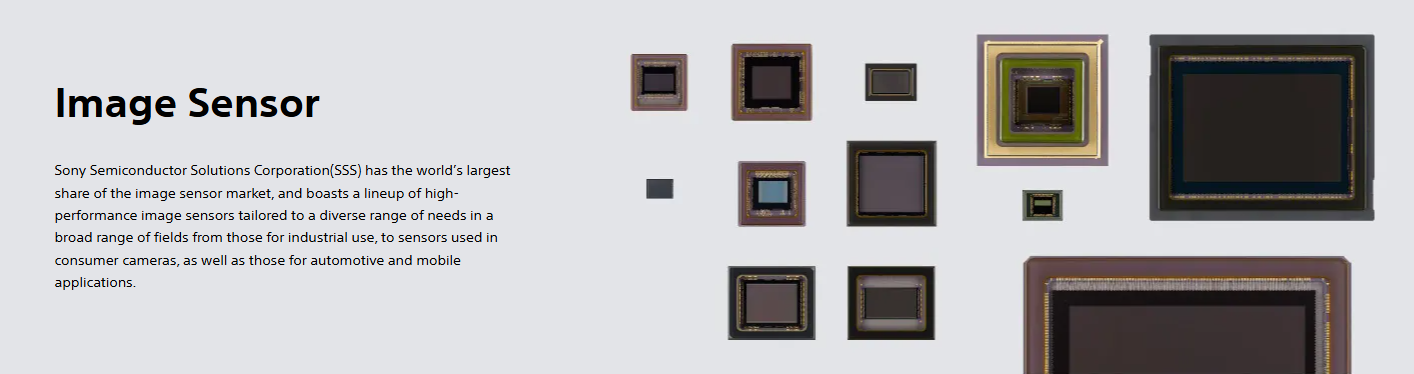
Image sensor introduction by Sony Semiconductor
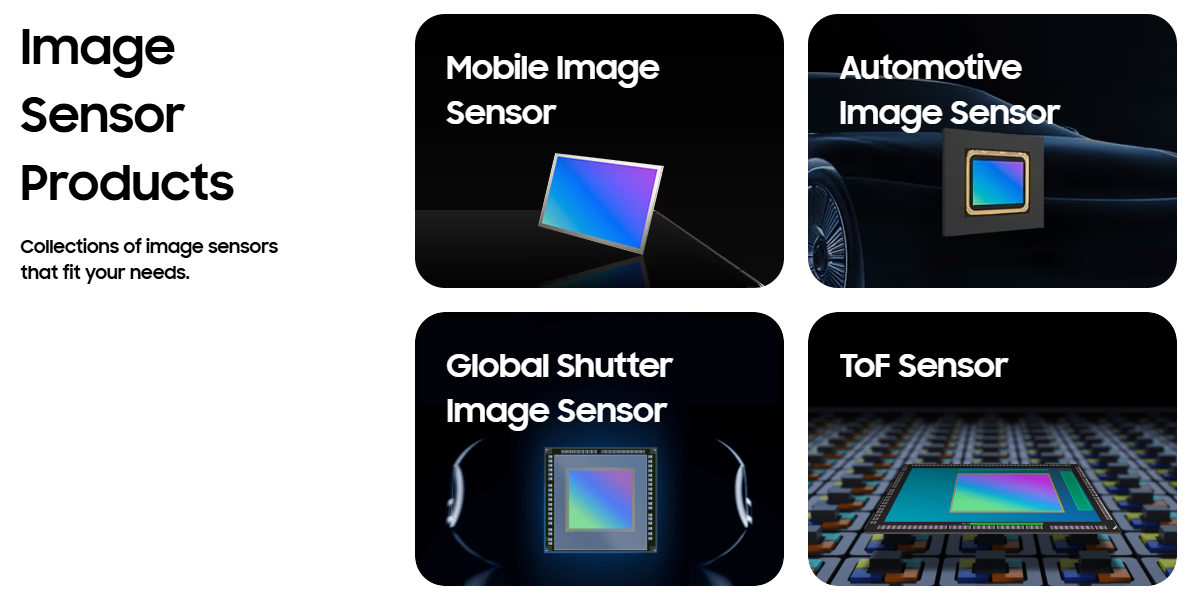
Some information about Samsung ISOCELL technology
Samsung System LSI is the second-largest player in this market. They typically command a significant share, often ranging from 20% to 30%. Samsung has been at the forefront of developing high-resolution sensors, including their 108MP and 200MP ISOCELL sensors, which are frequently found in their own Samsung Galaxy flagship phones and are also adopted by other prominent Android manufacturers, like Xiaomi and vivo.
OmniVision ranks as the third-largest supplier of smartphone camera sensors, usually holding a market share between 9% and 11%. They have established a strong presence, particularly among Chinese smartphone manufacturers. OmniVision is also known for introducing innovative sensor technologies that improve dynamic range and performance in challenging low-light conditions.
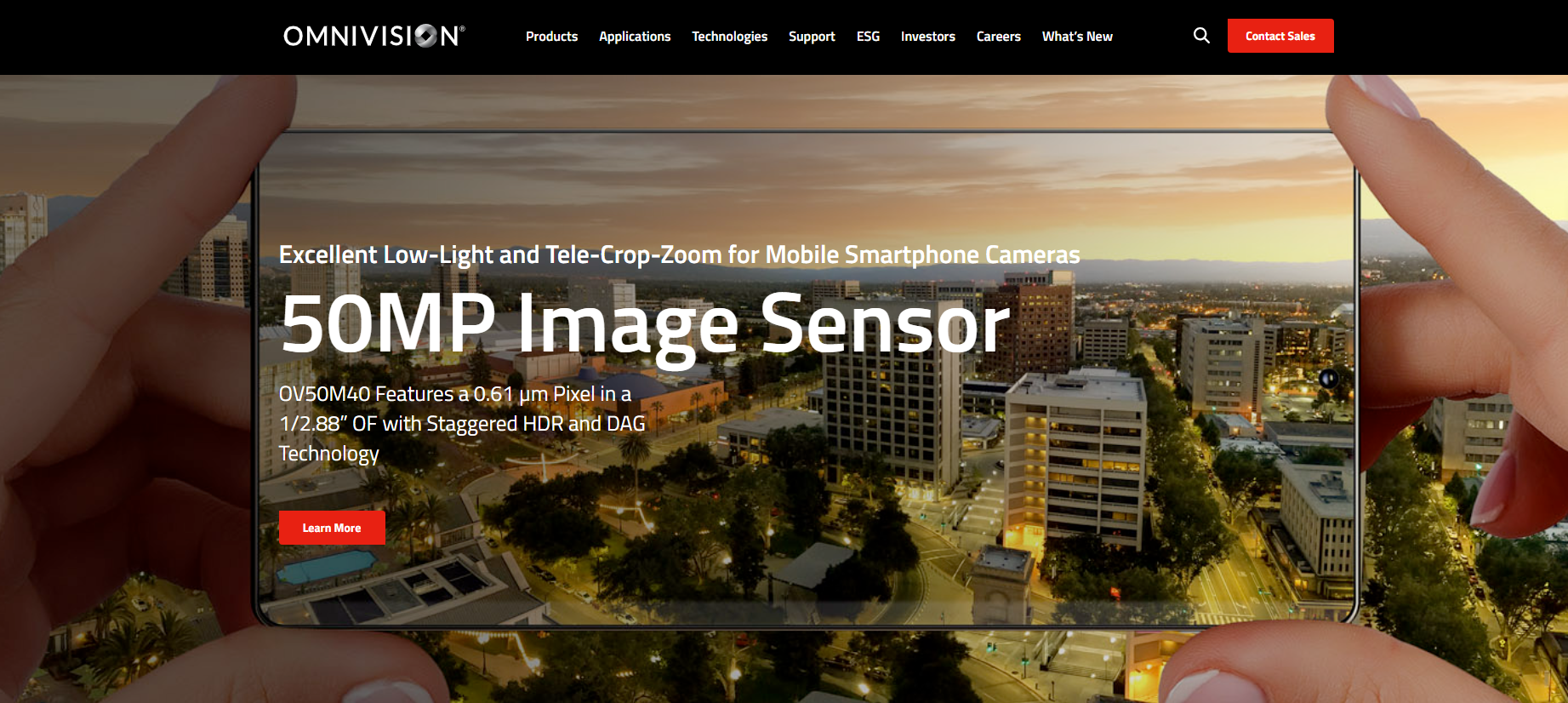
OmniVision is one of the key players
While these three companies largely dominate the market, a few other entities also contribute, albeit with smaller market shares.
- SK Hynix has been a player in the market, but announced plans to exit the CMOS Image Sensor (CIS) business in 2025 to focus on artificial intelligence memory.
- GalaxyCore, a Chinese IC design company, produces CMOS image sensors, especially for entry-level and mainstream smartphones.
- STMicroelectronics manufactures sensors for specific applications.
- SmartSens Technology is another Chinese company that is gaining traction with local smartphone original equipment manufacturers (OEMs).
Deciphering Camera Sensor Model Names
Now that you're familiar with the major sensor manufacturers, understanding the naming conventions can provide valuable insight into a smartphone's camera capabilities without needing a full tech specs breakdown. While exact model names often change with new generations, general patterns can be observed.
Sony's mobile camera sensors generally use the IMX prefix, followed by a series of numbers. Newer, higher-end sensors often have higher numbers or specific series designations. For flagship performance, look for sensors with larger optical formats (e.g., 1-inch type or 1/1.28-inch) and larger pixel sizes (measured in micrometres µm).
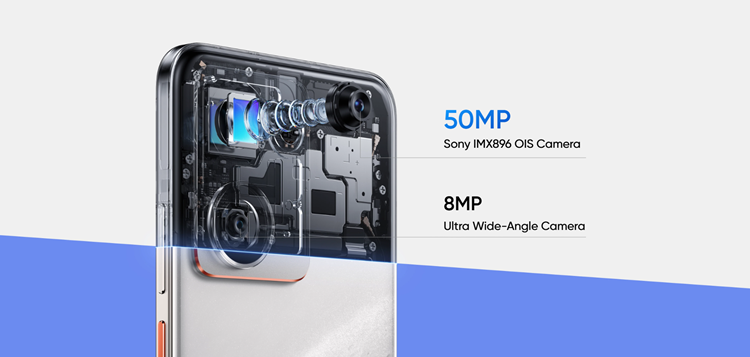
A Sony IMX896 camera on the realme P3 Ultra
For example, the Sony IMX989 is a 1-inch type sensor found in several Android flagships (Xiaomi 13 Pro, Huawei Pura 70 Ultra, etc.). Another example is the LYT-828 (also referred to by internal codenames like IMX09A), a newer 1/1.28-inch sensor that introduces advanced HDR technology, expected in upcoming flagships like the vivo X300 Pro and OPPO Find X9 Pro.
Generally, lower numbers in the IMX series, such as IMX7xx or IMX8xx, are typically found in older flagships or mid-range devices. The latest "LYT" series (e.g., LYT-800, LYT-900) also indicates cutting-edge sensors, often with stacked designs for enhanced performance.
ISOCELL HP2 video breakdown
Next, Samsung's camera sensors are branded under the ISOCELL name, indicating their proprietary pixel isolation technology. Their model names typically include an "HP" or "GN" prefix followed by numbers, sometimes with a letter suffix indicating a specific variant.
For flagship devices, Samsung often utilises its high-megapixel ISOCELL HP series, such as the ISOCELL HP2 (200 megapixels) found in the Galaxy S23 Ultra and Galaxy S24 Ultra. The ISOCELL HP3, HP5, and HP9 are also indicative of advanced zoom camera sensors, some of which are being adopted by Chinese OEMs for their flagship telephoto modules.
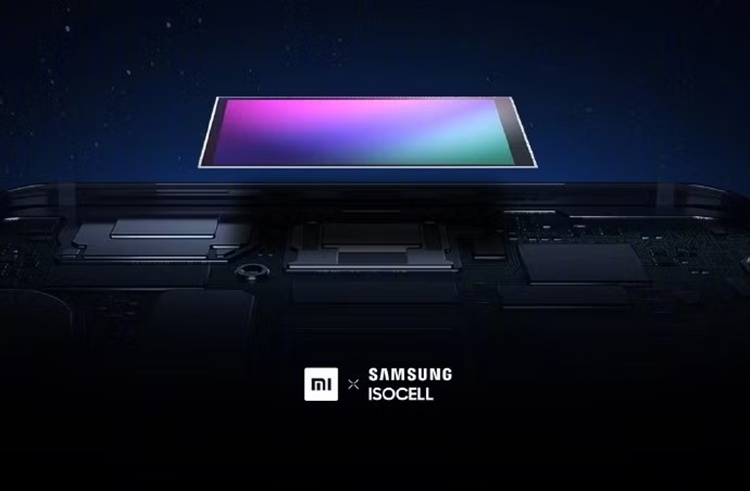
An old teaser image of Xiaomi using Samsung ISOCELL sensors
Samsung also offers "GN" series sensors, like the ISOCELL GNJ. These are known for their strong all-around performance and are often featured as main sensors. Lower numbers or single-digit numbers often indicate smaller sensor sizes or older generations.
Meanwhile, OmniVision sensors often use an "OV" prefix followed by numbers. They are known for their PureCel and PureCel Plus-S technologies, which focus on low-light performance and compact design. An example of a high-end OmniVision flagship sensor is the OV50H, a 50MP sensor with a 1/1.28-inch optical format and 1.20 µm pixels, used in devices like the Moto Edge 50 Ultra and HONOR Magic 7 Pro.
OmniVision PureCel Technology
The OVH9000 is another flagship sensor found in some top-tier smartphones, like the Xiaomi 14. Their cutting-edge OV50X is a 1-inch type sensor announced in April 2025, boasting high dynamic range and advanced autofocus. It's expected to debut in next-generation Snapdragon 8 Elite Gen 2-powered flagships by the end of 2025.
What This Means for Smartphones in Malaysia
For consumers in Malaysia, understanding the sensor landscape is important when considering smartphone purchases. While brands often highlight high megapixel counts, the underlying sensor technology and its manufacturer play a more significant role in actual photo quality.
Here's a protip: Consider looking beyond just the headline features and inquire about the camera sensor manufacturer and its model name to better gauge its potential imaging capabilities. A phone featuring a larger sensor but lower megapixel count from a leading brand can often outperform one with a high megapixel count but using a smaller, less advanced sensor, especially in low-light conditions.
What camera sensor brand do you hope to see in your next smartphone, and why? Share your thoughts! Stay tuned to TechNave.com for more updates.



COMMENTS