

Whether it's games, productivity apps, or design tools, our phones are packed with programs that change or update over time. The same goes for the Android operating system (OS). Depending on the brand and product class of the Android phone, we get between 2 to 7 years of OS updates. But what happens when you can't update the phone's OS anymore?
I've encountered this once with my Black Shark 5 smartphone. This is because the company became defunct in early 2023, causing all system updates to cease entirely. It's like the "warranty" for my phone ended. Now, I could either continue using the phone without updating or buy a new one. Many people would do the same, thinking that not updating isn't an issue.
However, not updating your Android phone does come with certain risks. It's important to be aware of these risks, so I've listed a few things that you should take note of.
No New Features or Improvements
In case you didn't know, a new version of Android OS is released every year. For example, Android 15 was released earlier this month and introduced some cool features like theft protection, a built-in private digital space (which companies like Samsung already offer), and an always-on taskbar for Android tablets.
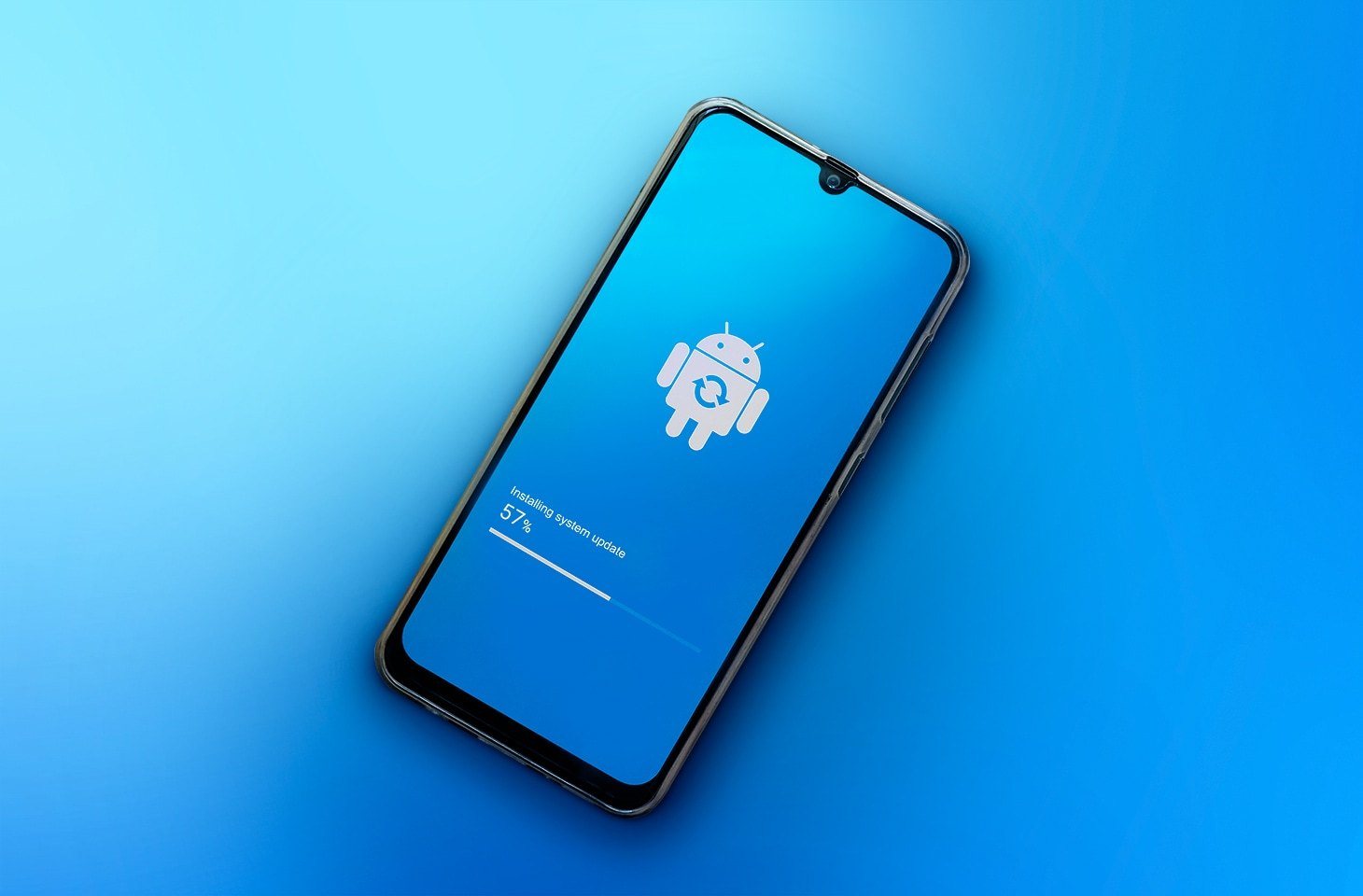
New Android versions often have new features. No updates = no new features
Each major Android version update comes with new features. There are also smaller updates with important improvements and bug fixes. But once my phone stopped receiving OS updates, I lost all of that instantly. Sure, in the short term, it might not feel like a big deal. But over time, losing access to these updates can lead to bigger problems.
Apps No Longer Work
One of the problems I encountered with my old phone was certain apps failing to start up. This usually wouldn't be a problem unless you use a really old phone from the early 2010s. For instance, Facebook only works if your phone has Android 11 and above, but popular apps like TikTok and WhatsApp still work on older devices running Android 5.0. To find out the minimum requirement, just check the Google Play Store.
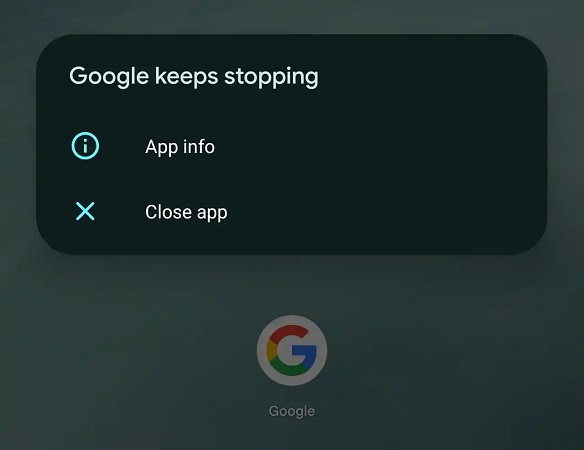
Some apps could have problems if the OS isn't updated
Another issue could be that an app starts up but doesn't work as expected. This is often due to an issue with the app or platform's API (Application Programming Interface). It might also be caused by software vulnerabilities that an update could have fixed. And that brings me to the next point: Security.
Vulnerability to Cyber Attacks
When my old phone stopped receiving OS updates, there was about another year of security patches. So while some apps were wonky, it didn't bother me too much, as long as the ones I normally use don't go haywire on me. But once the security updates end, a smartphone becomes vulnerable to malware, app exploits, and viruses.
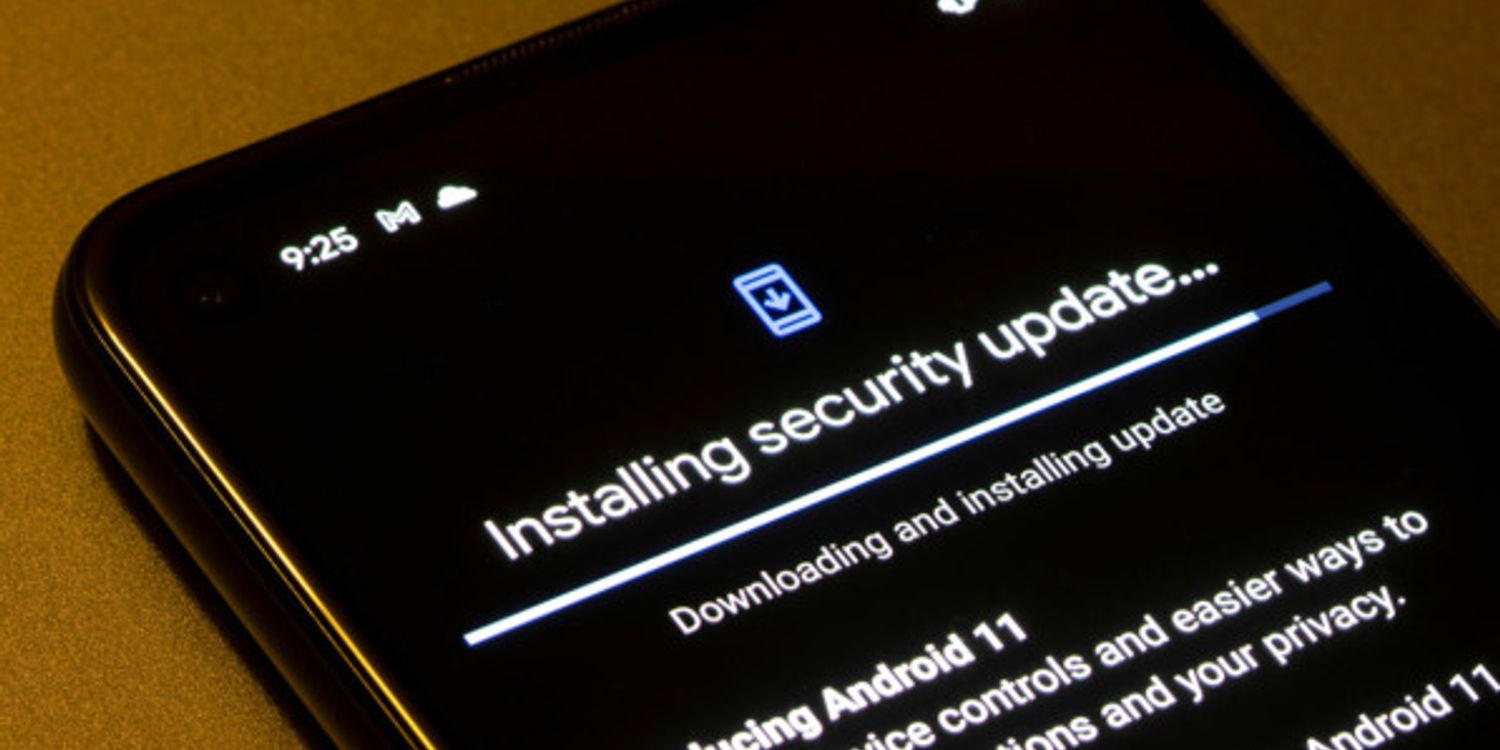
Security updates are equally important
This could lead to poor system performance or even apps no longer working properly which could lead to more serious issues if you use it for banking. By this point, my only option was to either live with a problematic phone, update it somehow, or get a new one. The last one means having to spend money, which can be troublesome if you're running a tight budget.
Battery Life Suffers
Another thing that was impacted was my phone's battery life. Besides natural degradation over time, poor software optimisation could cause the battery to drain faster. In fact, I've experienced this once with another phone, resulting in a bloated battery that needed to be replaced. As mentioned, malware could also affect the battery's lifespan, as it might cause apps to use more resources than necessary and lead to quicker battery drain.
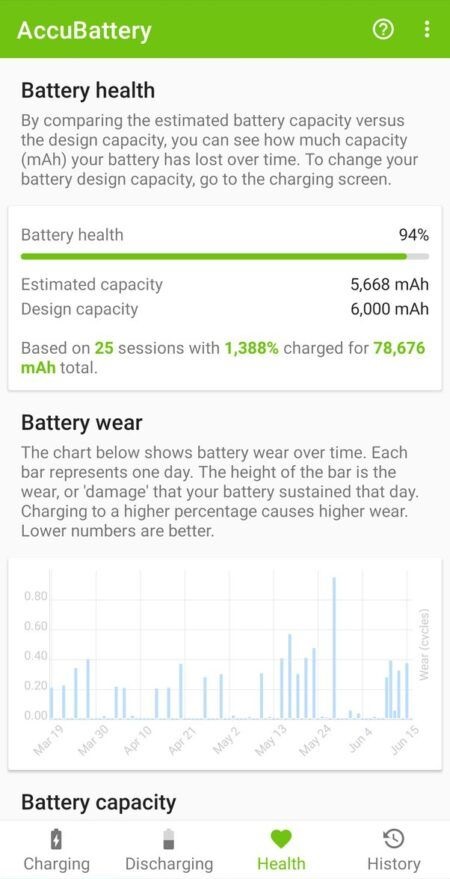
Some apps can detect battery health
Final Thoughts
There are a few reasons why smartphones have limited software updates. For one, most companies don't just apply the stock Android update to their devices. Instead, they create custom user interfaces (UIs) to suit their needs. For example, Samsung has OneUI and Honor has MagicOS, both of which are based on Android but have their own unique designs and features. All of this development takes time and money, which is why updates aren't endless.
Secondly, companies want to encourage us to buy new phones. If smartphones could be updated and used forever, some people (like me!) would never upgrade. It's unfortunate, but that's how these companies stay in business, and I can't really fault them for it.
If I had the money to buy a new phone every year, that would be great. But for someone who doesn't have a lot of disposable income, being pushed to upgrade every few years isn't ideal. My personal advice is: Keep track of the date you bought your phone and how many years of Android OS and security updates the brand offers. That way, you'll know when the phone 'expires' and can better plan for when to replace it. Hope that makes sense!
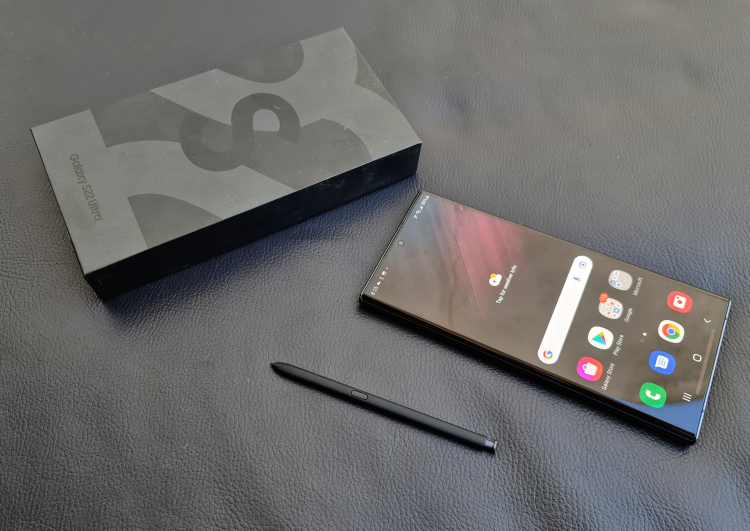
You could get a phone that's not TOO old (like the Samsung Galaxy S22 Ultra) with many years of updates left
So, what do you think? Do you think that it's okay to keep using a phone without updates? Or do you upgrade often enough that this isn't a big deal? Let us know in the comments on our Facebook page, and stay tuned to TechNave for more articles like this!

COMMENTS