
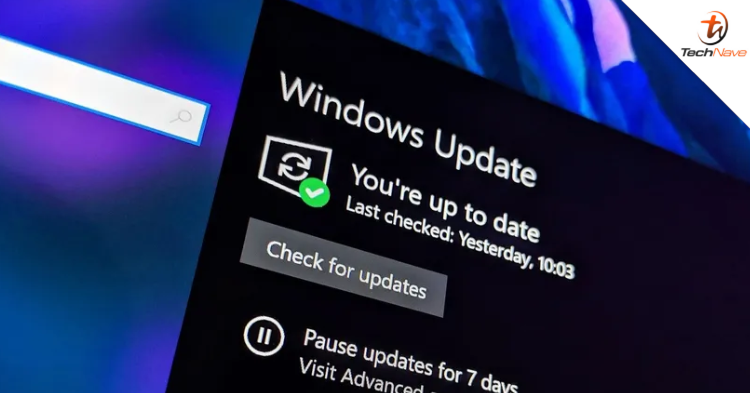
Microsoft is giving Windows 10 users more time before upgrading by offering Extended Security Updates (ESU). Starting July 2025, eligible users can receive security updates for free—provided they back up their devices to OneDrive using the Windows Backup feature.
Otherwise, ESU can be purchased for RM132 (USD30) per year per device.
Microsoft offers more flexibility before Windows 10 support ends
Official support for Windows 10 ends on 14 October 2025. To bridge the gap, Microsoft will launch an Extended Security Updates (ESU) program that includes both free and paid options. Here’s what users need to know:
Free ESU access will be available to users who sync their PC settings and files to the cloud using the Windows Backup app. This method backs up to OneDrive, which includes 5GB of free storage.
- Rewards redemption: Users can also redeem 1,000 Microsoft Rewards points to unlock one year of ESU access.
- Paid ESU: If users prefer not to use cloud backup, they can purchase ESU at RM132 (USD30) per device per year.
This applies only to individual consumers and small businesses. Microsoft will begin rolling out the ESU enrollment wizard to Windows Insiders in July 2025, with full public availability expected by mid-August 2025.
For commercial and enterprise environments, Microsoft is offering ESU through volume licensing or Windows Autopatch. The commercial ESU subscription is priced at RM268 (USD61) per device per year, with support renewable annually until 2028.
Additionally, devices running Windows 10 via Windows 365 Cloud PCs or Azure Virtual Desktops will receive free ESU automatically.
What ESU includes (and what It does not)
The Extended Security Updates only cover critical and important security patches. They do not include:
- New features
- Bug fixes
- Performance improvements
- Technical support
Users who remain on Windows 10 beyond the end-of-support date will no longer receive non-security updates unless they opt into the ESU program.
Why this matters
Windows 10 still runs on nearly 70 percent of all Windows PCs globally, making this announcement especially relevant. In Malaysia and elsewhere, many users and businesses have been hesitant to transition to Windows 11 due to hardware requirements or software compatibility.
Microsoft’s flexible ESU approach gives users more time to prepare for an upgrade—whether that means transitioning to Windows 11 or waiting for newer Copilot+ PCs. This also helps reduce security risks from unsupported systems that continue to operate without patches.
Are you still using Windows 10 and not ready to upgrade yet? With Microsoft’s new ESU program, you now have options—either sync to the cloud, redeem points, or pay for continued protection. What method will you choose? Let us know in the comments.
Stay tuned to TechNave.com for more updates.



COMMENTS