
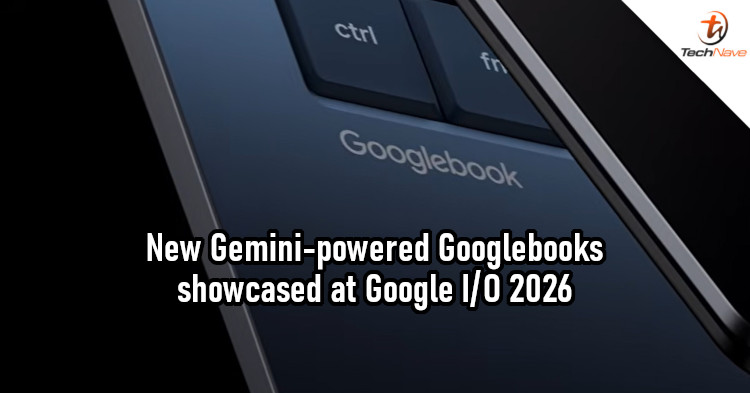
Google I/O 2026 is just around the corner and is set to reveal some new software updates. But as announced last week, Google hosted a dedicated Android event with new stuff to announce. Interestingly, it's not only software this time as the company had new hardware to show.
Bye-bye, Chromebook
A few months back, Google confirmed that it would replace the Chromebook category with new laptops. The company's plan was to replace ChromeOS with a better operating system, one more effective for desktop users. That happens to be the Android-powered Googlebook, which Google described as a category designed for Gemini.
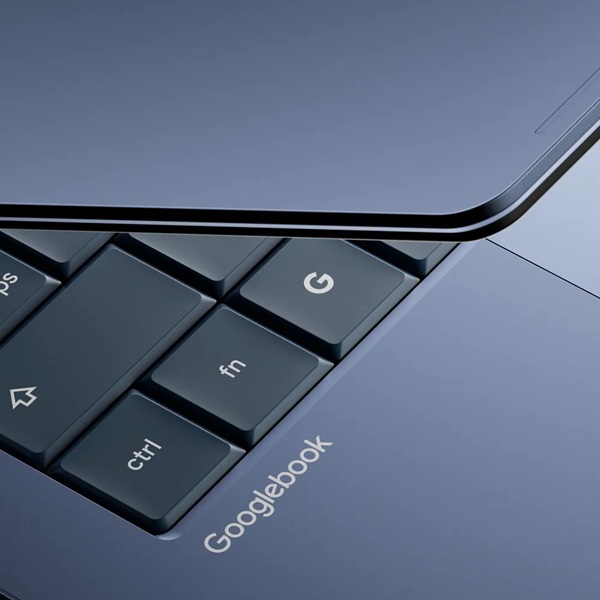
According to Google, these Googlebooks are meant to be "premium hardware" and will work with Android phones. This suggests a direct integration with mobile devices, similar to how Microsoft Windows users can connect to selected Android devices (namely Samsung and Google) using the Phone Link app. More importantly, Googlebooks come with Google Gemini AI integration. This means you get quick context searches and other features at your fingertips.
Features
At a glance, the Googlebook's UI doesn't look all that different from an Android tablet's interface. You have the taskbar at the bottom and a desktop you can fill with apps or widgets. Of course, it does have features unavailable on an Android tablet.

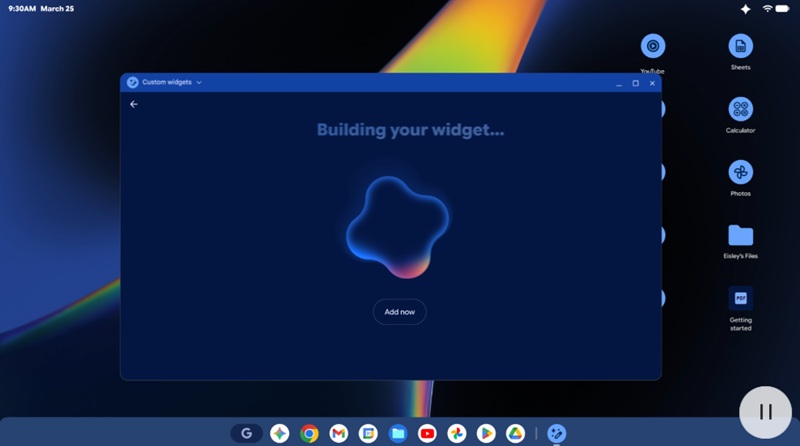
Among them is the Magic Pointer, which you can quickly 'shake' to call up the Gemini context menu. Using that, you can select images or text and ask Gemini to perform a task. Users can also create custom widgets, plan holiday trips with ease, or personalise their desktop. Overall, Googlebooks promise better user experience compared to the Chromebooks from before.
Google has already confirmed the first batch of Google books will be from Acer, ASUS, Dell, HP and Lenovo. However, no launch dates or prices have been revealed, so we'll have to wait for further updates. Until then, stay tuned to TechNave for more news like this.




COMMENTS