
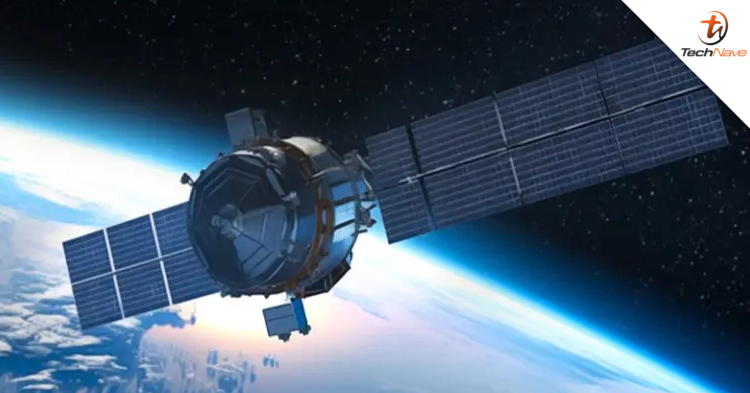
The Google Pixel 10 series now features satellite-based location sharing and messaging. So, what should you know about it?
For your information, this new capability extends connectivity to areas without cellular coverage and is available across the Pixel 10 family as well as the new Pixel Watch 4.
A more practical approach to off-grid connectivity
At first glance, the Pixel 10 series takes a practical approach to off-grid connectivity. Google partnered with Skylo and T-Mobile to integrate satellite features directly into core apps.
That means there is no need for separate hardware or third-party solutions. This is the kind of subtle but useful upgrade that TechNave readers often look out for, functionality that simply works when needed.
Satellite features in the Pixel 10 Series
The Pixel 10, Pixel 10 Pro, Pixel 10 Pro XL, Pixel 10 Pro Fold, and Pixel Watch 4 now support three satellite features through Skylo’s network:
- Satellite SOS – Connects directly to emergency services in the U.S., Canada, Europe, and Australia. The Watch 4 currently works only in the U.S.
- Location Sharing via Satellite – Allows live location updates in remote areas using Google Maps or Find Hub, marked with a satellite icon when outside cellular range.
- Satellite Messaging – Works depending on your carrier plan, enabling basic text communication when mobile networks are unavailable.
- T-Mobile’s new T-Satellite service, powered by Starlink, also gives Pixel 10 users early access to satellite-enabled apps such as Messages, Google Maps, and Find Hub.
These apps will function even when there is no mobile signal. T-Mobile customers can start using T-Satellite data before the official rollout on 1 October 2025.
If you often travel to areas with limited coverage, the Pixel 10 series could be a practical option thanks to its built-in satellite capabilities.
Would having off-grid location sharing and messaging make you consider upgrading? Stay tuned to TechNave.com for more updates.




COMMENTS