
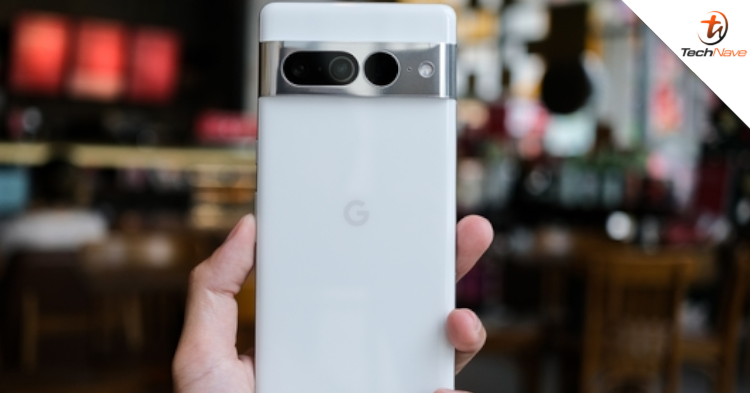
Google’s Pixel?7 and Pixel?7 Pro smartphones have been officially banned from sale in Japan following a ruling by the Tokyo District Court.
The ban stems from a patent infringement case involving South Korean firm Pantech, which claims the devices violate its standard essential patents related to LTE signal control.
The decision, issued on 27?June?2025, marks a rare legal setback for Google in the Japanese smartphone market.
Pixel?7 devices no longer for sale in Japan
Previously launched in Japan, the Pixel?7 series had gained traction with competitive pricing and promotions, including limited-time offers equivalent to RM0.
However, due to the court ruling, Google must immediately cease importing, selling, and displaying the Pixel?7 and Pixel?7 Pro across Japan.
The patent in question involves LTE technology—specifically, how acknowledgment signals (ACKs) are managed between base stations and mobile devices.
The court concluded that the Pixel?7 series infringes on this technology, which is protected under Pantech’s Japanese patent rights.
Potential impact on Pixel?8 and Pixel?9 Series
The court ruling applies only to the Pixel?7 and Pixel?7 Pro, but Pantech and its associated company IdeaHub have filed a separate complaint targeting newer models like the Pixel?8 and the unreleased Pixel?9.
These upcoming devices reportedly use the same technology, which could lead to further bans if the court finds similar patent violations.
At the time of writing, no ruling has been made regarding the Pixel?8 or Pixel?9, but the ongoing legal action signals a continued dispute between Google and Pantech over LTE patents.
A Legal Precedent in Japan
This case is notable because it marks the first time a Japanese court has issued a sales ban for a smartphone over infringement of a standard essential patent.
These types of patents are considered critical for industry-wide compatibility and are typically subject to FRAND (Fair, Reasonable and Non-Discriminatory) licensing agreements.
However, the court sided with Pantech after determining that Google had not shown sufficient willingness to license the patent under fair terms. Reports suggest Google declined to disclose detailed sales information or agree to specific licensing terms, which contributed to the ruling against them.
Pantech no longer produces smartphones, but it remains active in patent enforcement. This case highlights how companies with dormant or retired hardware operations are increasingly focusing on monetizing their intellectual property through litigation.
Market implications for Google in Japan
Google has been gaining ground in Japan, with the Pixel series emerging as the second-most popular smartphone brand in the country after Apple. The Pixel?7 and Pixel?7a in particular contributed to this growth. The sales ban could now slow Google's momentum in one of its key Asia-Pacific markets.
Will this ruling change the way Google approaches hardware design and licensing in future smartphones? How might this affect Pixel pricing and release strategies in markets like Malaysia? Stay tuned to TechNave.com for more updates.





COMMENTS