
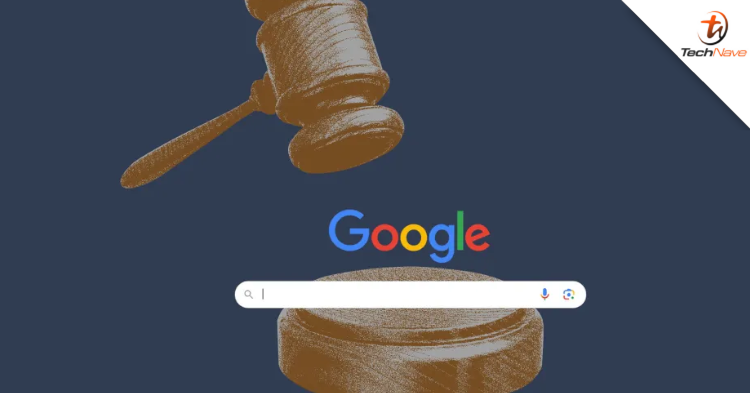
A judge in the United States has ruled that Google does not have to sell the Chrome browser to address the issue of an illegal monopoly in the online search market. So, what should you know about it?
Google won, but at what cost?
According to The Verge, the decision is being seen as a 'remarkable' victory for big tech companies facing legal action from US authorities. US District Court Judge Amit Mehta rejected several more aggressive proposals from the Department of Justice (DOJ) aimed at correcting Google's behaviour and restoring competition in the market.
Moreover, he allowed the company to keep its Android operating system and continue to pay distribution partners to preload or deploy Google Search, Chrome or its GenAI products.
However, Google was ordered to share "some search index data and user interaction, but not advertising data" with competitors, to open up more room for competition. Google was also prohibited from entering into exclusive agreements that could close off distribution opportunities for competitors' search products or AI assistants.
"The court has now placed limits on how we distribute Google services and requires us to share Search data with competitors. We have concerns about how this requirement will affect users and their privacy, and we are reviewing this decision carefully. The court also recognises that selling Chrome and Android would go beyond the focus of this case on search distribution, and potentially harm our users and partners," Google said in a statement.
While data sharing would give Google's competitors an advantage in advertising, the decision to keep Chrome and Android relieved investors who see both as important assets in the company's overall business.
This is not new
More than a year ago, the same judge found that Google held an illegal monopoly on online search and related advertising. His latest ruling now sets out the 'remedial' steps Google must take in response.
Google has previously said it plans to appeal, meaning it could be years before the company is required to comply with the court's ruling. The case is expected to end up in the Supreme Court.
Did this news catch your attention? Stay tuned for more news like this at TechNave!


COMMENTS