
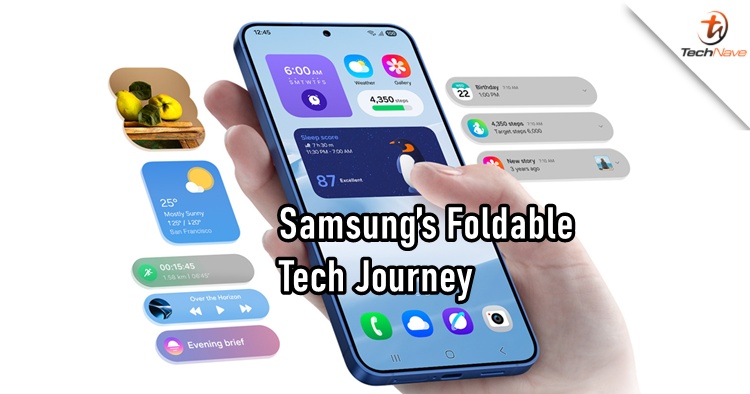
Samsung played a prominent role in introducing foldable smartphones to the market with the launch of the Galaxy Z Fold and Galaxy Z Flip. These devices were among the first to bring flexible display concepts into mainstream consumer electronics.
Samsung Display's Role in the Supply Chain
The company first presented the idea of foldable displays in 2011. Over the following years, it invested in research and development to transition the concept into mass-produced devices.
Samsung Display, a division of Samsung, manufactures OLED and AMOLED panels used in a wide range of devices, both internally and for other major brands. This includes:
- Apple: Uses Samsung OLED panels for iPhone models such as the 13 Pro, 14 Pro, and 15 Pro. Despite sourcing from other companies, Samsung remains a key supplier.
- OnePlus: Employs Samsung AMOLED panels in flagship models like the OnePlus 11 and 12.
- Oppo: Uses Samsung’s flexible display technology in the Find X and Find N series, particularly in its foldable lineup.
Ongoing Improvements in Foldable Durability
Recent durability tests on the Galaxy Z Fold6 and Z Flip6 have shown that these foldable models meet higher standards for everyday wear and tear. Improvements include better hinge mechanisms and more resilient display layers, which may contribute to a longer product lifespan in foldable smartphones.
Samsung devices have also been noted in reports for withstanding physical impacts. Such cases, while not typical, have drawn attention to the physical robustness of some Samsung devices.
- A Ukrainian soldier claimed that a Galaxy S25 Ultra took shrapnel during combat, with the phone absorbing the damage.
- Another individual reported that a Galaxy S20 blocked a bullet while in his jacket pocket, possibly preventing injury.
Looking Ahead
Looking ahead, further developments such as rollable displays, embedded biometric sensors, and enhanced durability could expand the use cases for flexible technology beyond smartphones. As the market matures, consumers may see foldable and flexible displays integrated into a wider range of electronics, including wearables, tablets, and laptops.




COMMENTS