
If you recall, we discussed power banks in an article last week. Specifically, it was about why power banks can be safety hazards and are now regulated by airlines. But what do specs with acronyms like 'W', 'A', or 'mAh' mean?
For our follow-up to last week's article, we'll go over how to calculate Wh, how to buy a power bank, and some recommended features or brands to look out for. Without further ado, let's get started.
How much energy can be stored in a power bank?
When you see the capacity of batteries quoted on the specs sheet of a power bank or mobile phone, you tend to see the acronym "mAh". It stands for milliampere-hour, which is the current a battery can provide in an hour.
Other times, you'll see the term "Wh" instead. This represents watt-hour, the total energy a battery can store. It can be calculated using the following formula: Wh = mAh × V ÷ 1000. As you can see, mAh is only part of the equation. The regular voltage (V) of the battery is also important.
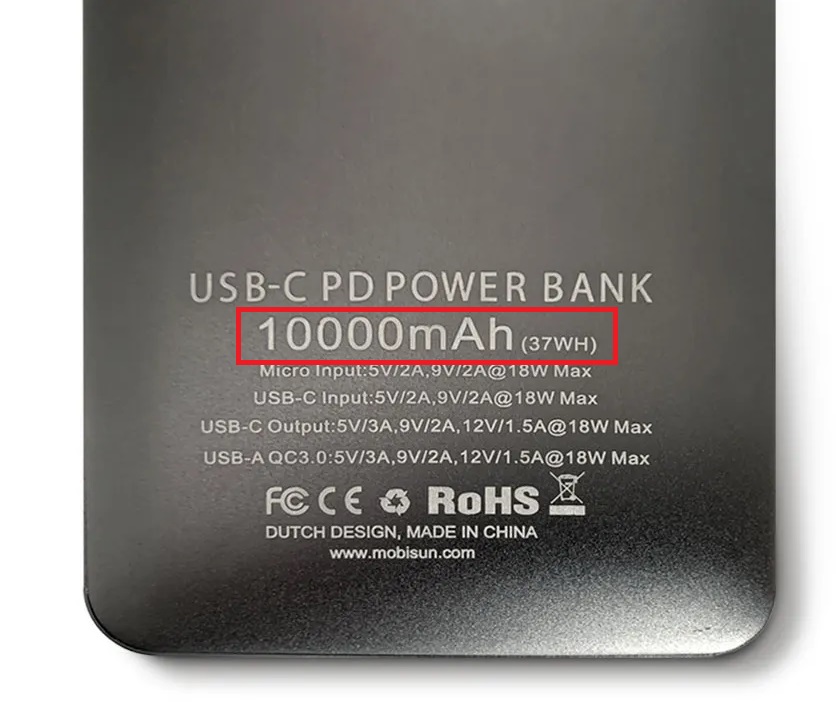
Power banks are always labelled, you can't miss it!
For reference, most power banks run at 3.7V. Based on that value, a power bank with a 10000mAh battery would be a 37Wh battery, while a 20000mAh power bank can store 74Wh of energy. Having said that, certified power banks would have all relevant info printed on the device itself, so there's no need to perform the math yourself. But if you're curious, we've listed the calculations of some typical power bank capacities below.
The primary school level maths for reference:
- 3000mAh = 3000 x 3.7 ÷ 1000 = 11.1Wh
- 5000mAh = 5000 x 3.7 ÷ 1000 = 18.5Wh
- 10000mAh = 10000 x 3.7 ÷ 1000 = 37Wh
- 20000mAh = 20000 x 3.7 ÷ 1000 = 74Wh
- 30000mAh = 30000 x 3.7 ÷ 1000 = 111Wh
As a reminder, most airlines allow up to 2 power banks with a combined max energy of below 100Wh. Approval from the check-in counter is required if the total capacity is between 100 to 160Wh. In other words, you'll have no issues bringing one 20000mAh power bank and maybe another 5000mAh power bank to a flight. However, you have to seek approval for a 30000mAh power bank. Of course, it's also important to remember that using a power bank while the plane is flying is prohibited.
Choosing the right power bank for your devices
Checking the specs of a power bank can help ensure you find the right ones for your device. You can do so by checking the power adapter for your device, which will list the required input voltage and current as "5V/2A" or "9V/1.67A". And if your smartphone came without a charger in the box, that's fine too, as phones now have software to regulate charging.
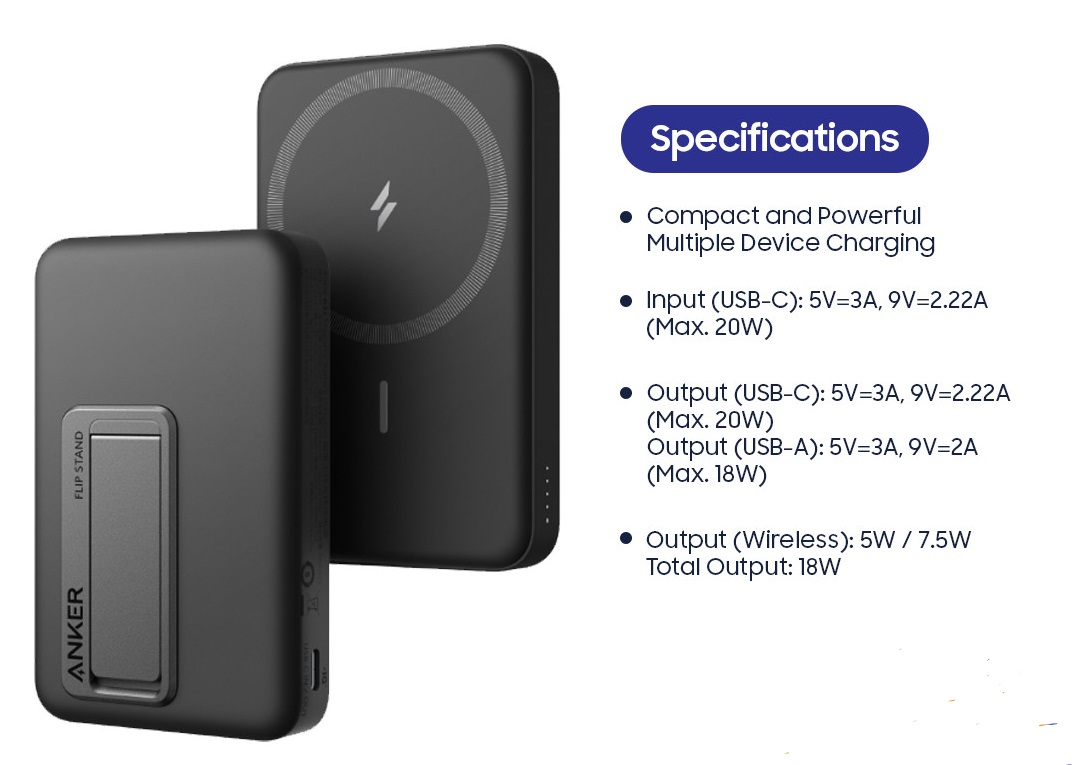
Make sure you know the charging specs too
Generally, you only have to scrutinise the power rating if you plan to use it for laptops, as they require higher voltages. For example, some of our writers own laptops rated at 19.5V/3.33A. In other words, a 5V/2A power bank intended for smartphones won't work here.
Devices that support fast charging protocols like Qualcomm Quick Charge or USB Power Delivery should also use the appropriate power banks. A standard one is fine, but a 20V/3A power bank will charge much faster than one rated at 5V/2A. Also, power banks with multiple charging ports may have different maximum power outputs for each port, so keep that in mind. Finally, use original or high-quality charging cables that are compatible with your device.
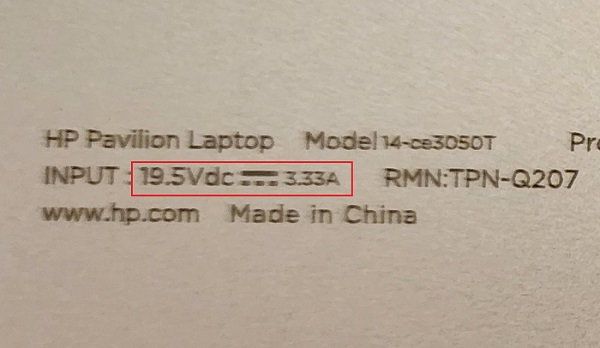
Laptops usually require more power to charge
For safety, always remember to buy power banks certified internationally or locally. You'll want to look for certification marks like CE, FCC, RoHS or SIRIM. These certifications indicate that the product has been rigorously tested and meets safety and quality standards. In contrast, avoid power banks with extremely low prices or from unknown brands. Those may have poor (or zero) quality control and thus are not safe for regular use.
Safety tips
Avoid charging the power bank for too long. Once it's fully charged, disconnect the power supply to prevent overcharging. Remember to store power banks in a cool and dry environment when not in use. Also, never leave the power bank in a hot car or charge it outdoors under direct sunlight.
Finally, check the condition of your power bank regularly. If you find the shell cracked or the battery swelling, stop using it immediately and dispose of it properly. When not in use for extended periods, it's recommended to keep the power of the power bank charged to around 50% capacity to extend its battery life.
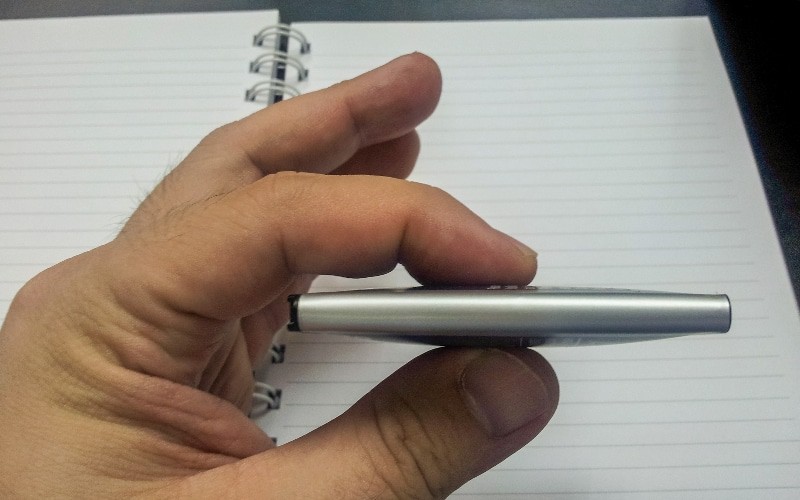
When you see swelling like this, don't use the power bank (photo from Carisinyal)
Where and what power banks should you get?
As you can tell, regular smartphone users can grab any certified off-the-shelf power bank, unless you're shopping for one to use with a laptop. We suggest getting power banks from Anker, Baseus, Belkin, Pineng, Ugreen, or Yoobao. These are well-known brands easily found at electronics stores in Malaysia, with a wide variety catering for different types of devices.
If you prefer shopping online, you can visit some of the links below:
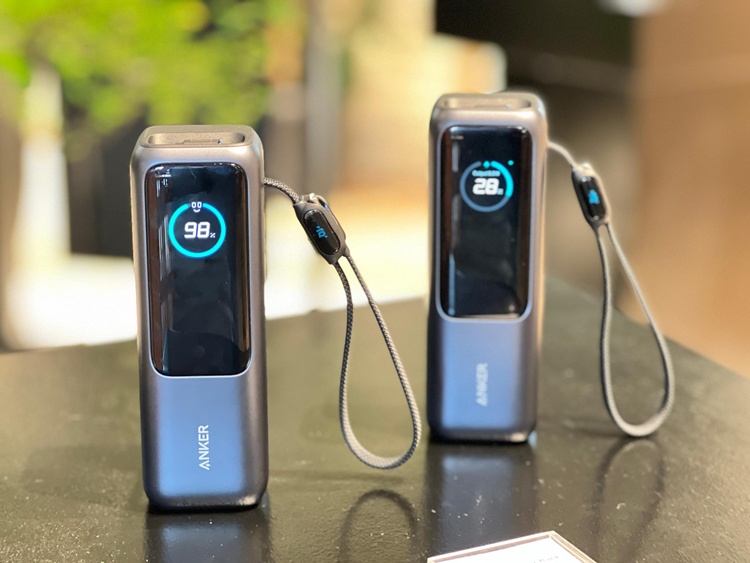
Anker has some nice power banks, like this one released in March
Buying a power bank may seem simple, or a no-brainer, but it's not always that straightforward if you plan to use one long-term. Please remember not to continue using a damaged power bank (cracked or swollen) as the results can be bad regardless of whether you're on a flight or not.
It's also important to know how to dispose of them properly when the time comes. By the way, that could be our next topic for power banks, so let us know if you'd want to know more.
In the meantime, let us know what you thought about this article. And as always, stay tuned to TechNave for more news and articles on mobile gadgets.

COMMENTS