
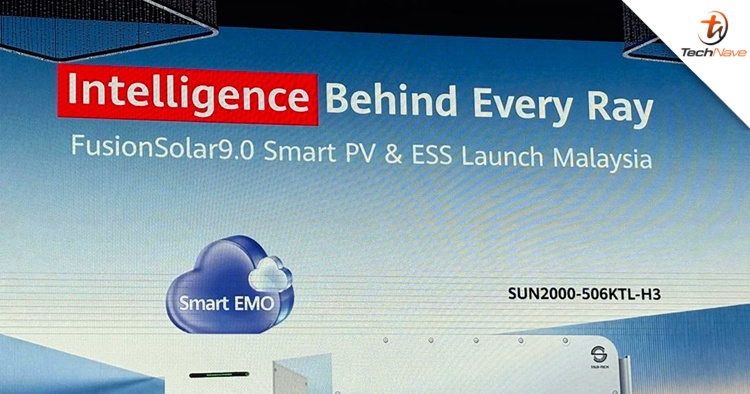
Huawei Digital Power unveiled its latest FusionSolar 9.0 Smart PV and ESS solution in Malaysia, signalling a shift from conventional solar deployments toward intelligent, AI-driven energy infrastructure. The new system is designed to improve grid stability while supporting the country’s transition to more resilient and sustainable energy systems.
Launched under the theme “Intelligence Behind Every Ray”, the event gathered industry leaders and featured multiple speakers from across the green technology sector, reflecting growing momentum in Malaysia’s renewable energy push.
Industry-First Technologies for Next-Gen Solar
FusionSolar 9.0 introduces several notable breakthroughs, including what Huawei claims is the world’s first grid-forming string inverter and the first 1000Vac photovoltaic system. The platform is also capable of supporting up to 11MW PV arrays, targeting utility-scale and large commercial and industrial deployments. These advancements are aimed at addressing key limitations of traditional solar systems, particularly in grid stability and scalability, as energy networks become increasingly complex.
AI-Powered Operations and Autonomous Energy Management
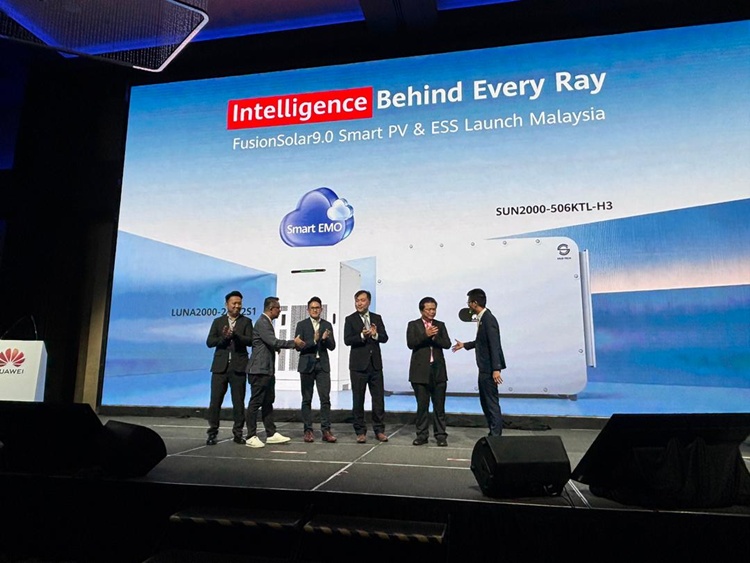
A major highlight of the system is its integration of artificial intelligence, enabling autonomous plant operations with minimal on-site manpower. This is particularly useful for challenging environments such as mountainous regions, floating solar farms, and remote island installations.
Each installation is equipped with self-optimisation capabilities, allowing it to dynamically adjust performance and improve efficiency over time. This shift toward automation reflects a broader industry trend of reducing operational complexity while maximising output.
The solution is complemented by Huawei’s LUNA2000-241 energy storage system, which enhances energy dispatch and overall system efficiency. With AI-enabled scheduling, the platform can deliver up to 20% higher energy yields while achieving a round-trip efficiency of 91.3%.
It also supports seamless switching between on-grid and off-grid modes, helping reduce downtime and operational risks. Combined with safety features aligned with international standards, the system is designed for reliable performance across a wide range of industrial use cases.
Supporting Malaysia’s Energy Transition Goals
Huawei highlighted that innovations like FusionSolar 9.0 are aligned with Malaysia’s long-term energy ambitions, including targets outlined in the National Energy Transition Roadmap. The renewable energy sector is expected to play a major role in economic growth, contributing significantly to GDP while creating hundreds of thousands of green jobs by 2050.
Beyond performance gains, FusionSolar 9.0 is also positioned as a cost-efficient solution over its lifecycle. The system improves energy output by around 1% while enhancing fault detection rates by more than 50%, enabling smarter and more predictive maintenance.
Over a 25-year period, these improvements can translate into substantial operational savings, with estimates of up to USD300,000 in reduced costs. The result is a more reliable and financially sustainable solar infrastructure for energy providers and investors navigating an increasingly complex energy landscape. Stay tuned for more trending tech news at TechNave.com.




COMMENTS