

So recently, Apple hosted us at its Durability Lab in Singapore. This was not a showroom or a marketing exercise, but rather the lab exists to recreate real-world abuse in a controlled and repeatable way, allowing Apple to stress components over and over again in a short period of time.
Long story short, the biggest takeaway was not about fixing products when something goes wrong, but about designing them so they never reach that point in the first place. Walking through the lab, it became clear that Apple’s obsession with detail, integrity, and reliability is deeply embedded in how its hardware is developed, long before a product ever reaches consumers. If you want to know more, read on below!
A Closer Look at iPhone Camera Module Testing
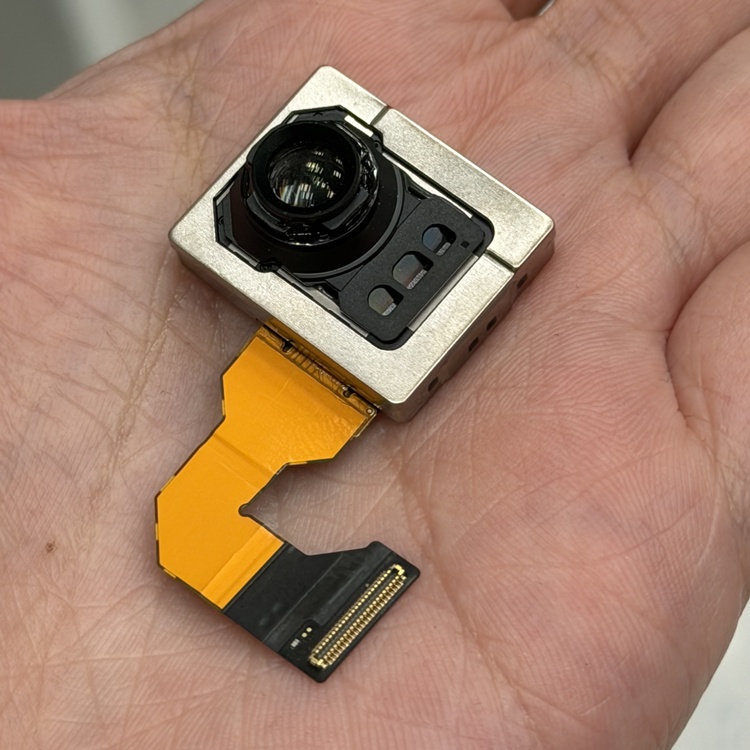
It's an iPhone camera module!
During the visit, we saw Apple's durability testing for iPhone camera modules. These are small, tightly packed components, yet they are exposed to constant stress through drops, heat, humidity, and long-term usage. Apple runs multiple accelerated tests to simulate years of real-world wear in a fraction of the time.
The shock tester applies sudden force far more intense than a typical drop, delivering impacts of up to 10Gs. The camera module is placed inside a cube-like rig that repeatedly strikes it to assess how much shock it can absorb before failing. This helps Apple identify structural weaknesses early in the assembly process.
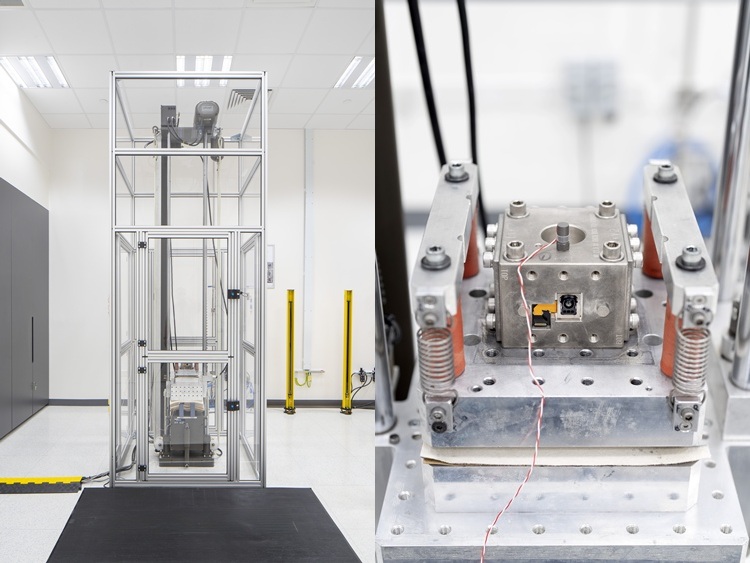
The Shock Tower
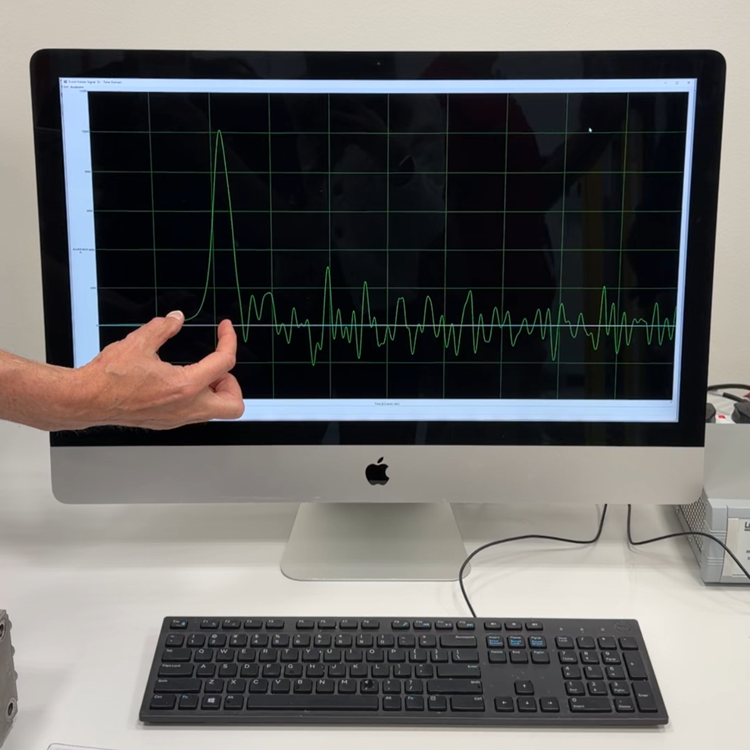
Readings from the Shock Tower
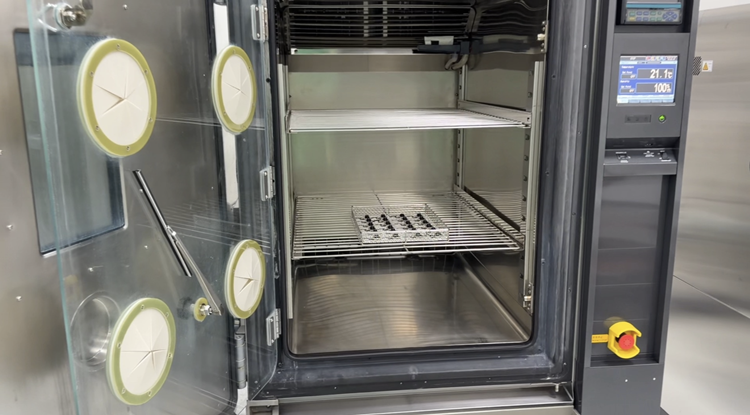
Modules placed in the Heat Soak machine
Heat soak testing exposes the camera modules to sustained high temperatures to reveal long-term weaknesses, particularly relevant for regions with consistently hot climates. Thermal cycling takes this further by rapidly switching between heat, humidity, and temperature extremes. This allows Apple to observe how different materials expand, contract, and interact with each other, accelerating corrosion and exposing durability issues that might otherwise take years to appear.
Another test that stood out was the pressure cooker test, which combines heat, humidity, and pressure to stress electrical connections within the camera module. Apple explained that a single test cycle here can be equivalent to years of usage, making it one of the most aggressive ways to uncover potential failure mechanisms such as corrosion or delamination.
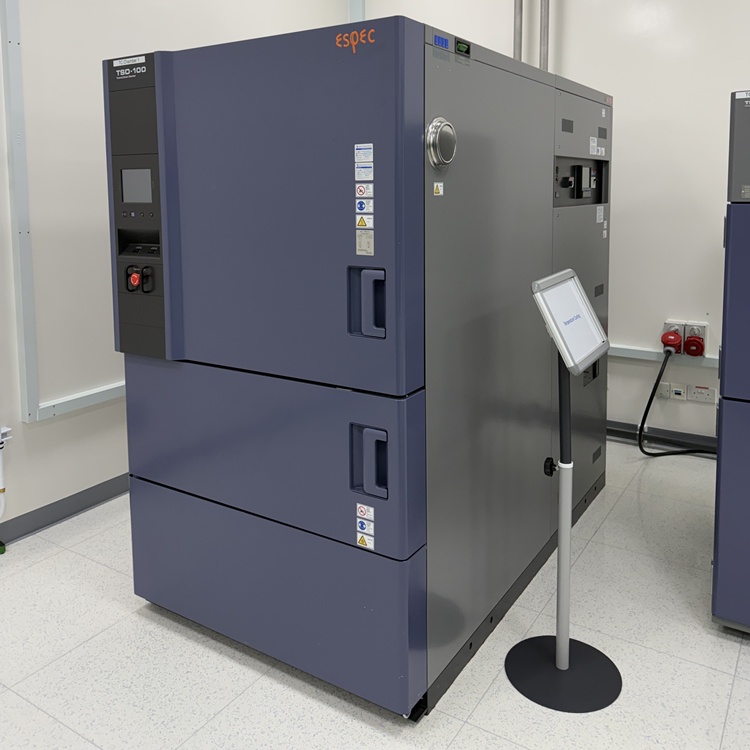
Thermal Cycling
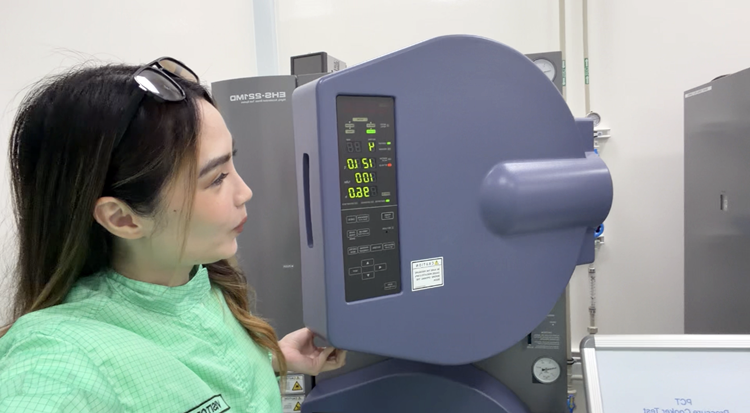
The outside buttons of the Pressure Cooker Test
The Test With the Least Technical Name
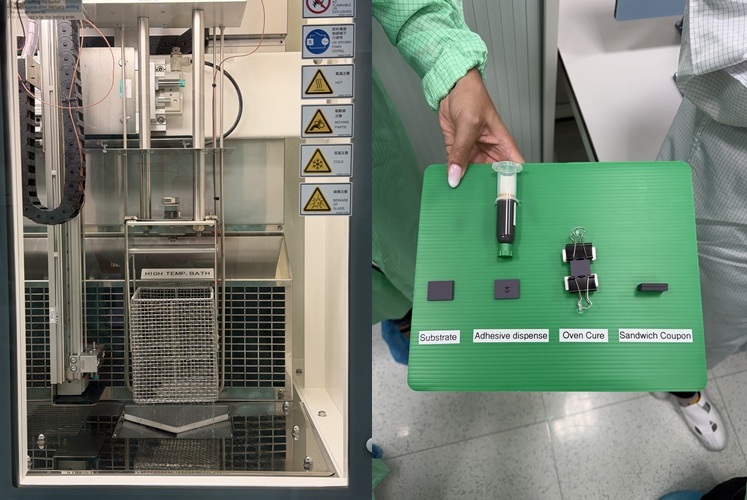
Materials adhesives (right) for the "Deep Fryer" Basket (Liquid Thermal Shock, left)
One of the more memorable moments came from what we jokingly referred to as the “deep fryer,” but it is officially known as Liquid Thermal Shock testing. In this test, materials and adhesives are repeatedly dipped into hot and cold liquids back to back. The extreme temperature changes are far harsher than air-based testing and are designed to see how well materials stay bonded under severe stress. This method quickly exposes weaknesses in adhesives and material interfaces, helping Apple identify potential problems far faster than traditional testing approaches.
What This Says About Apple’s Hardware Philosophy
Stepping back, the message Apple wanted us to take away was clear. The company is less concerned with asking whether something can be repaired and more focused on preventing failures from happening at all. The durability lab is about integrity in design and accountability to the user experience, Apple's promises.
Seeing these tests firsthand reinforced how much effort goes into making sure iPhones can survive the realities of everyday use. From repeated shocks to years' worth of heat and humidity compressed into test cycles, this behind-the-scenes look showed how Apple validates reliability long before a product launch.
But what do you think? Do let us know on our social media pages, and do stay tuned for the latest tech news only at TechNave.com.



COMMENTS