
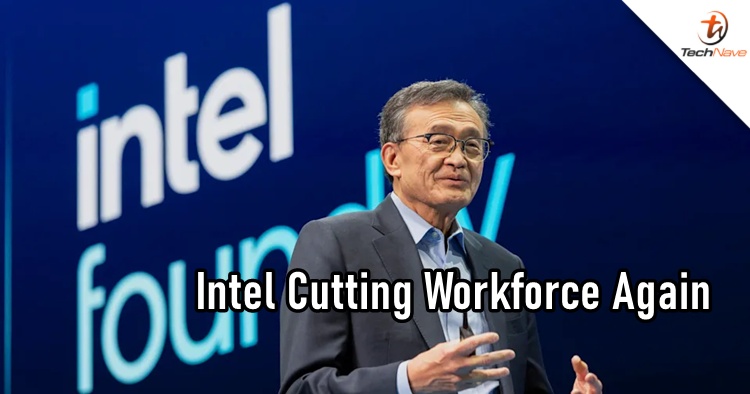
In yet another unfortunate piece of news, Intel has confirmed plans to reduce its core workforce from around 99500 to approximately 75000 employees by the end of 2025. That's roughly a 15?% cut under a sweeping restructuring spearheaded by CEO Lip?Bu Tan.
Q2 Financials: Revenue Steady, Losses Deepen
Intel reported $12.9 billion in second?quarter revenue, slightly ahead of expectations. However, losses were steep—an adjusted net loss of $441 million, or 10 cents per share, missing forecasts of a modest gain. A substantial $1.9 billion of restructuring charges weighed heavily on the quarter’s results.
CEO Lip?Bu Tan, who took the helm in March 2025, is accelerating a major transformation. He is targeting layers of middle management and duplicated functions, aiming to shift Intel toward an engineering?first culture focused on core products and AI development. The goal: simplify operations, speed up innovation, and boost accountability.
As part of cost-cutting and consolidation:
- Intel will cancel plans for fabs in Germany and Poland and slow down construction at its Ohio site.
- Assembly and testing facilities in Costa Rica will be closed, with operations moved to Vietnam and Malaysia. More than 2000 engineering and corporate jobs will remain in Costa Rica.
- The automotive chip business and Intel’s RealSense division are being shuttered.
Workforce Reductions: Tens of Thousands Affected
This wave of layoffs follows two previous rounds:
- August 2024: ~15,000 jobs cut in a $10 billion cost?savings strategy under former CEO Pat Gelsinger.
- Early 2025: Another round targeting around 20?% of staff, especially in the Foundry division, starting in July. More than 10,000 workers were reportedly impacted, with limited voluntary or severance options offered.
Overall, Intel is expected to eliminate up to 24,000 roles in 2025 alone, targeting about 75,000 core employees as part of its transformation plan.
Verdict: A High?Stakes Turnaround Play
Intel’s restructuring is nothing short of historic, eliminating nearly a third of its workforce while retreating from non?core assets and projects worldwide. CEO Lip?Bu Tan is placing big bets on flattening the organisation and refocusing on engineering and AI. If successful, this could mark the beginning of a revival for Intel’s innovation credibility, but the cost in jobs and strategic shifts is being felt across the globe.



COMMENTS