
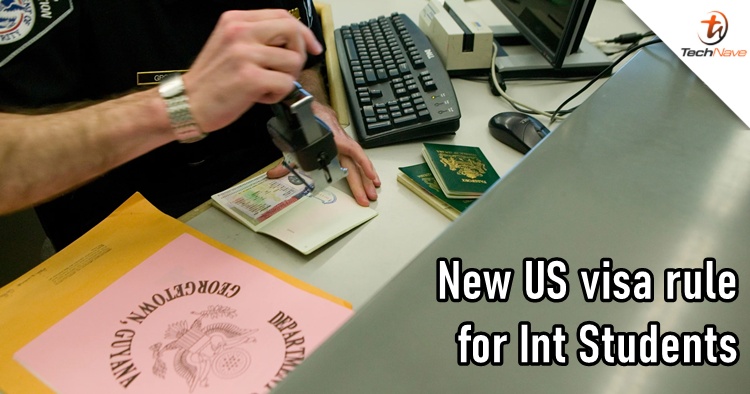
In case you missed the news, U.S. embassies and consulates have implemented a new requirement to enter the country. All applicants for F, M, and J non?immigrant visas must set their Facebook, Instagram, Twitter X and similar accounts to "public" for vetting.
Who is Affected
From the original source, the F, M, and J classes for international and cultural exchange students, as well as other non-immigrant applicants globally, are affected as mentioned. The reason why they must reveal is that Visa officers want to scan for “hostile attitudes” toward the U.S., including support for terrorism, antisemitic content, or other red-flag political views.
Effective immediately, all individuals applying for an F, M, or J nonimmigrant visa are requested to adjust the privacy settings on all of their social media accounts to ‘public’ to facilitate vetting necessary to establish their identity and admissibility to the United States… pic.twitter.com/PFTg8Os2x6
— U.S. Embassy London Consular (@USAinUKConsular) June 23, 2025
Not only that, but the students must also have five years’ worth of social media handles and activity, made accessible via public profiles. As for short tourism and business visits, they must register a Type B Visa, and they don't have to make their social media public.
Security Comes First, But At What Cost?
As you might have expected, the national security rationale is that the State Department frames visa interviews as “national security decisions,” with the policy revived under former President Trump's immigration agenda. However, critics, including civil liberties experts, warn that this invasive requirement discourages free expression and may penalise applicants for lawful political speech.
International Students' Reaction
According to sources, many students are scrambling to make their social media accounts "clean". Some are hiring professionals to scrub past activities related to mean posts about the US, and others are deleting entire accounts to avoid red flags.
Sources also report that there are early signs of Visa applications dipping and, universities are advising students to consider alternative campuses due to growing uncertainty. Visa appointments resumed in late June after a brief pause, but the enhanced intelligence screening has slowed processing and may lead to longer wait times.
So What Now?
With this visa shakeup, digital privacy and international mobility now collide. Students and exchange visitors, especially those from India, Ireland, the U.K., China, and elsewhere, must weigh the privacy trade-offs required by U.S. entry policy and start cleaning up their online social media profiles.

COMMENTS