
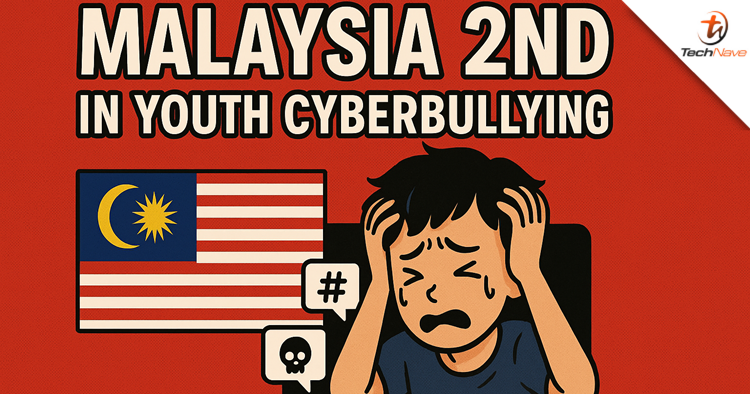
As Malaysia’s digital footprint grows, so does a darker trend: cyberbullying among children and teens is surging. According to the United Nations Children's Fund (UNICEF)'s report, Malaysia ranks 2nd in Asia (trailing only China in the region) and 5th globally for youth cyberbullying.
The Alarming Numbers
Between January and November 2024, the Malaysian Communications and Multimedia Commission (MCMC) logged 8339 complaints, averaging 27 cases daily. A UNICEF report and an Ipsos study also revealed that nearly 47% of parents knew a child in their community who had been cyberbullied, and 1 in 4 parents believed their own child had experienced online abuse.
Hidden Depression Unnoticed
The Star also reports that victims of cyberbullying are experiencing depression, withdrawal, and fear of using devices. A 12-year-old girl shared how TikTok comments about her skin tone left her ashamed, isolated, and afraid to go to school. Victims may also show subtle signs: fear of notifications, sudden mood shifts, or social withdrawal.
In addition, peer pressure and group conformity drive bullying behaviour, often masked as jokes. But as bullies often present a different persona offline, making it harder for parents to detect. Experts warn that digital abuse spreads faster and lasts longer, with harmful content lingering online indefinitely.
Legal Reforms in Motion
To combat this growing threat, Malaysia has introduced sweeping legal amendments:
- Penal Code & Criminal Procedure Code (Amendment) Acts 2025
- Enforced on 11 July, these laws introduce Sections 507B–507G, targeting: Threatening, insulting, or abusive communication, as well as doxing and emotional harassment
Section 507D(2) allows for up to 10 years’ imprisonment or fines if cyberbullying leads to suicide attempts.
- Communications and Multimedia Act (CMA) Amendments
- Effective 11 February, these updates impose: RM1 million fines for service providers broadcasting obscene or offensive content, and stricter penalties under Section 233 for individuals misusing network facilities
A Cultural Wake-Up Call
Psychologists suggest community service for young offenders to instil responsibility without stigmatisation — think cleaning places of worship or joining supervised outreach programs. However, such behaviours always start at home, where parents play a crucial role in teaching their children empathy and kindness. Stay tuned for trending tech news at TechNave.com.




COMMENTS