
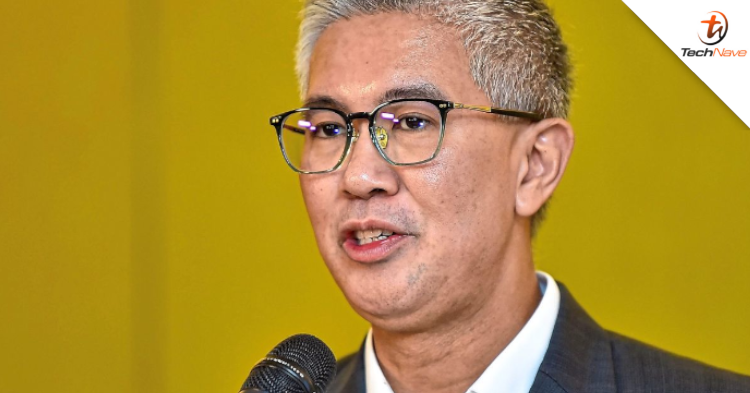
Malaysia’s Minister of Investment, Trade and Industry, Tengku Datuk Seri Zafrul Abdul Aziz, announced on 16 July 2025 that there is currently no evidence of smuggling involving high-performance U.S.-origin AI chips through Malaysia.
The statement comes amid growing international scrutiny over global chip flows and concerns about potential rerouting of restricted technologies to third-party countries.
Although there have been no confirmed violations, Malaysia has proactively implemented new export control measures under the Strategic Trade Act 2010.
These include a requirement for permits when exporting, transshipping, or transiting strategic items such as advanced AI chips. The move aims to ensure Malaysia remains compliant with international trade regulations and prevents potential misuse.
Cross-Agency cooperation with international stakeholders
According to the ministry, enforcement agencies including the Royal Malaysian Customs Department, the police, and the Malaysian Communications and Multimedia Commission (MCMC) are working closely with the United States government and major U.S. chip manufacturers.
This joint effort is part of a broader initiative to uphold the integrity of Malaysia’s export processes. Therefore, it is safe to assume that it will take some time for it to run smoothly
Zafrul confirmed that while there have been discussions about tightening regulations following increased demand for AI chips in Malaysia’s rapidly growing data centre sector, the country has not identified any incidents of illegal chip movement.
He assured that investigations are ongoing and that any proven violations would be met with appropriate action.
Malaysia’s data centre growth and tech sector oversight
Malaysia is fast becoming a regional hub for data centre infrastructure, driven by demand for AI processing capabilities. As a result, strategic technologies such as GPUs and AI accelerators are drawing heightened attention from both regulators and foreign governments.
These components are often subject to export controls due to their potential dual-use applications, especially in high-performance computing.
By implementing tighter controls, Malaysia is taking a precautionary approach to maintain its reputation as a trusted trading partner while continuing to attract foreign investments into its tech and digital infrastructure sectors.
Do you think Malaysia’s proactive approach will help balance economic growth with international compliance in the tech sector? As data centres and AI continue to expand locally, expect more updates on tech regulation.
Stay tuned to TechNave.com for more updates.






COMMENTS