
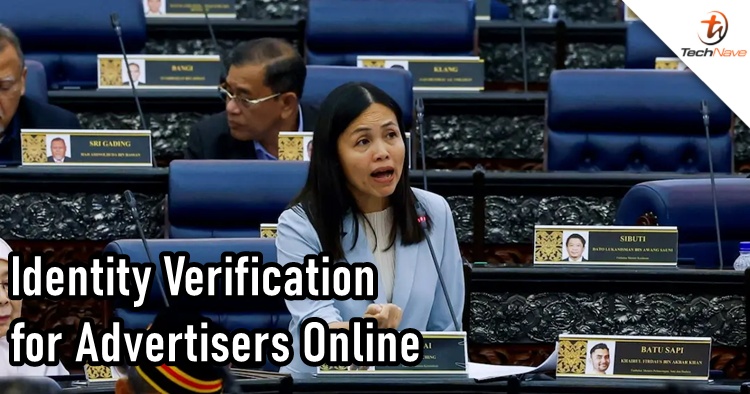
In a proactive move to combat the surge of online fraud, the Malaysian government is exploring legislation that would require advertisers on social media platforms to verify their identities, according to Deputy Communications Minister Teo Nie Ching.
Drafting a New Online Safety Code
The initiative falls under a broader framework currently being developed by the Malaysian Communications and Multimedia Commission (MCMC). The regulator is in the midst of drafting subsidiary legislation tied to an upcoming Online Safety Code. This framework aims to curb the misuse of digital platforms, particularly those used for scams, fraud, and other illicit content.
Teo explained in Parliament that the MCMC is actively studying policy models from countries like Singapore and Taiwan, both of which have already implemented similar advertiser verification mechanisms.
“This is the type of legislation we are studying. If we find it effective, we will incorporate it into the online safety code currently being developed,” she said during a parliamentary Q&A session on Wednesday.
RM800 Million in Scam Losses So Far in 2025
The urgency of the new regulations is underscored by the growing scale of online scams in Malaysia. In the first four months of 2025 alone, the MCMC removed more than 32,000 pieces of scam-related content, with fraud losses reaching nearly RM800 million, according to official government figures. As of July 15, that number had grown to over 46,000 takedowns.
Collaboration With Social Media Platforms
Teo also emphasised ongoing efforts by the government to work directly with major platforms, including Facebook, Instagram, TikTok, and Xiaohongshu. These collaborations are focused on the swift removal of scam content involving:
- Investment fraud
- Online gambling
- The sale of unregistered products
Despite these efforts, no platform has yet been prosecuted or penalised under Malaysian law for hosting scam-related ads. Teo explained that this is largely due to the legal ambiguity surrounding third-party content and the platform’s role in its dissemination.
Who’s Responsible: Platforms or Publishers?
The question of liability remains unresolved, particularly when it comes to user-generated scam ads. While platforms play a role in content distribution, the legal accountability for these postings is still being debated. This grey area is expected to be addressed as part of the ongoing legislative review.
What’s Next?
As digital scams continue to evolve, Malaysia’s regulatory approach appears to be following a more structured and proactive path, inspired by regional best practices. The upcoming Online Safety Code—once finalised—could mark a turning point in how digital advertising and content moderation are enforced across social media.



COMMENTS