
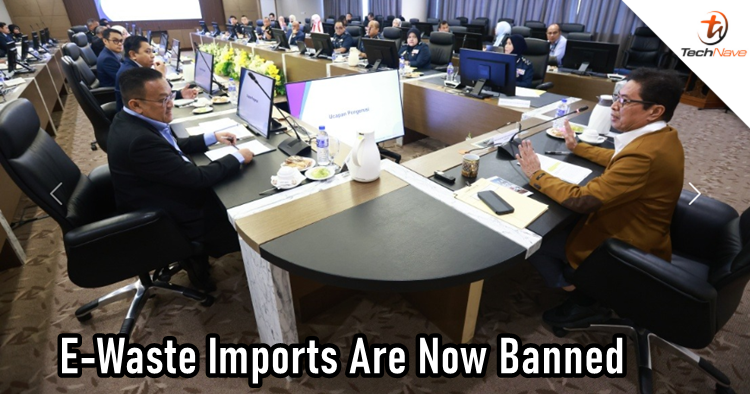
Malaysia has officially placed electronic waste (e-waste) under a complete import ban, effective immediately. The policy change, announced by the Malaysian National News Agency, classifies all e-waste as prohibited from entering the country under the Customs (Prohibition of Imports) Order 2023. This move marks a significant tightening of environmental regulations and reflects growing concerns over the improper handling and disposal of electronics.
Enforcement Task Force Approves Absolute Prohibition
The decision to ban e-waste imports was taken by the Special Task Force on the Direction of Enforcement Management of Plastic Waste and E-Waste Imports, led by the chief commissioner of the Malaysian Anti?Corruption Commission. During the task force meeting in Putrajaya, authorities agreed that all forms of e-waste must be classified under the Absolute Prohibition category, removing previous avenues for exemption and tightening import controls.
Under the previous regulatory framework, e-waste fell into a conditional category that allowed for discretionary exemptions by the director-general of the Department of Environment Malaysia. With the new designation, such exemptions are no longer permitted, and enforcement agencies across the country must ensure strict compliance with the ban.
Coordinated Enforcement to Curb Pollution Risks
As part of the policy rollout, a special enforcement committee will be formed to coordinate efforts across relevant agencies. This committee, chaired by the Commander of the Port Klang Malaysian Border Control and Protection Agency, is tasked with strengthening the systematic enforcement of the e-waste ban and reporting progress to the Special Task Force within one week.
Officials also called for detailed data to be compiled on the economic and operational impacts of plastic waste and e-waste sectors. The Ministry of Investment, Trade and Industry, along with waste management bodies and environmental agencies, will assess how these bans affect national revenue and industry needs while exploring longer-term policy options.
Environmental Goals Amid Rising Waste Challenges
Malaysia’s full ban on e-waste imports underscores a broader effort to tackle environmental degradation and promote sustainable waste management. E-waste, which includes discarded electronic devices and components, poses unique risks due to hazardous substances that can contaminate soil and water if not properly processed. By prohibiting imports altogether, authorities aim to reduce the burden on local recycling systems and encourage responsible disposal practices.
Industry observers note that this policy shift aligns with global trends in waste regulation, as countries increasingly restrict the cross-border movement of electronic waste to protect public health and the environment. Stay tuned for more trending tech news at TechNave.com.






COMMENTS