
Previously, we mentioned that Chinese AI companies could be using Malaysia to smuggle 15 hard drives.
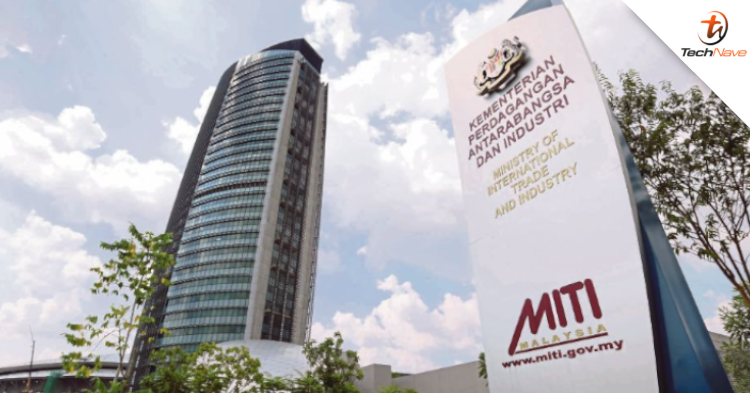
Now, Malaysia’s Ministry of Investment, Trade and Industry (MITI) is currently investigating claims that a Chinese company used locally rented servers equipped with Nvidia chips to train artificial intelligence (AI) models.
The operation reportedly involved the physical transfer of large datasets via hard drives to Malaysia earlier this year.
Pricing details of the servers or operations were not disclosed, but the case has brought attention to Malaysia’s role in the AI infrastructure supply chain and data center ecosystem.
Why Malaysia?
Malaysia continues to position itself as a regional hub for data center investments. While the government confirmed that AI-capable Nvidia servers are not restricted items under local laws, it reaffirmed its stance against any attempts to bypass international export controls.
Malaysia does not enforce unilateral sanctions but expects businesses operating within its jurisdiction to comply with applicable foreign export rules to avoid risks of secondary sanctions.
This neutral and pragmatic approach has made Malaysia an attractive location for multinational tech investments, even as geopolitical tensions increase globally. As the AI race intensifies, this incident shows that Malaysia is now firmly on the global tech radar.
Summary of the incident
- In March 2025, a group of engineers from China allegedly flew into Malaysia with several hard drives containing up to 80 terabytes of AI training data.
- They reportedly rented over 300 Nvidia GPU-powered servers at a local data center to carry out AI model training.
- A Malaysian shell company was allegedly formed with local directors to ease scrutiny.
- The project was coordinated over several months, raising concerns about export control evasion and data sovereignty.
What this means for Malaysia
Despite the ongoing probe, MITI emphasized that Malaysia’s data center project pipeline remains strong and unaffected. Key players such as Microsoft, Google (via Pearl Computing), and Sunway Construction continue to expand in the country.
Recent announcements include:
- A RM1.16 billion cloud computing infrastructure contract linked to Microsoft and local tech firms.
- A separate RM1.01 billion data center development in Port Dickson.
Analysts also expect Malaysia’s semiconductor and cloud sectors to experience steady growth through 2026, with increased demand for AI infrastructure across Southeast Asia.
Do you think Malaysia’s neutral policy on international sanctions will continue to attract tech investments, or could it trigger stricter oversight in the future?
Stay tuned to TechNave.com for more updates.



COMMENTS