
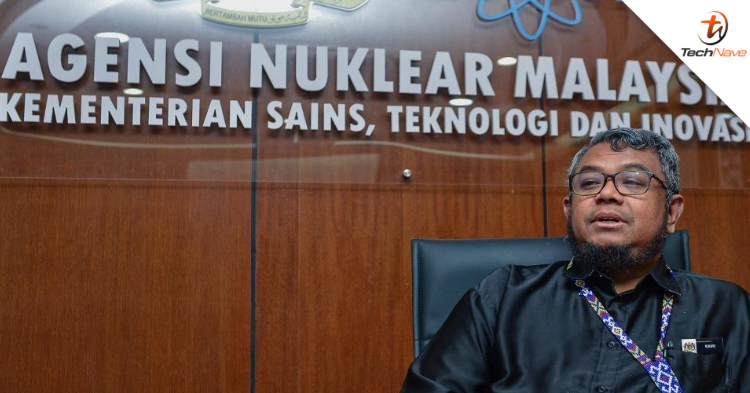
Malaysia has sharpened its focus on nuclear technology under the WNM 2030 (Wawasan Nuklear Malaysia 2030) strategy. The newly outlined roadmap aligns closely with the National Nuclear Technology Policy 2030 (DTNN 2030). So, what should you know about it?
A renewed look at nuclear for Malaysia’s future
For your information, WNM 2030 presents a unified blueprint for Nuklear Malaysia’s operations from 2021 to 2030, detailing strategic pillars, initiatives, performance metrics, and target outcomes. It builds upon the DTNN 2030 roadmap, which was launched in September 2023.
Moreover, Nuklear Malaysia aims to support Malaysia’s goals in innovation by embedding nuclear technology more deeply into sectors like healthcare, agriculture, industrial machines, environmental monitoring, and regulatory safety.
Under DTNN 2030, the government projects a 40 percent increase in the application of nuclear technology across key fields and an export value target of RM2.4 billion in nuclear-related technologies by 2030.
At the same time, Malaysia remains cautious about committing to large nuclear power plants. Deputy Prime Minister Fadillah Yusof noted that any decision on power generation would likely come after 2030.
For now, the government is taking preparatory steps: conducting feasibility studies, engaging external partners from France, South Korea, China, the United States, and Russia, and establishing frameworks for regulation, safety, and public acceptance.
Navigating challenges and building public trust
A major hurdle in Malaysia’s nuclear ambitions is public perception. Many are still wary due to high-profile nuclear accidents overseas. To counter this, a dedicated outreach task force will coordinate education and transparent communication efforts.
On the regulatory side, all nuclear applications must operate under Malaysia’s Atomic Energy Licensing Act 1984 (Act 304), which governs licensing, safety oversight, and liability. The renamed regulatory body, Atom Malaysia (formerly the Atomic Energy Licensing Board), oversees enforcement of these standards.
Malaysia is also seeking to integrate its nuclear agenda with its sustainability commitments. Nuclear is considered a low-carbon energy option to help meet increasing energy demand with stable baseload power, which could underpin data centres, AI infrastructure, and other tech-driven industries.
If you are following how Malaysia is leveraging nuclear technology as an enabling base for future tech growth, this roadmap is worth tracking. Could WNM 2030 help Malaysia build data centres powered by low-carbon nuclear or support high-performance computing clusters in the future? Let me know what you think!
Stay tuned to TechNave.com for more updates.




COMMENTS