
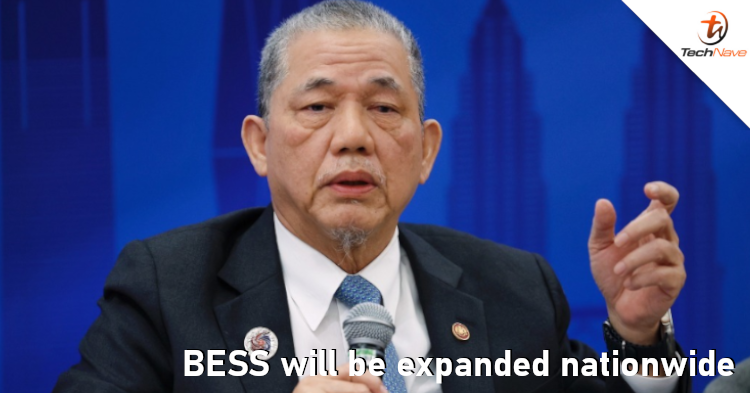
Battery Energy Storage System (BESS) projects are being expanded across Malaysia, with new tenders opened in several locations in Peninsular Malaysia. The move comes as the country continues to scale up renewable energy adoption, especially solar power, which requires stronger grid balancing support.
The government is focused on improving the grid stability
According to reports, the government is focusing on improving grid stability as more intermittent energy sources are introduced into the national power mix. This expansion is part of ongoing efforts to ensure the electricity supply remains stable even as renewable energy capacity grows.
Deputy Prime Minister Datuk Seri Fadillah Yusof said the increasing number of solar projects has made battery storage systems more important for managing energy flow. He noted that while solar energy is a key part of the transition to cleaner power, it depends heavily on sunlight and cannot provide a constant base load supply on its own. He added that BESS helps distribute electricity more steadily based on demand patterns. This helps reduce fluctuations in supply and supports the overall stability of the grid.
Similar measures are being expanded to Sabah and Sarawak
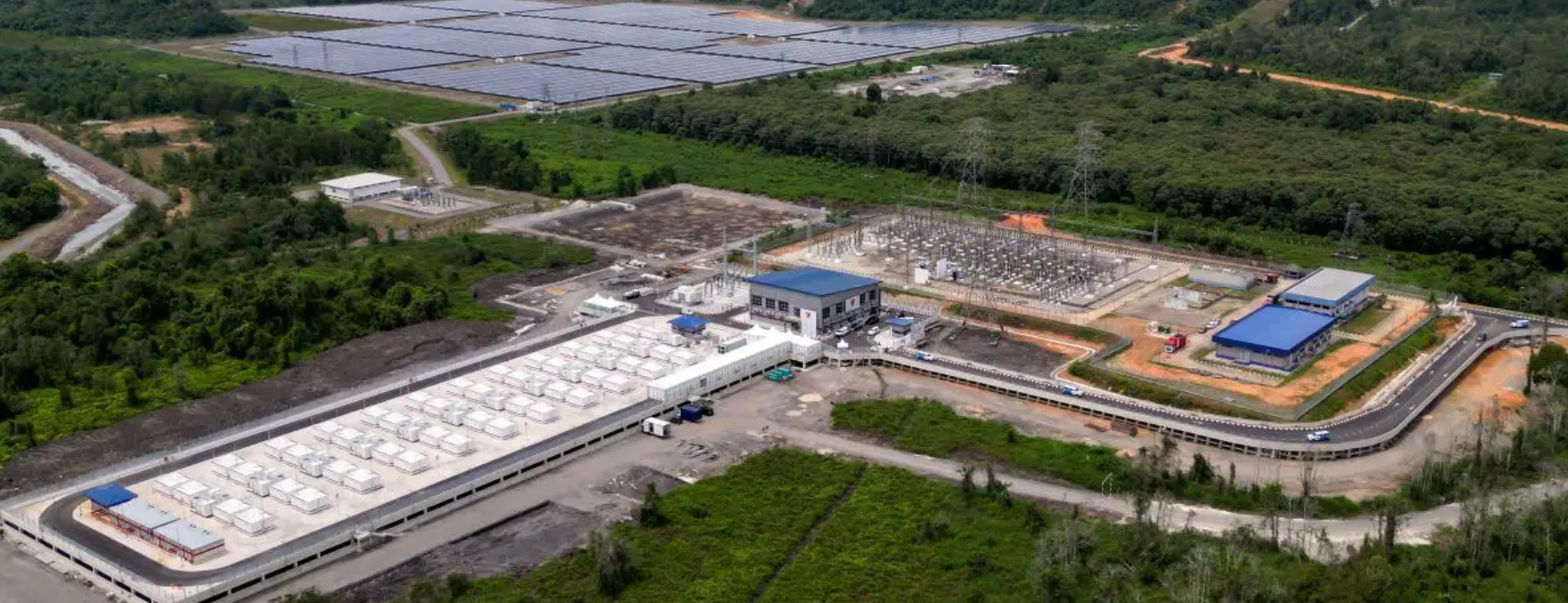
The government has already opened tenders for BESS projects in Peninsular Malaysia, with similar implementations being expanded to Sabah through Sabah Electricity Sdn Bhd and to Sarawak via Sarawak Energy Bhd. A 100-megawatt BESS project in Santong, Terengganu, was previously officiated and is expected to benefit around 40000 users on the east coast of Peninsular Malaysia.
Fadillah also mentioned that all Large Scale Solar (LSS) projects currently being tendered will include battery storage components. This integration is aimed at ensuring renewable energy generation can be better managed and delivered according to real-time demand.
From a tech perspective, this shift signals a stronger push toward energy storage infrastructure in Malaysia, especially as renewable deployment scales up. Battery systems are becoming a key part of the power ecosystem, not just supporting solar farms but also stabilising national grid operations.
What's next for Malaysia?
As Malaysia continues expanding renewable energy, the role of battery storage is becoming more important in maintaining a stable and efficient power system. How do you think large-scale energy storage will shape the country’s future power reliability?
Stay tuned to TechNave.com for more updates.






COMMENTS