
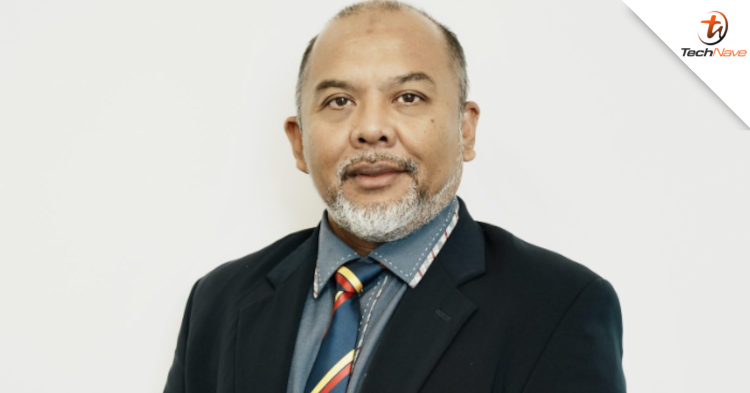
China is now at the forefront of wind turbine capacity development, the busiest container port, and deep-sea research. So, it is not surprising that China has managed to attract the interest of Malaysian robotics scientist, Professor Ir. Ts. Dr. Mohd Rizal Arshad. So, what should you know about it?
Why did he move?
For your information, he moved to China this year because he sees great opportunities in the field of marine robotics in China, which can change the future of natural resources. The increasing number of underwater structures and deep-sea exploration also has great potential for marine robot applications.
"The future is in the ocean," he said, emphasising the importance of developing technology to explore that potential. According to Prof. Rizal, the ocean is not just water, but will become humans' main source of drinking water, food, minerals, and wave energy.
A certified Malaysian great
Moreover, he has over 26 years of experience in control system research and robotics, including the development of unmanned submarines, floating robots and underwater crawler robots, and moved to China earlier this year.
Since last February, he has been appointed as Dean of the School of Robotics at Xian Jiaotong-Liverpool University, Taicang, Jiangsu region. Rizal plans to focus on developing underwater prototypes in Chinese waters. China, he said, offers a strong ecosystem to connect research with industry.
Is the future in China?
The country provides a fast track to translating research results into industrial applications, direct collaboration with the business sector in addressing real challenges, and easy access to prototype components.
This factor is what attracted him to China as a strategic destination for the development of marine robotics technology. With strong infrastructure and industry support, Prof. Rizal is confident that innovations in marine robotics will accelerate efforts to explore the ocean as humanity's "future resource".
For him, the ocean is not only a space for scientific study but an important field for ensuring the sustainability of global resources and technology.
Did this news catch your attention? Stay tuned for more news like this at TechNave!



COMMENTS