
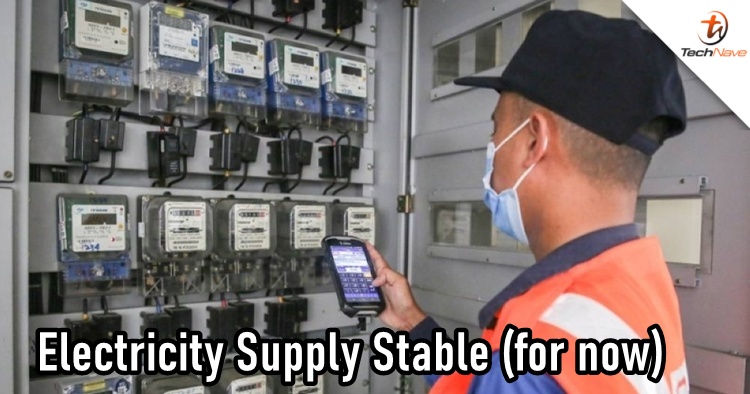
Malaysia’s electricity supply remains stable for now, but rising global fuel prices could eventually push tariffs higher, according to the country’s economy leadership. The update comes amid ongoing volatility in global energy markets, which is starting to impact local generation costs.
Rising Fuel Costs Are the Real Concern
The key issue is not power shortages, but the cost of producing electricity. Economy Minister Akmal Nasrullah Mohd Nasir said fluctuations in coal and gas prices are increasing the cost of electricity generation. Since Malaysia relies heavily on these fuels, any spike in global prices directly affects how much it costs to produce power. If these pressures continue, they could eventually be passed on to consumers through higher tariffs.
Malaysia’s energy mix remains largely dependent on fossil fuels, with coal accounting for about 54% of electricity generation and gas around 40%. This heavy reliance makes the country particularly exposed to global fuel price swings, especially as coal imports and gas supply fluctuate.
Demand Is Rising Due to Hot Weather
Electricity demand is also increasing, driven partly by hotter weather conditions. Higher usage of air conditioning in homes and businesses has pushed peak demand to new highs, adding further pressure to the system. The government noted that there is usually a delay before fuel price increases translate into higher electricity costs, meaning the impact may only be felt weeks or months later.
Despite the potential for higher tariffs, the government says safeguards are in place to protect most households. Around 85% of domestic users, particularly those with lower electricity usage, are currently shielded from additional charges under existing mechanisms. Authorities are also closely monitoring fuel stock levels and supply stability to ensure there are no disruptions.
What This Means for Consumers
For now, Malaysians are unlikely to face immediate power shortages, but the risk lies in future electricity bills. If global fuel prices remain high or volatile, tariffs could rise over time.
The government is encouraging energy-saving habits, such as reducing air-conditioning use and cutting unnecessary consumption, to help manage demand and limit cost pressures. Stay tuned for more trending tech news at TechNave.com.






COMMENTS