
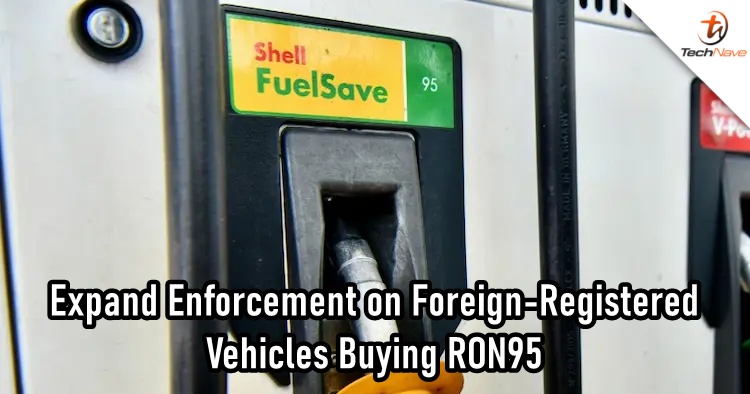
Now and then, we would read news about foreigners (particularly Singaporeans) buying our RON95 petrol. To enforce this, the Malaysian government is preparing new regulations that will extend enforcement against the purchase of subsidised RON95 petrol by foreign-registered vehicles, beginning on 1 April 2026.
The initiative was announced during a parliamentary session, where the Ministry of Domestic Trade and Cost of Living confirmed it is drafting changes under Section 6 of the Control of Supplies Act 1961 to strengthen existing fuel subsidy safeguards. Under the current framework, only petrol station operators can face penalties if they sell RON95 to foreign-registered vehicles, but the planned update will allow enforcement against individual owners, drivers, and purchasers as well.
Tighter Rules Aimed at Reducing Subsidy Abuse
Domestic Trade and Cost of Living Minister Datuk Armizan Mohd Ali said the expanded enforcement aims to curb ongoing subsidy leakage, particularly at petrol stations in border areas where cross-border purchases of cheap fuel have been a persistent challenge. Authorities intend to use sales data analysis to identify repeated purchases tied to individual identity cards to target enforcement action.
Since August 2010, Malaysian law has prohibited the sale of RON95 petrol to foreign-registered vehicles, a measure intended to prioritise the benefit of subsidised fuel for Malaysian motorists. The updated rules will build on this by explicitly making it illegal for the buyers themselves to purchase subsidised petrol for vehicles registered outside Malaysia.
Broader Monitoring and Enforcement Efforts
The new regulations are part of a wider strategy to reinforce control over petrol distribution and fuel subsidies. Engagement with petrol station operators and relevant stakeholders is underway to finalise protocols before the April implementation date.
In addition to extending penalties to purchasers, authorities are also highlighting existing measures, such as inspections to ensure compliance with identity card verification systems and limits on fuel purchases outside vehicle tanks without permits. Integrated enforcement operations with police, customs, and border agencies are planned to strengthen compliance and reduce smuggling and abuse.
The Bottomline
If finalised, the new rule will shift some responsibility for fuel subsidy enforcement directly onto drivers and owners of foreign-registered vehicles, making them legally accountable for improper RON95 purchases. This reflects Malaysia’s broader transition from blanket fuel subsidies to a targeted system, where only eligible local motorists benefit from discounted petrol prices.
As the government moves toward implementation, motorists and businesses operating near border regions are likely to see more rigorous monitoring and enforcement at petrol stations. Stay tuned for more trending tech news at TechNave.com.

COMMENTS