
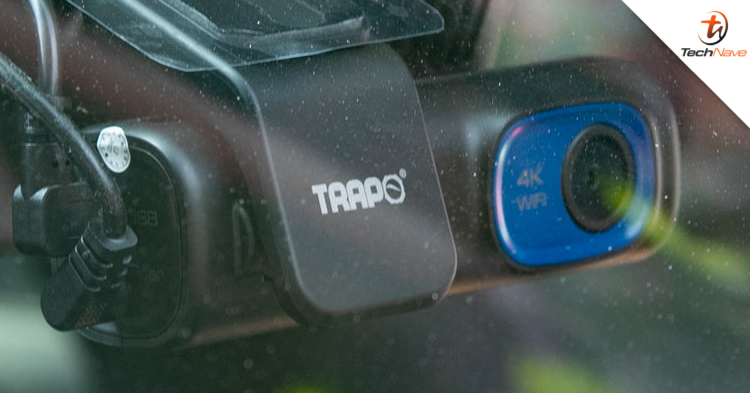
Malaysia is set to introduce a new safety measure requiring dashcams in buses, lorries, and other public transport vehicles, with implementation expected in the first quarter of 2026.
This initiative, led by the Land Public Transport Agency (APAD), aims to enhance monitoring and accountability on the road. Currently, only GPS units are mandatory for these vehicles.
Why now?
The push for mandatory dashcams follows a fatal tour bus accident in Gerik on 18 July 2025 that claimed the lives of 15 Universiti Pendidikan Sultan Idris (UPSI) students and injured 33 others.
The vehicle involved lacked both a dashcam and GPS, making it difficult to determine the exact circumstances of the crash. Investigators later relied on footage from another vehicle, which indicated the bus was likely traveling at approximately 117.6 km/h—well over the 60 km/h speed limit in that area.
In addition to the dashcam proposal, the Ministry of Transport has announced that speed limiter devices (SLDs) will become mandatory for heavy vehicles starting in 2026.
The Road Transport Department (JPJ) also began enforcing seatbelt regulations for drivers and passengers of express and tour buses on 1 July 2025. Failing to comply can lead to fines of up to RM300, and both drivers and operators could face legal action.
What this means for travelers and operators
The new rules are expected to significantly improve enforcement and post-incident investigations. While GPS systems provide tracking data, dashcams offer visual evidence that can be critical during accidents, road rage incidents, or legal disputes.
JPJ has acknowledged the usefulness of dashcams and is considering making them a standard requirement alongside existing GPS rules.
Public sentiment appears supportive of this direction, especially in light of recent tragic events. Many believe that equipping commercial vehicles with dashcams, speed limiters, and data recorders is essential to improving road safety.
Impact on fleet operations
Transport operators may need to invest in dashcams costing between RM200 and RM500 per unit, depending on specifications such as 4G connectivity, GPS overlay, and automatic incident detection.
While this introduces an additional cost, it is relatively minor compared to the potential safety benefits and liability reduction.
Some operators may also need to update their fleets to support integration with other mandatory systems like speed limiters and seatbelt sensors.
Do you think mandating dashcams will help reduce road incidents involving buses and lorries? Should this rule be extended to other types of commercial vehicles?
Stay tuned to TechNave.com for more updates.




COMMENTS