
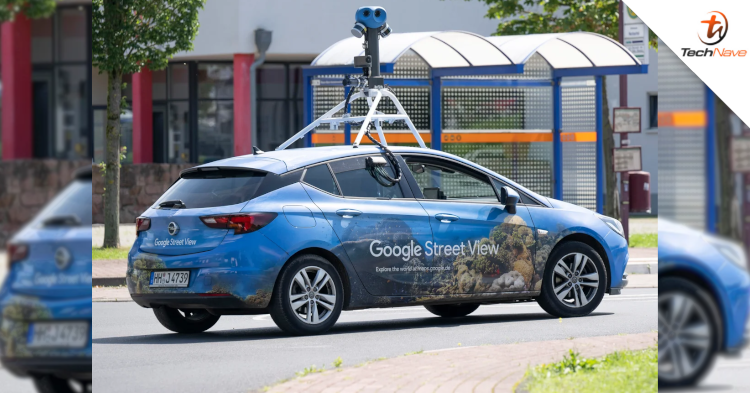
A man in Argentina has been awarded compensation of USD 12500 (approximately RM58300) after an image of him naked outside his home appeared on Google Street View.
The incident, which reportedly occurred in 2013, led to a legal case where the plaintiff argued that the image violated his privacy and caused psychological distress.
Case centered on image captured without consent
According to reports, the man claimed that he had been sunbathing in his backyard in Buenos Aires when a Google Street View camera car captured his image without his knowledge or consent.
The photo, which showed him in the nude, was later blurred by Google, but not before being seen online and allegedly shared among people in his local community.
After filing a lawsuit, the Buenos Aires court sided with the plaintiff. The court ruled that Google had failed to adequately protect the man’s privacy.
Although the tech giant blurred the image once notified, the initial exposure was deemed sufficient to cause reputational harm. The court emphasized that private areas, such as backyards, should not be included in images intended for public mapping services if doing so violates individual privacy.
The ruling awarded the man damages amounting to USD 12500 (around RM58300), a figure meant to cover emotional distress and loss of dignity. Google has not commented on whether it plans to appeal the decision.
What this means for digital privacy
This case adds to a growing list of legal actions involving tech platforms and privacy rights, especially in the era of high-resolution mapping and surveillance.
While Google Street View has helped users navigate the world virtually, it also raises questions about what counts as private space and who is responsible for protecting it.
In Malaysia, Google Street View is widely used for navigation and business listings. However, this ruling may prompt renewed discussions about local data privacy policies and whether similar protections exist under Malaysian law.
Do you think tech companies should be more proactive in preventing such privacy breaches, even if unintentional? Let us know your thoughts on digital privacy in the age of mapping and surveillance. Stay tuned to TechNave.com for more updates.






COMMENTS