
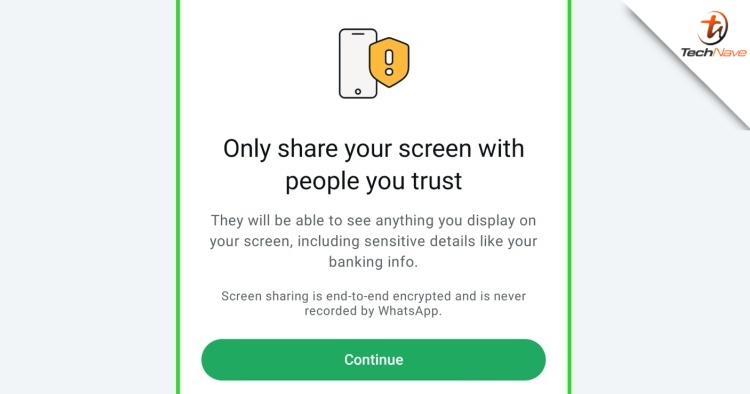
In a recent update tied to Cybersecurity Awareness Month, Meta has announced a raft of new safety features specifically designed to help users — especially older adults — spot and avoid online scams. Simply dubbed as an anti-scam tool, it will roll out to WhatsApp and Messenger.
Key Tools on the Platform
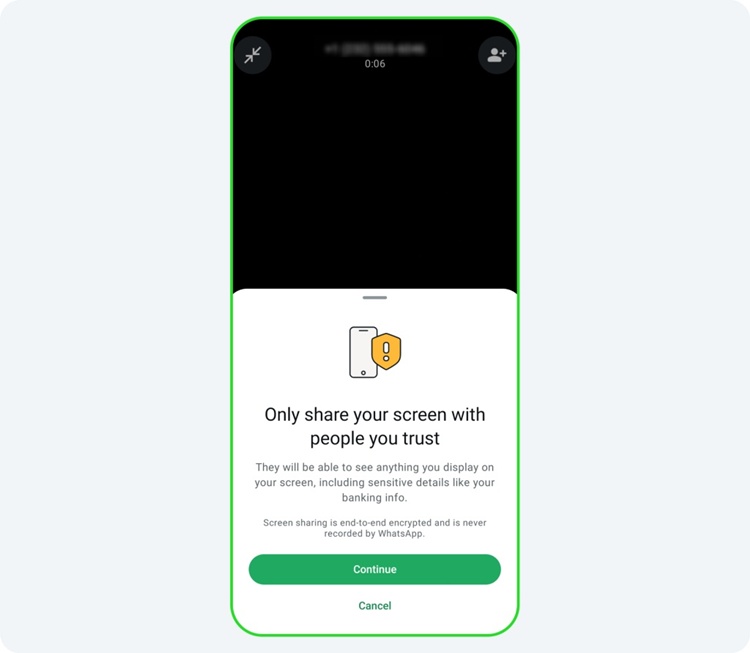
On WhatsApp, if a user attempts to share their screen during a video call with an unknown contact, a real-time warning now pops up. This is designed to counter scam techniques where someone forces victims to reveal bank details, verification codes or other sensitive information via screen-sharing.
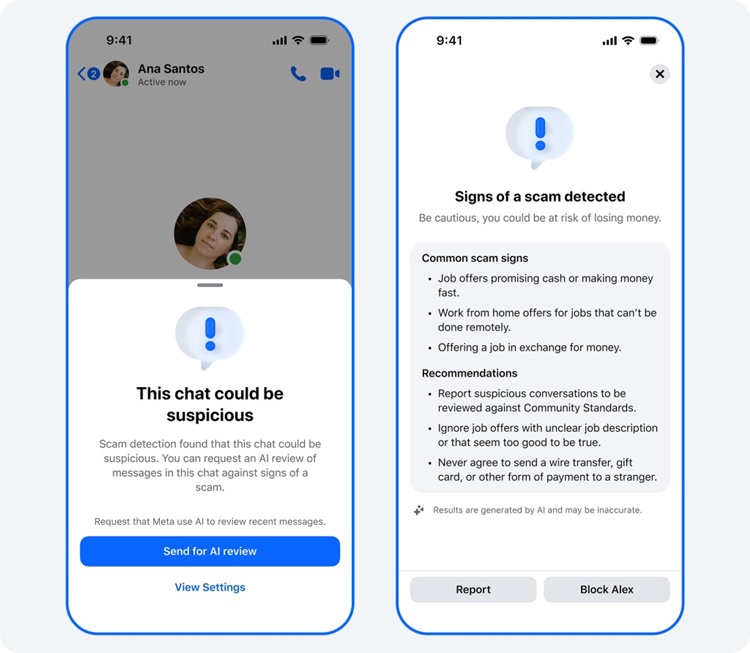
On Messenger, Meta is testing an AI-driven detection system. When a new contact sends a message that appears suspicious, the app can trigger a warning. Users may also be prompted to send their recent chat history for a “scam review” by the system. If flagged, the user receives actionable options (block, report) and educational content about what kind of scam they might be facing.
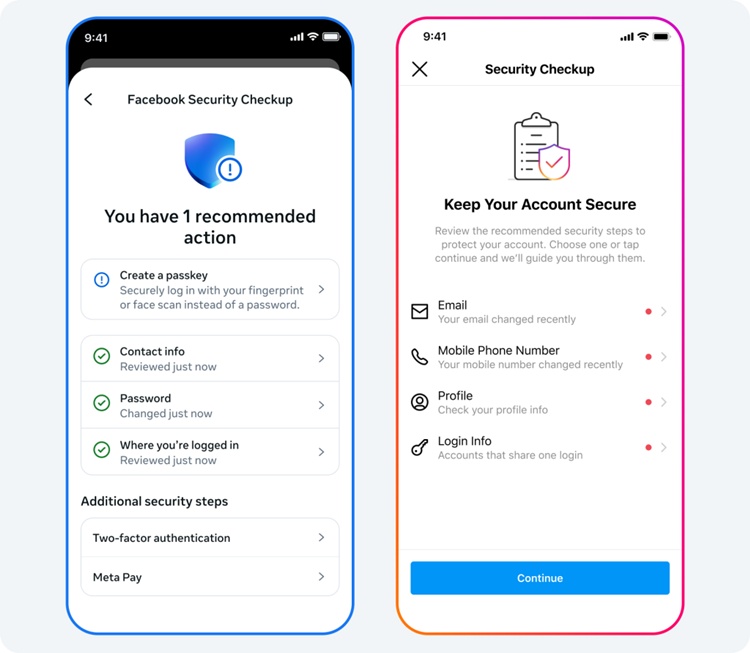
Across its apps (Facebook, Instagram, WhatsApp and Messenger), Meta is also rolling out improved authentication and security check-ups:
- Passkeys: Users can now sign in using device-based authentication – fingerprint, face recognition or PIN – removing reliance on easily-guessed passwords.
- Security/Privacy Checkups: On Facebook and Instagram, users are nudged to review account settings and strengthen security (passwords, login alerts). On WhatsApp, a “Privacy Checkup” guides users to configure group?add permissions and other critical privacy settings.
Why It Matters
Scammers increasingly use granular techniques — social engineering, impersonation of support staff, screen-sharing, unknown contacts in chats — and older adults are among the most vulnerable targets. Meta notes it has already disrupted close to 8 million accounts linked with scam operations in 2025 alone.
By embedding proactive detection and user alerts into the platform rather than relying purely on user reporting, Meta is shifting from reactive to preventive. The new tools are designed to intervene before a scam causes harm or money loss.
Other Findings in the Report
Among the key findings, Meta revealed that since the beginning of 2025, it has detected and disrupted close to 8 million accounts on Facebook and Instagram tied to organised scam operations targeting a wide range of people—including older adults—via messaging, dating apps, crypto-services and across social platforms. The piece also references the Federal Bureau of Investigation’s 2024 Internet Crime Report, which found that Americans aged 60 and over lost a combined US$4.8 billion to fraud in 2024.
In summary, Meta’s October 2025 update underscores how older adults remain a major target for digital fraud, and emphasises a combined approach of education + platform tools + family involvement to help reduce risk. With scams evolving rapidly, such reminders and protections are increasingly important. Stay vigilant, stay safe, and stay tuned for more trending tech news at TechNave.com.



COMMENTS