
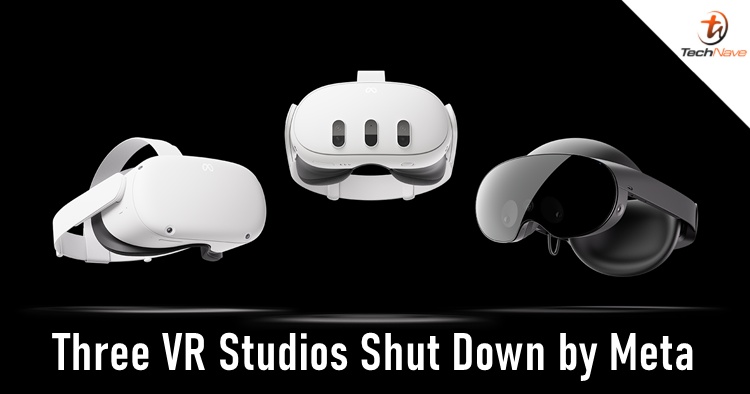
Looks like the metaverse isn't going smoothly. According to The Verge, Meta has closed three of its virtual reality game development studios, including Armature Studio, Sanzaru Games, and Twisted Pixel Games, as part of cuts within its Reality Labs division. The moves were confirmed this week during a broader round of layoffs affecting roughly 10% of Reality Labs staff, which reflects a strategic push to reduce costs and rethink investment in metaverse-related projects.
VR Gaming Teams Affected and Studio Legacy
The studios now shuttered were long-standing members of Meta’s VR ecosystem. Armature Studio was known for its work on titles like Resident Evil 4 VR before its closure in January 2026. Sanzaru Games, acquired by Meta in 2020, had built the Asgard’s Wrath franchise among other projects. Twisted Pixel, part of Meta since 2021, was behind VR titles such as Marvel’s Deadpool VR. Developers from these teams have shared on social platforms that the closures were sudden, with layoffs impacting employees across the affected studios.
Reality Labs Layoffs and Strategic Shift
The studio closures coincide with what Meta describes as a shift in focus away from ambitious metaverse and VR gaming projects toward wearables and artificial intelligence products. The company’s Reality Labs division, responsible for VR and AR development, including Meta Quest hardware and the Horizon Worlds platform, has struggled with adoption and significant financial losses over the past several years. Meta says the cuts and closures are designed to reallocate resources toward areas such as smart glasses and AI technologies that leadership believes will offer stronger growth in 2026 and beyond.
Impact on VR Content and Community
In addition to shutting studios, Meta says it will curb new content development for some content, such as the VR fitness app Supernatural. Support for existing versions will continue, but fresh updates and expansions are unlikely as resources are redirected. The changes represent a major shift in the company’s XR strategy and raise questions about the future of first-party VR gaming content on the Meta Quest platform.
What This Signals for the VR and Metaverse Landscape
Meta’s move highlights a growing trend of reassessment in the VR and metaverse space, where long-term investment has yet to translate into broad consumer adoption or profitability. For developers and enthusiasts watching the evolution of virtual reality, the closures may mark a critical turning point in how mainstream technology companies balance ambition with sustainable growth. Stay tuned for more trending tech news at TechNave.com.






COMMENTS