
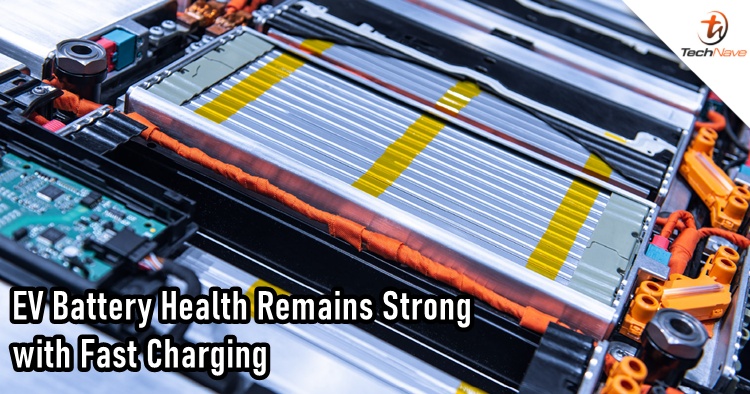
As electric vehicles (EVs) continue to rise, there are still some sceptics about the EV batteries being environmentally friendly. Well, Geotab has released updated findings from its latest EV battery health study, revealing that modern EV batteries continue to perform strongly despite increasing use of high-power fast charging.
Slight Increase in Average Degradation
According to Geotab’s updated research, the average annual battery degradation rate now sits at around 2.3%, up from 1.8% in the company’s 2024 analysis. This change largely reflects evolving charging habits, with more drivers and fleets relying on DC fast charging at higher power levels.
Despite this uptick, the overall results paint a positive picture for EV longevity. A 2.3% annual decline in capacity still suggests that many batteries will retain a significant portion of their health well beyond typical vehicle ownership or fleet replacement cycles.
The Charging Power Factor?
One of the clearest insights from the study is that charging power has emerged as the dominant factor in battery health outcomes. Vehicles that regularly use DC fast charging above 100 kW experience degradation rates approaching 3.0% per year, noticeably higher than the roughly 1.5% seen in EVs that primarily rely on AC or lower-power DC charging.
Climate also plays a role in how batteries age, with vehicles operating in hotter regions showing slightly faster degradation. However, this effect is smaller than that linked to charging power, and other operational factors show only modest impacts in comparison.
Balance Between Usage and Longevity
The Geotab study also suggests that strict day-to-day charging limitations might not be as crucial as once thought. EVs that spend time across a broad range of states of charge did not show significantly worse degradation unless they consistently stayed near full or nearly empty. Higher vehicle utilisation was associated with slightly more degradation, but this was generally balanced by the operational and cost efficiencies gained from keeping EVs in active service.
Geotab emphasises that understanding battery health through comprehensive telematics data gives fleet operators and individual drivers a better basis for planning charging strategies and deployment decisions. By focusing on charging power that aligns with operational needs, stakeholders can protect long-term battery performance without sacrificing vehicle availability.
To read the full report details, you can visit the official web portal of Geotab right here. Stay tuned for more trending tech news at TechNave.com.




COMMENTS