
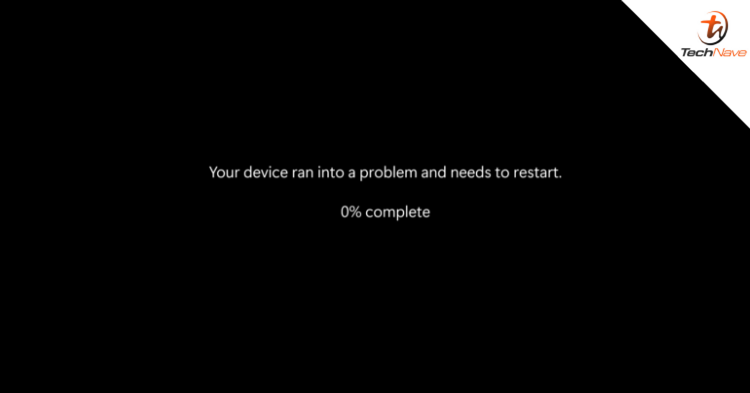
Microsoft is officially phasing out the iconic Blue Screen of Death (BSOD), a familiar sight for decades of Windows users.
Starting with the Windows 11 version 24H2 update, the system crash screen will now appear on a black background instead.
While the pricing and core features of Windows remain unchanged, this visual shift is part of a broader initiative to modernise how the operating system handles critical errors.
From blue to black: What’s new?
The new Black Screen of Death features a simplified design. The sad face icon has been removed, and the screen now displays a black background with a short error message and a progress indicator showing how far the system has advanced in the recovery process.
The updated screen still displays diagnostic error codes to assist with troubleshooting.
This change is part of Microsoft’s larger “Windows Resiliency” initiative, aimed at improving system stability and recovery in the event of crashes.
The company is working to make Windows more fault-tolerant by redesigning how it handles low-level failures, especially after high-profile incidents like the July 2024 global outage caused by a flawed CrowdStrike update.
Why it matters
The Blue Screen of Death has been a part of Windows since version 1.0 in 1985, making this change historically significant.
By removing the blue screen and opting for a more subtle black interface, Microsoft hopes to reduce user anxiety and streamline the recovery experience.
Additionally, Microsoft is decoupling third-party antivirus and endpoint protection software from the Windows kernel.
This aims to reduce the risk of widespread system crashes caused by faulty security updates—like the one that disrupted hospitals, airports, and financial systems during the 2024 incident.
Future versions of Windows will also feature “Quick Machine Recovery,” a tool that helps reboot systems faster after crashes and improves diagnostics.
A small change with big implications
Although the color change might seem minor, it reflects a deeper effort by Microsoft to modernize its operating system and build user trust.
For users in Malaysia and globally, the redesigned error screen may result in a smoother, less alarming crash experience, especially in enterprise environments where system stability is crucial.
At the same time, Windows users will still have access to important error details, preserving the system’s ability to support IT troubleshooting and technical support workflows.
What do you think of the new Black Screen of Death in Windows 11? Will it make system crashes less stressful, or is it just a cosmetic change? Stay tuned to TechNave.com for more updates.


COMMENTS