
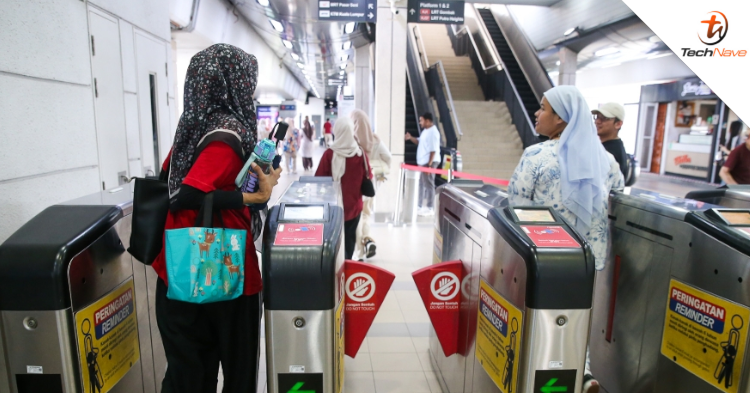
Commuters in Malaysia may soon be able to use credit cards, debit cards, QR codes, and mobile wallets to tap in and out of Rapid KL trains and buses. According to Prasarana Malaysia Berhad, the project is currently in the award stage, with implementation expected to roll out in phases after the contract is finalised.
For years, Rapid KL users have relied mainly on Touch ‘n Go cards or single-use tokens for public transport payments. The upcoming open payment system could change that by allowing more flexible cashless payment options across rail and bus services in the Klang Valley.
Open payment system coming to Rapid KL
Prasarana confirmed that the current Automated Fare Collection (AFC) system was built around the Touch ‘n Go ecosystem since 1999. While it has supported daily commuters for decades, the infrastructure was developed before contactless banking cards and mobile wallets became common.
Because of that, users today still cannot directly tap into Rapid KL rail services using Visa, Mastercard, Apple Pay, Google Pay, Samsung Pay, or QR payments. Instead, passengers need to either buy a token or use a Touch ‘n Go card to enter stations.
Prasarana says the new open payment system will eventually support:
- Credit cards
- Debit cards
- QR code payments
- NFC-based mobile wallets
- Contactless payment systems
The company also confirmed that the feature will cover rail services such as MRT, LRT, Monorail, and BRT, alongside Rapid KL buses and MRT feeder buses.
Bus Services Could Receive the Upgrade Earlier
Interestingly, the rollout timeline for buses appears to be faster than that of rail services. According to Prasarana, the open payment system is expected to be fully available within:
- 15 months for bus services
- 30 months for rail services
The rollout will happen in phases once the project award process is completed.
At the moment, Rapid KL buses only accept Touch ‘n Go cards and Rapid KL cards, while cash payments have already been phased out since 2019. QR payments are also still unavailable for direct bus boarding, except for selected app-based services like Rapid KL On-Demand.
Malaysia is slowly moving towards open transit payments
The move aligns with Malaysia’s broader push towards open-loop payment systems. Similar systems have already appeared in selected highway toll trials, where drivers can pay using contactless debit and credit cards instead of relying entirely on Touch ‘n Go cards.
Globally, cities like London and Singapore already support direct tap-and-go payments using bank cards and mobile wallets for public transport. If implemented smoothly, Rapid KL’s upcoming system could make commuting more convenient for both locals and tourists visiting Kuala Lumpur.
From a tech perspective, the shift also reduces dependency on proprietary transit cards and could improve interoperability between transport systems and digital wallets. However, large-scale infrastructure upgrades across stations, buses, and fare gates will likely take time before full nationwide adoption becomes possible.
What this means for daily commuters
For many users, this could mean carrying one less card in their wallet. Contactless payments using smartphones and smartwatches may eventually become a more common way to access public transport in Malaysia.
Prasarana has not revealed exact release dates for the first phase rollout yet, but the company says all payment modes under the new system will be introduced within the project timeline after the award process is finalised.
What do you think about Rapid KL finally moving towards credit card and mobile wallet support for public transport payments in Malaysia? Would you still use Touch ‘n Go, or switch entirely to contactless banking cards and mobile wallets?
Stay tuned to TechNave.com for more updates.



COMMENTS