
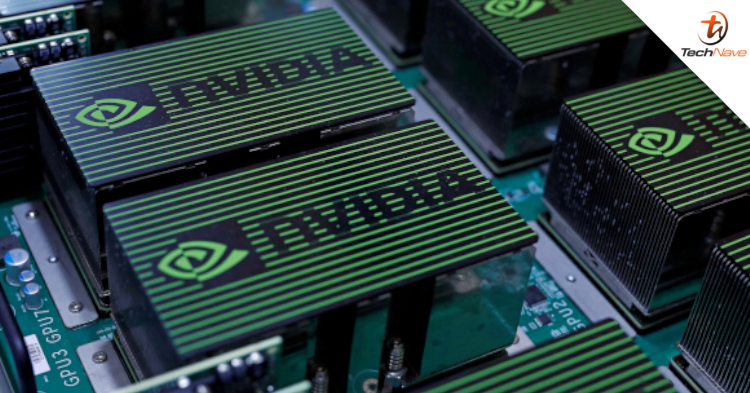
Nvidia and AMD have agreed to an unusual revenue-sharing arrangement with the U.S. government, committing 15 per cent of their income from AI chip sales to China as part of a deal to resume exports.
What we could expect
The agreement covers Nvidia’s H20 and AMD’s MI308 chips, both of which were previously affected by tightened export restrictions.
The arrangement comes after the U.S. Commerce Department began issuing export licences again, following an earlier halt in April. The 15 per cent payment is designed to balance national security concerns with commercial access to the Chinese market, ensuring both compliance with U.S. regulations and continued revenue streams for the companies.
China remains a major market for both firms. In the most recent fiscal year, Nvidia generated about USD17 billion (approximately RM78.8 billion) from China, accounting for around 13 per cent of its total revenue.
AMD earned roughly USD6.2 billion (around RM28.7 billion) from China, or about 24 per cent of its total sales. This means the revenue-sharing deal could amount to hundreds of millions of dollars every quarter for the U.S. Treasury.
Our thoughts
From a TechNave perspective, the move can be seen as a strategic compromise—allowing the companies to maintain access to a lucrative market while aligning with Washington’s export control policies.
It is a reminder that in the global chip industry, trade diplomacy can be just as critical as technological innovation.
Key impacts at a glance
- Covers Nvidia’s H20 and AMD’s MI308 AI chips
- Applies to all China-based sales of the covered chips
- Introduced to enable the resumption of export licences
- China remains a significant revenue contributor for both companies
- Highlights the balance between commercial goals and regulatory compliance
Would you agree to give up 15 per cent of your revenue just to keep selling in one of the world’s largest markets? For Nvidia and AMD, it appears the answer is yes. Stay tuned to TechNave.com for more updates.



COMMENTS