
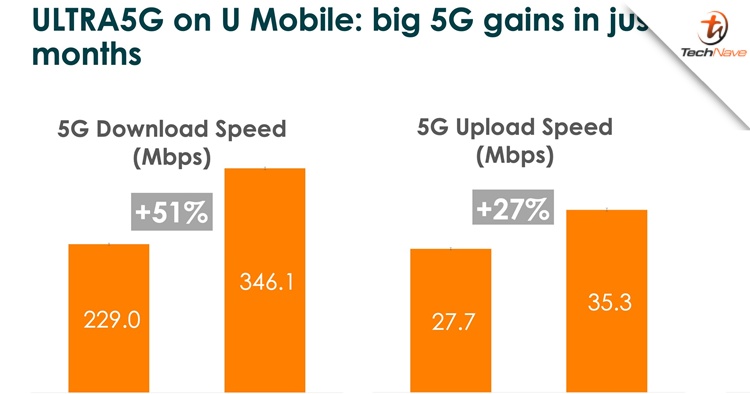
A new report by Opensignal highlights a key strength of U Mobile’s Ultra5G network, and it is not just about raw speed. Instead, the telco is gaining ground in one of the most challenging areas of mobile connectivity, indoor coverage.
Indoor Experience Becomes the New Battleground
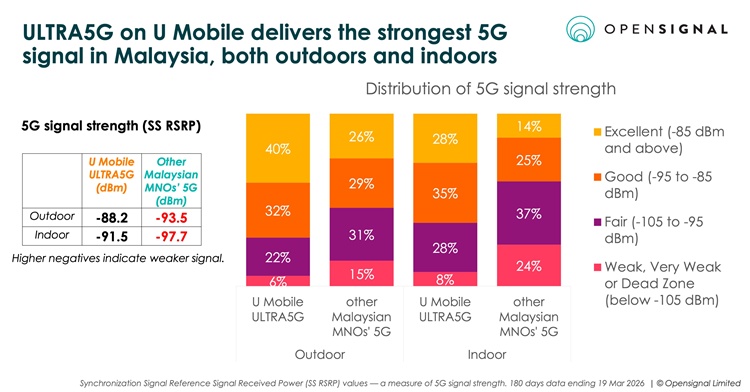
While outdoor 5G speeds often dominate headlines, Opensignal’s latest analysis shifts the focus indoors, where users spend most of their time. Buildings, walls, and dense infrastructure typically weaken signals, making indoor performance a critical differentiator between networks.
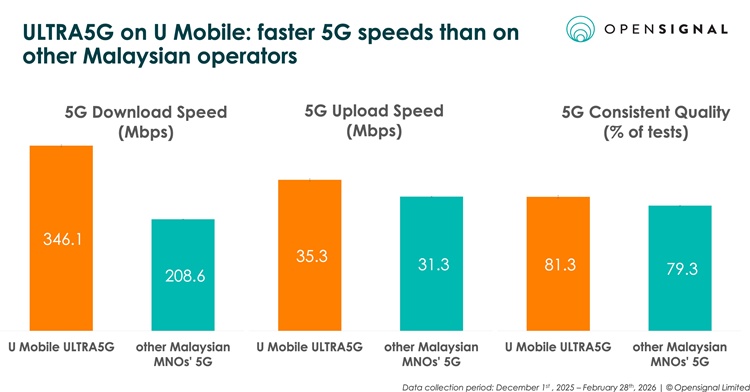
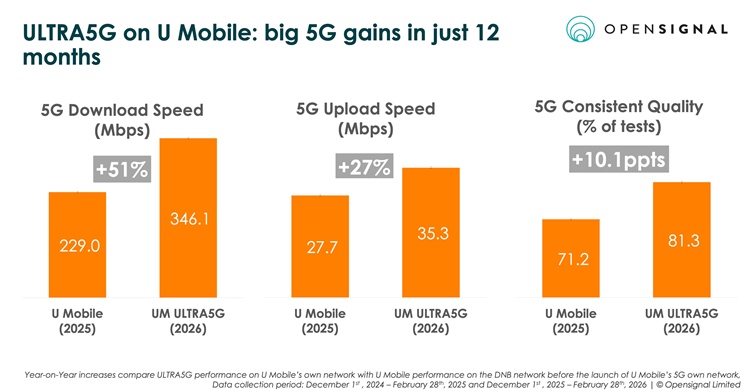
According to the report, U Mobile’s Ultra5G is showing strong results in these environments, suggesting its network strategy is increasingly aligned with real-world usage rather than just peak outdoor speeds. A major reason behind this performance is U Mobile’s aggressive rollout of in-building coverage systems.
The company has been deploying dedicated indoor 5G infrastructure across high-traffic locations such as airports, malls, and transport hubs, allowing users to experience consistent connectivity even in deep buildings. Unlike traditional outdoor towers that struggle to penetrate indoor spaces, these systems provide more stable and seamless coverage throughout entire facilities.
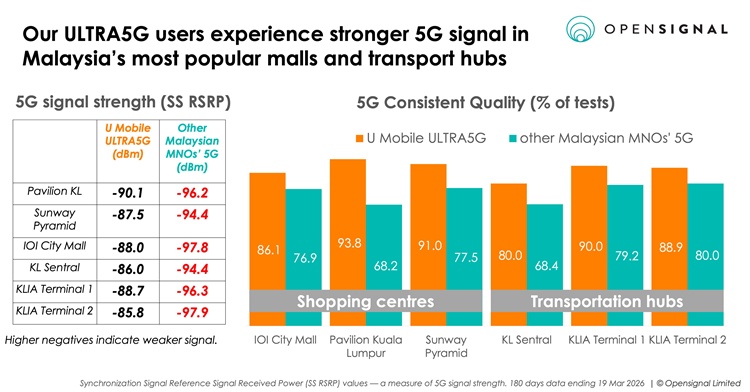
U Mobile’s Ultra5G network has been designed with indoor usage as a core focus from the start. The telco is targeting up to 80% population coverage by 2026, with a strong emphasis on both outdoor reach and indoor depth. This dual approach is increasingly important as more digital services, from streaming to cloud gaming and enterprise apps, rely on consistent high-speed connections regardless of location.
What This Means for Malaysian Users
For Malaysians, especially those in urban areas, this focus on indoor coverage could make a noticeable difference. Whether it is browsing in a shopping mall, working in an office, or navigating transport hubs, stronger indoor 5G means fewer dropouts and more consistent speeds.
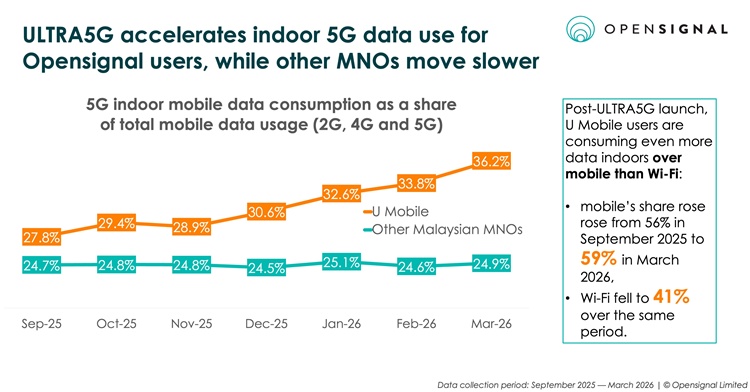
As competition between telcos intensifies, reports like this suggest the next phase of 5G in Malaysia will be less about coverage maps and more about delivering reliable performance where it actually matters most. You can read a more detailed report by Opensignal right over here. Stay tuned for more trending tech news at TechNave.com.




COMMENTS