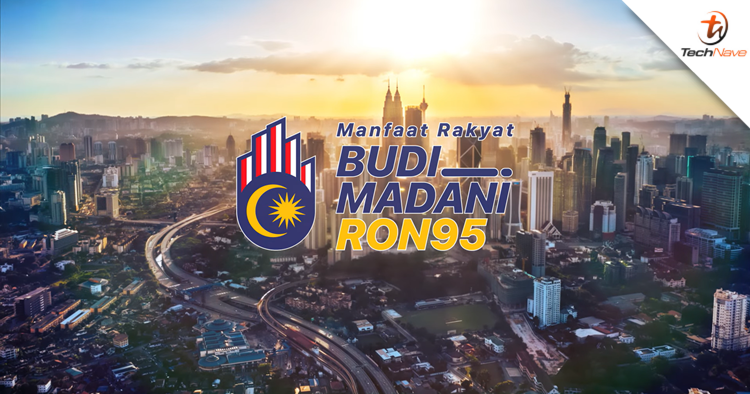
Ever since Budi Madani RON95 (BUDI95) was introduced on 30 September 2025, Malaysia’s government has reported significant early savings from its targeted fuel subsidy scheme. According to Prime Minister Datuk Seri Anwar Ibrahim, an estimated RM800 million has been saved since the programme was rolled out.
Redirecting Savings Back to the People
Prime Minister Anwar emphasised that the RM800 million saved isn’t simply left unspent, as every ringgit is being redirected into public-facing programmes. Funds are being channelled into initiatives like the Rahmah Cash Contribution (STR) and Rahmah Basic Contribution (SARA), as well as upgrades to clinics, hospitals, roads and other infrastructure across the country.
In addition, this targeting mechanism has significantly cut leakages that previously saw subsidies benefit over 3.5 million foreigners and enabled the smuggling of tens of thousands of litres of fuel. The leadership has stressed that targeted fuel subsidies had been debated for more than two decades, but previous administrations never implemented them, a political decision that the current government undertook with the aim of reducing waste and supporting Malaysians more effectively.
Early Takeaways From the Programme
Although BUDI95 is still in its early months, the savings milestone suggests that targeted support schemes can yield measurable fiscal benefits while preserving assistance for consumers. By tying fuel subsidies to verified eligibility, Malaysia’s approach aims to reduce inefficiencies and ensure that public funds deliver tangible community impact.
As the BUDI95 programme continues into 2026, policymakers and citizens alike will be watching how these savings evolve and how the redirected funds influence broader cost-of-living support and infrastructure development. Stay tuned for more trending tech news at TechNave.com.




COMMENTS