
Unless you have been hiding under a rock, you would have heard about the skyrocketing RAM prices. The gist of the story is - AI workloads are crazy high now, causing demand for DRAM to surge. RAM manufacturers see more profit in catering to the industry and have decided to cut the capacities of other types of RAM. Then boom! Prices go up everywhere.
Of course, there's more depth to the situation than that. But all the average consumer needs to know is that supply < demand = prices+++. However, there are some people who think that recent developments could help bring the end of the RAM shortage sooner than expected, and prices could return to normal. Below is an update of recent happenings.
Google TurboQuant
When it comes to any form of computing workloads, efficiency improvements can lead to faster performance, better results, and a reduction in compute resources. Let's say an AI server that can process 10 queries per minute gets an upgrade to 15 queries per minute. That's a 50% increase in performance, which could have come from faster hardware (GPU, RAM) or a software upgrade (algorithm).
The recent developments are in the latter category. Last month, Google unveiled TurboQuant as a new compression technology for AI workloads. According to Google, TurboQuant is a "compression method that achieves a high reduction in model size with zero accuracy loss, making it ideal for supporting both key-value (KV) cache compression and vector search". In practice, the new compression method can reduce key value memory size by at least 6 times.
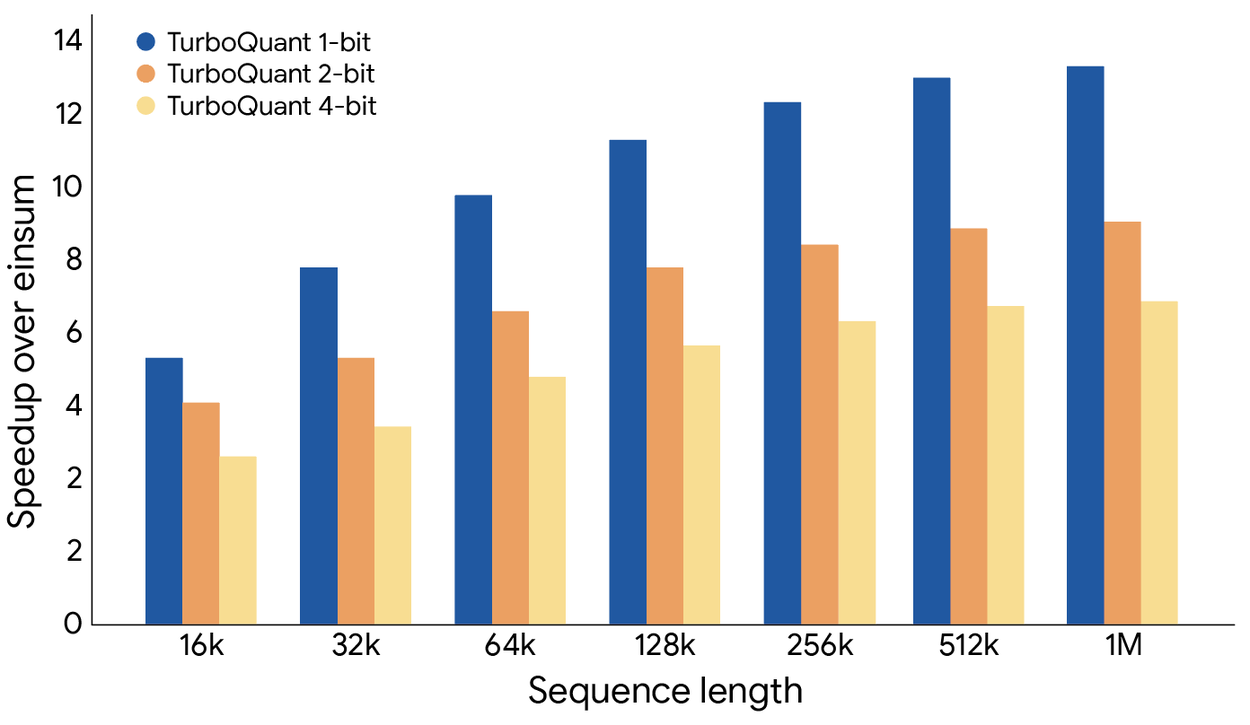
However, this only achieves a reduction in the KV cache memory size. Sure, it makes AI inferences more efficient and perhaps less expensive to run. But it doesn't reduce the model size or effectively reduce the DRAM and NAND flash demand. If anything, improved efficiency means AI companies will run more workloads using the same amount of resources. In fact, according to a Trendforce study (via TheRegister), TurboQuant is more likely to "spark demand for long-context applications that drive demand for more memory rather than curb it".
Nvidia NTC
Alright, but what if there are multiple areas of such efficiency upgrades? Recently, Nvidia also announced a new tech that could help with AI workloads. The Neural Texture Compression (NTC) uses small neural networks to unpack image textures. According to the company, it "allows on-demand, real-time decompression with random access similar to block texture compression on GPUs, enabling compression on disk and memory".
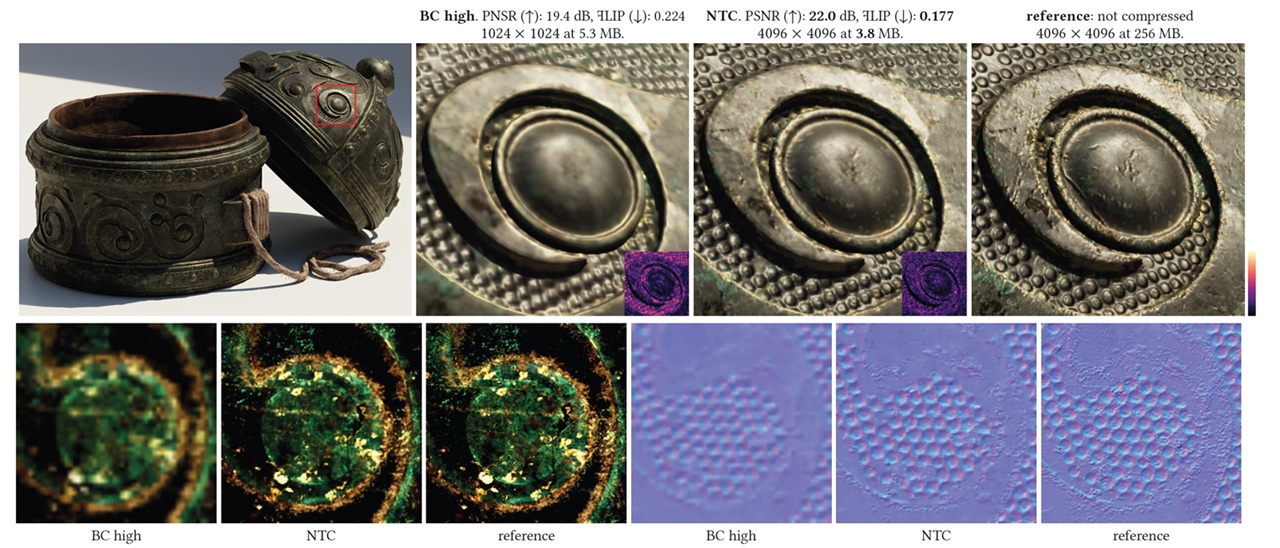
NTC delivers smaller image sizes while maintaining render accuracy
Essentially, it should drastically reduce VRAM usage. In Nvidia's example, it managed to reduce the VRAM size of the Tuscan Villa Scene from 6.5GB on standard block compression to 970MB using NTC. However, Nvidia didn't confirm if NTC could support other types of AI workloads. The tech could also be unique to high-end enterprise-class Nvidia GPUs, which aren't exactly cheap either.
So what happens?
Firstly, if you're hoping that these developments could help ease the RAM shortage in the short term, forget it. Although what Google and Nvidia have achieved sounds impressive, they're not enough to stop the tsunami of AI demand. Consumer RAM and GPUs will remain expensive, as will electronics like smartphones and laptop PCs. RAM manufacturers will also continue to make more enterprise DRAM and NAND flash because they're more profitable.
AI companies are working on making AI servers more efficient and cheaper to run. However, RAM prices are unlikely to go down anytime soon because demand is high. And unfortunately, until we reach the point where supply > demand, we probably won't see "normal" prices for years to come, and we definitely won't enjoy the the super low prices from 2024 again. However, there is one piece of good news for stock traders. Shares of the big three RAM manufacturers have seen significant growth in the last 6 months, so maybe it's a good time to invest?
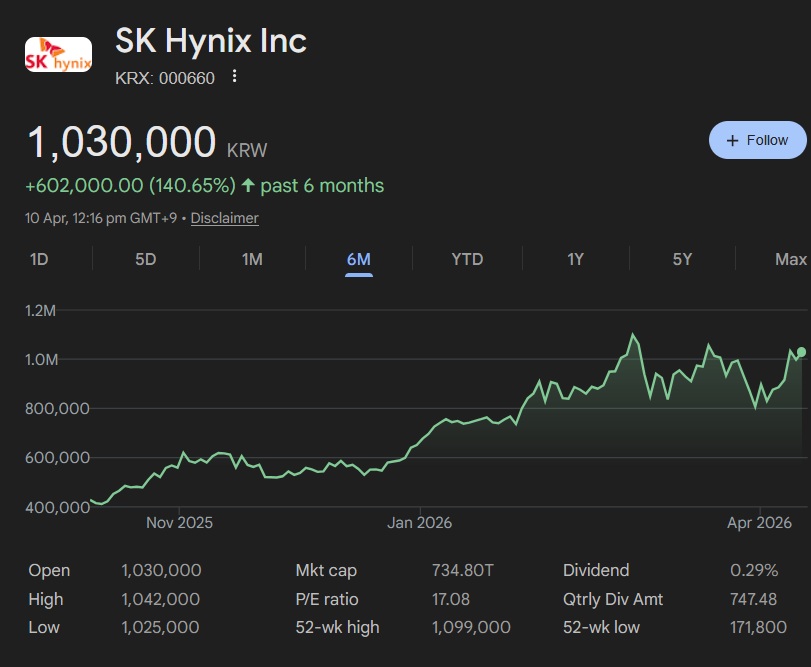
SK Hynix shares have gone up over 140% in the last 6 months, coinciding with the shortage and price hikes
Don't buy now unless you have to
Do you have a desperate need for a new stick of RAM, laptop, or smartphone? If you don't, we recommend that consumers avoid buying one for now. For those who need a new smartphone or laptop, consider getting an older model. Products launched this year are generally more expensive than those from before, making them poor value for little improvements. Below are some comparisons of DRAM components or popular consumer electronics categories.
- Desktop PC RAM - According to PCBuildAdvisor, the price of a 32GB G.Skill DDR4 memory kit increased by 380% from USD 50 in Q1 2025 to USD 240 in Q1 2026.
- Laptop RAM - The price of a 64GB (2x 32GB) DDR4 SO-DIMM increased by 277% from USD 117 in Q1 2025 to USD 442 in Q1 2026. Obviously, this directly affects the prices of laptops.
- GPUs - DropReference suggests that prices for new graphics cards could increase by up to 10%. However, GPUs will not be affected as severely as DRAMs.
- Smartphones - The 12GB RAM and 256GB storage Samsung Galaxy A36 5G and Samsung Galaxy A37 5G cost RM1699 and RM1999, which is a notable RM300 increase in the midrange smartphone category.
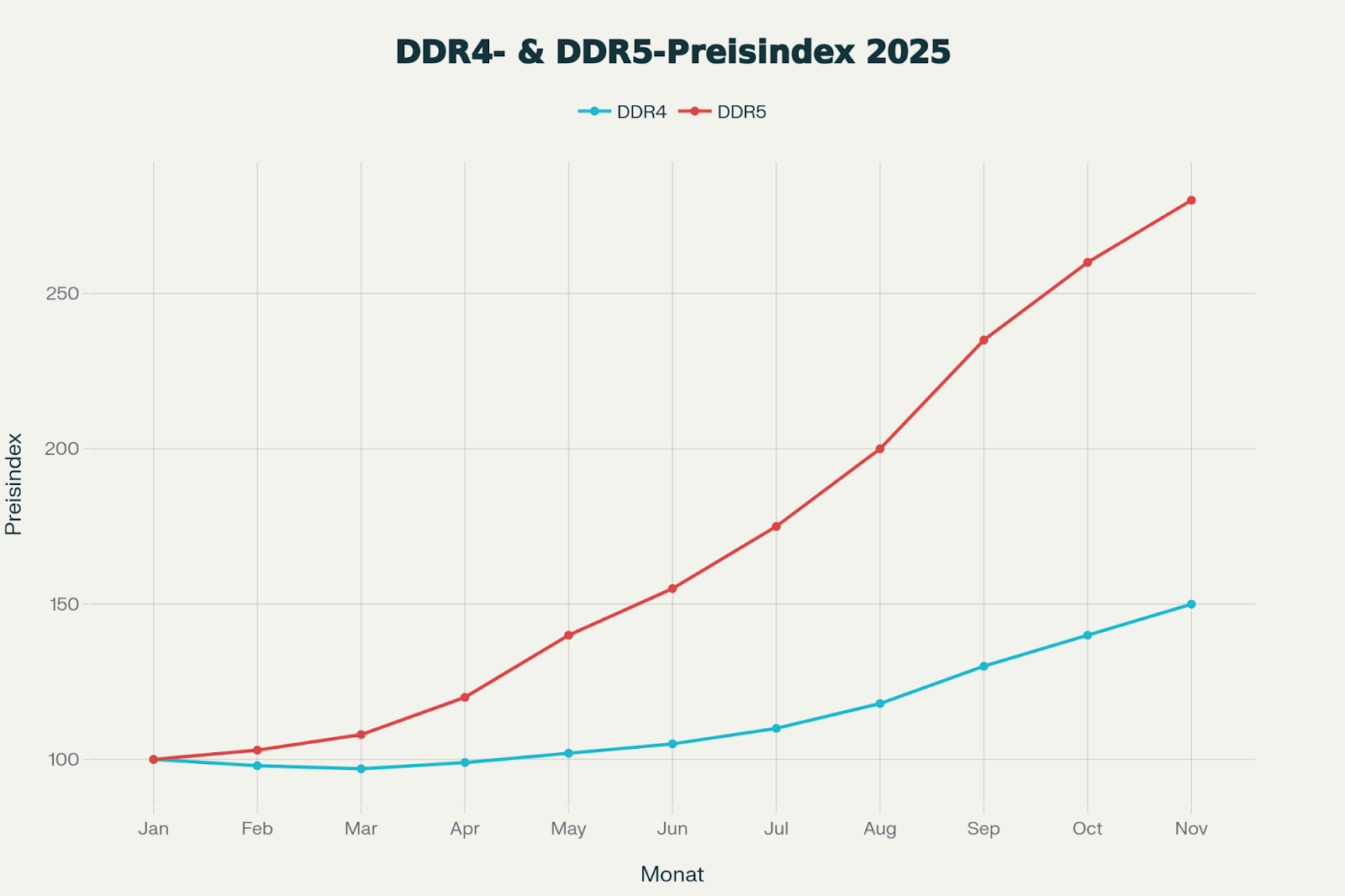
A chart (source: IPC2U) illustrating DDR4/DDR5 RAM prices increasing in 2025
But that's our take on the current RAM situation. What do you think could happen, and do you have any insider tips on the AI or RAM industry? Let us know in the comments below, and stay tuned to TechNave for more articles like this.



COMMENTS