
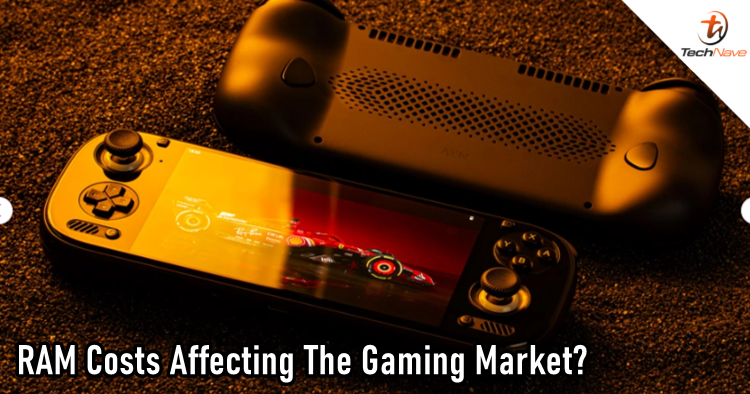
The rapid rise in memory chip prices is starting to shake up more than just smartphone and PC markets; it’s now affecting gaming handheld consoles as well. Manufacturers in this niche segment are beginning to feel the strain of “skyrocketing” RAM costs, a situation that has already led to shipment delays and configuration changes for upcoming handheld devices.
Odin 3 Ultra Shipment Delays Highlight Supply Chain Stress
One of the clearest examples comes from AYN, the company behind the highly anticipated Odin 3 Ultra gaming handheld. Originally slated for earlier delivery, the 24GB RAM + 1TB storage-configured unit has been pushed back to mid-January 2026, with AYN directly citing the sharp increase in RAM pricing and short-term memory supply crunch as the cause.
To address customer concerns, AYN is offering buyers a choice: they can either keep their Ultra preorder and wait for the new schedule, or switch to the Odin 3 Max (a slightly scaled-down variant featuring 16GB + 512GB), along with a refund of the price difference. For many users, this trade-off affects multitasking headroom and storage capacity more than raw performance, since both models share core hardware like Qualcomm’s Snapdragon 8 Elite chipset, a 6-inch 120Hz OLED display, active cooling, and an 8000 mAh battery.
The Ripple Through Consumer Hardware
The situation with Odin 3 is part of a broader global memory squeeze that is being driven by soaring demand for RAM from AI data centres and constrained production capacity, which has pushed up DRAM prices dramatically. Analysts and industry reports suggest that DRAM prices may have even doubled or more over recent months, with memory manufacturers prioritising lucrative enterprise customers at the expense of consumer-grade products.
This dynamic is forcing hardware brands across multiple categories to make tough choices, whether it’s delaying launches, trimming memory configurations, or raising prices to protect margins. In the gaming handheld sphere, this could slow innovation or push new devices into higher price tiers, potentially limiting accessibility for enthusiasts seeking high-performance portable gaming experiences.
What This Means for Gamers and the Industry
For consumers eyeing next-generation handheld gaming devices, the current RAM crunch may mean longer waits and fewer high-RAM configurations at launch. Smaller manufacturers particularly feel the heat, as they typically have less leverage in negotiating memory supplies compared with larger brands.
If RAM prices stay elevated through 2026, broader shifts in hardware design and pricing are likely, not just for gaming handhelds, but across mobile phones, tablets, laptops, and other memory-intensive devices. Counterpoint Research already forecast the decline in phone shipments for 2026, while both Xiaomi and HONOR have expressed their concern about rising prices in their devices next year.
Stay tuned for more trending tech news at TechNave.com.



COMMENTS