
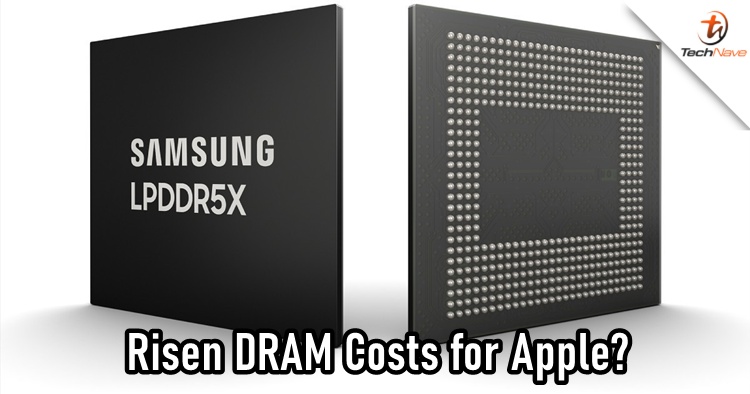
We have been talking about this for a while; memory costs have already risen, and the global memory chip market is facing steep price increases that are reverberating across the technology sector. This is prominent in the smartphone industry, where dynamic random-access memory (DRAM) is a critical component.
Is Apple in Trouble?
Samsung Electronics and SK Hynix are reportedly negotiating substantial price increases for LPDDR memory used in devices such as Apple’s iPhones, with Samsung pushing for around an 80% increase and SK Hynix near 100% for the first quarter of 2026. Apple historically leveraged its scale to secure favourable pricing on memory, but the current shortage and pricing trends have squeezed that advantage.
Sources suggest that tightened supply and rising demand, particularly from artificial-intelligence infrastructure, have given memory makers stronger pricing power in negotiations with major customers. This shift marks a notable change in bargaining dynamics, as even a company with Apple’s purchasing clout is unable to fully resist upstream price rises.
Memory Shortages Tied to AI Demand and Supply Realignment
Industry analysis suggests that the root cause of the ongoing memory price surge lies in how semiconductor supply is being allocated in 2026. Strong demand from artificial-intelligence workloads has shifted production capacity toward high-bandwidth memory and related chips, which command higher margins and are essential for AI data centres.
As suppliers prioritise these segments, the availability of traditional DRAM for consumer products like smartphones and PCs has tightened sharply, contributing to accelerating prices. Analysts expect DRAM prices overall to rise by more than 60% in early 2026, with some categories nearly doubling, further complicating supply negotiations for device makers across the board.
What the Price Pressure Could Mean for Apple and Consumers
For Apple, the increased cost of memory components such as LPDDR used in iPhones and other devices could translate to higher production costs and potential impacts on profit margins. Some reports suggest Apple may absorb part of these additional costs without immediately passing them onto consumers by adjusting pricing strategies or leveraging supply chain contracts.
If memory prices remain elevated throughout 2026 and into future product cycles, device makers may face difficult decisions around pricing, specifications, or margins. In Apple’s case, the ability to maintain stable device pricing will depend on how successfully it manages supplier relationships and cost structures in the face of broader industry memory inflation.
Broader Market Context and Industry Implications
The memory price surge is affecting not only Apple but also other smartphone and PC manufacturers, as well as consumer electronics companies more broadly. Industry watchers have noted that rising DRAM and NAND costs could even lead to higher average selling prices for new smartphones and PCs in 2026, while ultra-premium devices may see inflationary pressures that strain market demand.
The underlying shortage is expected to persist as AI-driven demand continues to absorb large shares of global memory production, making price stability elusive in the near future. For now, we will just have to wait and see. Stay tuned for more trending tech news at TechNave.com.



COMMENTS