
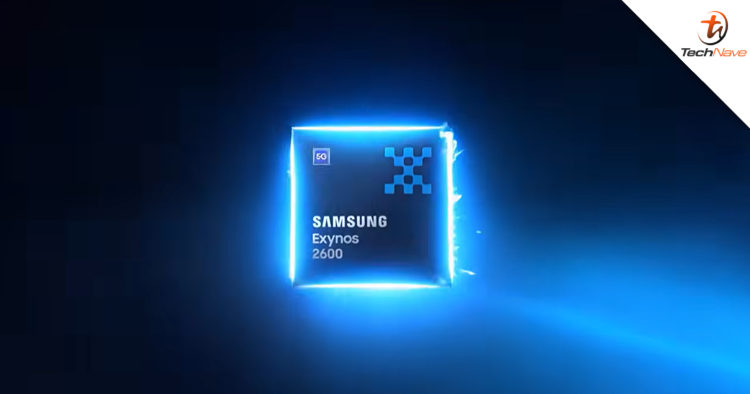
Today, Samsung officially confirmed that the Exynos 2600 is now in mass production. According to sources, the chip uses the cutting-edge 2 nm Gate-All-Around (GAA) process — the first time such a process is being commercialised for smartphone SoCs.
Architecture and Performance
The Exynos 2600 yields a roughly 5% boost in performance, an 8% increase in energy efficiency, and about a 5% reduction in chip size compared with its previous generation 3nm process. Moreover, it is built on a deca-core CPU arrangement with a 1 + 3 + 6 core cluster — one prime core, three performance cores, and six efficiency cores — fine-tuned to balance raw power and battery life.
Early benchmarks are impressive. In reference testing, the Exynos 2600 reportedly hit 4.20 GHz on its prime core, with three performance cores around 3.56 GHz, and the efficiency cores at roughly 2.76 GHz. Geekbench results published from engineering sample devices show a single-core score around 3455 and a multi-core score around 11621 — numbers that broadly match current top-tier chips such as Snapdragon 8 Elite Gen 5 and MediaTek Dimensity 9500.\
In addition to CPU gains, the Exynos 2600 pairs with an AMD-derived Xclipse-960 GPU (RDNA4-based), which — according to leaks — delivers a substantial graphical performance boost over prior Exynos GPUs, making it a serious contender for gaming, high-performance apps, and AI workloads.
The chip is also rumoured to support advanced image signal processing (ISP) capabilities — reportedly able to handle a single 320MP sensor or three 108 MP sensors simultaneously, along with 8K HDR10+ video at 60 fps or 4K at 120fps, plus a more efficient HDR engine and RAW-image processing.
Efficiency, Heat Management and Cost Efficiency
Beyond performance, the 2nm process and architectural improvements bring real-world usability benefits. Samsung’s own data suggests better battery life thanks to higher efficiency and a more compact chip design.
To address a recurring criticism of Exynos chips — thermal throttling — Samsung reportedly incorporates a “Heat Pass Block” design to better manage heat dissipation in the Exynos 2600, potentially reducing overheating under heavy load.
What This Means for Samsung Flagships (and the Smartphone Market)
With Exynos 2600 essentially confirmed for the upcoming Samsung Galaxy S26 and S26+ — and potentially even the S26 Ultra in certain markets — Samsung appears to be betting heavily on its in-house silicon to power its next-gen flagship lineup. If delivered as promised, Exynos 2600 could end the long-standing performance and efficiency gap between Exynos-powered and Snapdragon-powered Galaxy devices, giving consumers a more uniform flagship experience across regions.
However, because Samsung still uses a dual-sourcing approach (Exynos or Snapdragon, depending on region), real-world experiences may vary globally, which remains one of the key caveats for buyers paying close attention to silicon choice. Stay tuned for more trending tech news at TechNave.com.




COMMENTS