
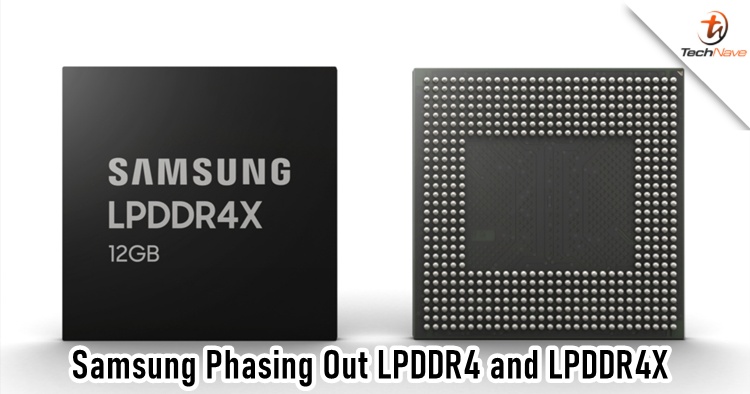
Samsung Electronics is preparing to phase out older low-power memory standards, with reports confirming that the company has stopped accepting new orders for LPDDR4 and LPDDR4X chips. With this, the company is moving forward with LPDDR5 once the predecessors run out.
Final Orders Completed Before End of Life
The company recently accepted its last batch of orders for LPDDR4 and LPDDR4X. From this point forward, Samsung will only fulfil existing orders already in its backlog before officially marking both products as end of life. Based on the timing of these final orders, production of LPDDR4 and LPDDR4X is expected to continue through 2026. However, manufacturing lines are likely to be repurposed starting in the first quarter of 2027.
LPDDR4 and LPDDR4X have been in mass production for around eight to ten years, making them mature technologies in the mobile memory space. These chips have been widely used in smartphones, tablets, and laptops due to their lower operating voltage compared to standard DRAM.
Industry observers note that the ordering window lasted longer than expected, largely driven by strong customer demand. While this allowed clients to secure sufficient inventory, it also delayed Samsung’s transition to newer production lines.
Device Makers Forced to Adjust Roadmaps
Even companies that have stockpiled memory will now need to revisit their long-term product strategies. Some chipsets still rely on LPDDR4 and LPDDR4X, including Samsung’s own application processor, the Exynos 1330, which supports both LPDDR4X and LPDDR5.
Once LPDDR4X inventory runs out, manufacturers are expected to shift fully to LPDDR5. This transition could result in performance differences between devices released at different times, even within the same model lineup.
The move to LPDDR5 offers a notable leap in speed. LPDDR5 delivers data rates of up to 6.4Gbps, compared to a maximum of 4.3Gbps for LPDDR4X. This represents an improvement of roughly 50%, enabling better performance for modern mobile workloads.
Industry Shift Gains Momentum
The discontinuation of LPDDR4 and LPDDR4X marks another step in the industry’s transition toward newer, faster memory technologies. As supply chains adjust and manufacturers realign their roadmaps, LPDDR5 and beyond are set to become the new baseline for mobile and automotive applications. Stay tuned for more trending tech news at TechNave.com.






COMMENTS