
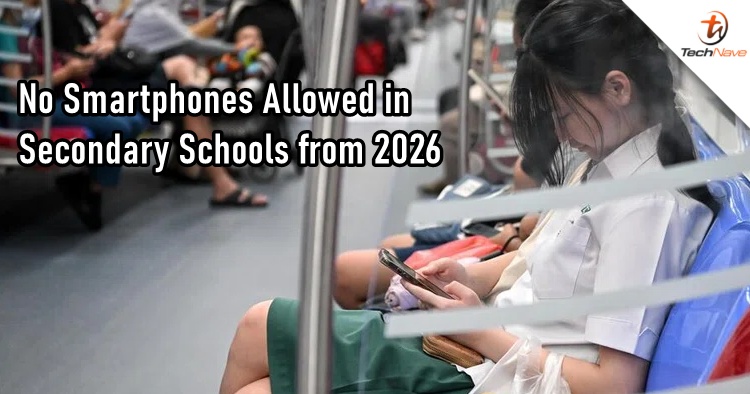
From January 2026, students in secondary schools across Singapore will no longer be allowed to use smartphones or smartwatches during any school hours. This includes times outside of lessons such as recess, breaks, and co-curricular activities (CCAs).
Under the new guidelines issued by the Ministry of Education (Singapore) (MOE), devices must be stored away in designated lockers or kept inside students’ bags while on school grounds.
A Focus on Digital Wellness
Previously, the device-use restriction applied only during lesson times. The updated rules mark a significant expansion: phone and smartwatch use will now be restricted for the entire school day, covering even supplementary, remedial and enrichment classes.
The change mirrors restrictions already in place for primary school students since January 2025. Additionally, the policy aims to address growing concerns around excessive screen time, distractions during school hours, and the impact of device use on social interaction and students’ well-being.
Personal Learning Devices Also Affected: Sleep Mode Pushed Earlier
In addition to the phone ban, MOE is introducing changes to school-issued personal learning devices (PLDs) such as laptops and tablets. From January, PLDs will be set to automatically enter “sleep mode” by 10:30 PM instead of the previous 11:00 PM. This is intended to encourage healthier device usage habits and promote better sleep for students.
Parents who previously opted for less restrictive settings will be encouraged to adopt the revised sleep schedule, aligning with the new screen-time guidelines.
MOE Emphasises Healthy Digital Habits and Balance
In announcing the changes, MOE stressed that the new rules are part of a broader effort to help students develop “healthy digital habits.” The expanded restrictions aim not only to reduce distraction during school hours but also to promote physical interaction, mental well-being, and more balanced screen usage among young people.
Minister of State for Education (Digital Development) Jasmin Lau highlighted that while technology has an important role in learning and daily life, finding balance is key, especially given how early children are exposed to screens.
What’s Next: School Implementation and Possible Exceptions
Schools will communicate the new guidelines to students and parents via handbooks, websites, parent briefings or start-of-year talks. The MOE notes that exceptions may still apply: in some circumstances where smartphones are necessary, schools may allow limited use, but such permissions will be handled on a case-by-case basis.
For older students in junior colleges or institutions like the Millennia Institute, MOE suggests that personal responsibility and self-management skills may permit more flexible phone use. However, even for them, use during lessons must still be explicitly approved by teachers.



COMMENTS