
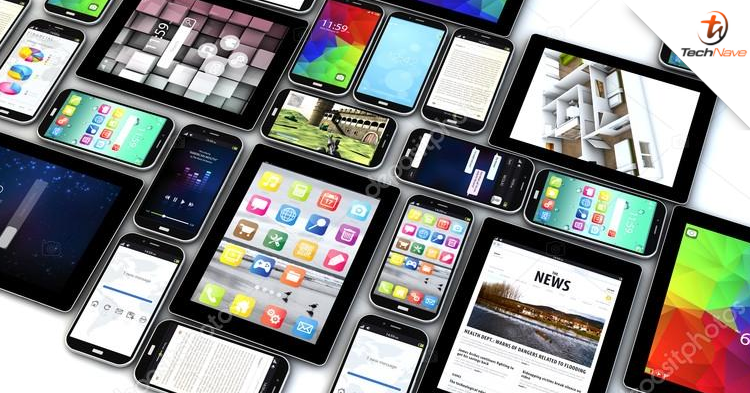
Starting from 20 June 2025, all new smartphones and slate tablets sold in the European Union must feature a new energy label rated from A to G.
This labelling requirement, which comes at no cost to consumers, is designed to provide transparent information on each device’s energy efficiency, durability, and repairability—helping users make more informed decisions while supporting environmental sustainability.
A new regulation for smart devices
As part of the European Commission’s Green Deal objectives, the new regulations introduce both ecodesign and energy labelling rules for mobile devices with screen sizes up to 17.4 inches. These regulations apply to all models released in the EU from 20 June 2025 onward.
Each device must now include a clear energy label showing key performance and sustainability metrics, such as:
- Energy consumption per full charge
- Battery lifespan and endurance
- Resistance to drops, dust, and water
- Ease of repair and availability of spare parts
A QR code linking to the official EPREL (European Product Database for Energy Labelling) for more detailed specs. The regulations also mandate that smartphones and tablets meet the following minimum requirements:
- Battery durability: Must retain at least 80% of original capacity after 800 full charging cycles
- System updates: Software and security updates must be provided for at least five years from the date of market entry
- Repair support: Manufacturers must ensure spare parts are available for seven years, deliverable within 5 to 10 working days
- Repair access: Professional repairers must be granted fair access to software, firmware, and diagnostic tools
These rules aim to reduce electronic waste and extend the usable life of devices. According to the EU, this could save consumers an estimated €20 billion and reduce energy usage by up to 2.2 terawatt-hours (TWh) annually by 2030.
What does it means for Malaysia
From a Malaysian consumer’s point of view, this is an interesting development. While the regulation is EU-specific, it sets a precedent for future global standards. Tech retailers in Malaysia that import EU-compliant phones or tablets might soon begin highlighting these durability and efficiency scores.
It also helps compare models not just by tech specs, but by long-term value. Expect these labels to influence future product marketing and support a shift toward longer-lasting electronics.
Specifications list
Here is a breakdown of the newly mandated features for smartphones and tablets sold in the EU:
- Battery life: At least 800 charging cycles while retaining ≥80% capacity
- Durability: Must pass drop resistance and water/dust ingress tests
- Spare parts: Key components must be available for 7 years
- Delivery time for parts: Within 5 to 10 working days
- Software support: Minimum of 5 years of updates post-release
- Repairability: Clear score included on label; professional access to firmware/tools is mandatory
Energy label (A–G) includes:
- Charging efficiency
- Battery life in hours per cycle
- Recharge cycle durability
- Ingress protection rating
- Drop resistance
- Repairability index
- QR code linking to EPREL product info
Would you consider a smartphone’s repairability and energy label before buying? Could Malaysia benefit from adopting a similar labelling system? Stay tuned to TechNave.com for more updates.
COMMENTS