
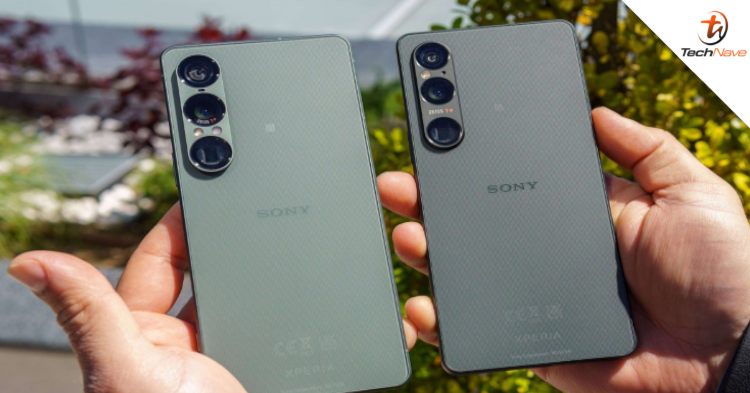
Sony has officially transitioned the production of its Xperia smartphones to third-party manufacturers. The upcoming Xperia 1 VII is expected to be the first flagship model built under this new arrangement, signaling a major shift in Sony’s mobile strategy.
Sony moves away from In-house smartphone production
Sony’s manufacturing plants in China and Thailand have recently removed all references to smartphone assembly, effectively confirming that Xperia smartphones are no longer being produced in-house.
This change suggests Sony is now relying on external partners to handle device manufacturing while retaining control over design, engineering, and software development.
Although Xperia fans may be concerned about the implications of this move, the transition is aimed at improving efficiency and cost-effectiveness without compromising quality. Sony will still manage key areas such as hardware design, camera systems, software experience, and post-launch support.
Why is Sony making this move?
Sony has seen its smartphone market share decline steadily, especially in regions like Europe where competition from other Android brands has intensified. By outsourcing production, Sony can focus its resources on innovation, software optimization, and enhancing user experience, rather than maintaining costly manufacturing operations.
This strategy is not new for Sony. In 2014, the company spun off its VAIO laptop business, shifting focus away from direct hardware production while still retaining a stake in design and user experience through licensing and partnerships. The same approach is now being applied to the Xperia smartphone division.
What to expect from the Xperia 1 VII
The Xperia 1 VII is likely to be the first device built entirely by an external manufacturer. While specific tech specs have yet to be confirmed, Sony is expected to maintain the signature features of the Xperia line, such as:
- A 4K OLED display
- Advanced manual camera controls
- Sony’s in-house audio processing
- A cinematic 21:9 aspect ratio
- Water and dust resistance
Software support will reportedly continue at the same level, including up to four years of Android OS updates and six years of security patches—comparable to other flagship offerings.
What do you think of Sony outsourcing its Xperia smartphone production? Will this impact your trust in the brand or your next smartphone purchase?
Stay tuned to TechNave.com for more updates.

COMMENTS